
8 September,2025
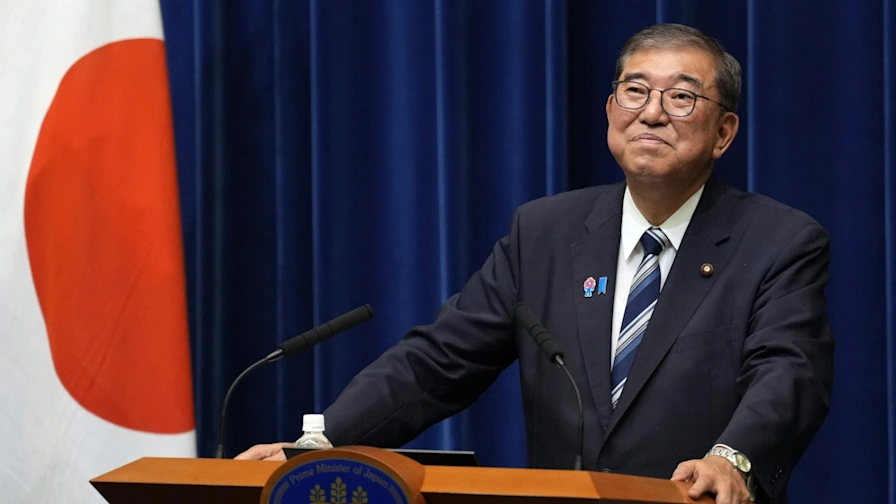
In a significant political development, Japanese Prime Minister Shigeru Ishiba announced his resignation on Sunday, September 7, 2025, following his governing party’s historic defeats in recent elections. Ishiba confirmed that he will continue to serve as the country’s leader until a successor is formally chosen.
The announcement comes ahead of a scheduled internal party vote, which was widely expected to challenge Ishiba’s leadership due to the party’s poor performance in local and national polls. Analysts have described the election outcomes as a major setback for Ishiba’s administration, reflecting voter dissatisfaction with the party’s policies and governance.
During a televised address, Ishiba expressed gratitude to his supporters and emphasized the importance of a smooth transition of leadership. “It is in the best interest of the nation and the party to allow new leadership to emerge,” he stated, signaling a willingness to step aside voluntarily rather than face a potentially divisive party vote.
Political observers note that Ishiba’s resignation marks a pivotal moment for Japan’s political landscape. The ruling party now faces the challenge of selecting a successor capable of restoring public confidence ahead of upcoming legislative sessions and international commitments.
Ishiba’s tenure has been characterized by ambitious economic initiatives and efforts to strengthen Japan’s diplomatic presence in the Asia-Pacific region. Despite these achievements, the recent electoral losses highlight growing public concerns over domestic policies, economic management, and social welfare issues.
The party is expected to convene in the coming weeks to vote for a new leader. Potential candidates include senior ministers and influential lawmakers who have expressed interest in steering the party through a period of political recalibration. The transition process will be closely watched by both domestic and international observers, as Japan’s stability and global partnerships remain a priority.
Shigeru Ishiba’s resignation underscores the volatile nature of contemporary Japanese politics and the significant impact of electoral outcomes on party leadership. As Japan prepares for a new chapter in its governance, the focus will shift to identifying a successor who can address public concerns and guide the nation through both domestic challenges and international engagements.

