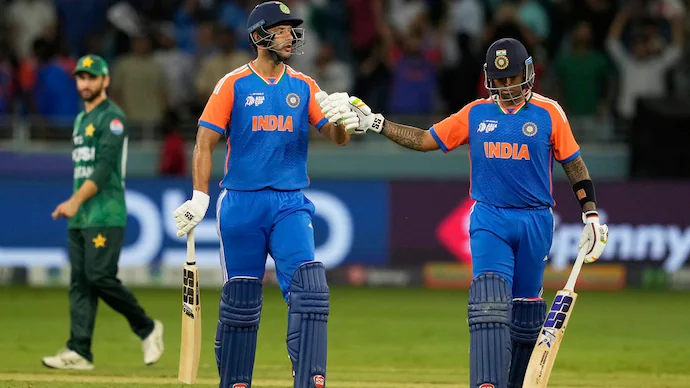
A long-standing post-match ritual has turned into a diplomatic flashpoint. The Pakistan Cricket Board (PCB) has filed a formal complaint with the International Cricket Council after India’s players did not join Pakistan’s team for customary handshakes following their Asia Cup match. The PCB wants officials involved in the decision removed and has called the incident “damaging to the spirit of cricket.”
How the Dispute Began
In the Dubai leg of the Asia Cup, India defeated Pakistan and left the field without the usual handshakes. Pakistani players reportedly waited at the boundary for the gesture, which has been part of international cricket etiquette for decades. The omission was quickly picked up by broadcasters and social media, igniting debate about sportsmanship between the two rivals.
PCB’s Grievance
According to PCB team manager Naveed Akram Cheema, the board has written to the ICC complaining that the refusal to shake hands was a breach of protocol and an affront to cricketing values. The letter also questions whether match referee Andy Pycroft or other officials had prior knowledge or gave permission for skipping the handshake. PCB has asked that any officials who encouraged the practice be replaced.
India’s Position
Indian captain Suryakumar Yadav explained afterwards that the move had been coordinated with the Board of Control for Cricket in India (BCCI) and reflected the national mood after a deadly terror attack in Pahalgam earlier in the year. He insisted the decision was not meant to disrespect Pakistan’s players but to express solidarity with victims back home.
Reactions Inside Pakistan
Pakistan’s captain Salman Agha and head coach Mike Hesson expressed disappointment, saying their squad had expected normal post-match courtesies. PCB officials have publicly described the action as “unsporting” and say it sets a poor example for younger cricketers.
The Wider Picture
Cricket observers note that handshakes have often been seen as a small but symbolic way of separating sport from politics. By making it a formal complaint, PCB has raised the stakes and drawn the ICC into what might otherwise have remained a bilateral controversy. The incident also places match referee Pycroft under scrutiny, since his role is to enforce playing conditions and post-match protocols.
What Happens Next
The ICC has yet to comment publicly on the complaint. If it takes up the issue, it could review the conduct of officials and teams, or issue new guidance on post-match rituals. Analysts say the decision could set a precedent for how symbolic gestures like handshakes are handled in politically sensitive fixtures.
Conclusion
What began as an omitted handshake after a cricket match has escalated into a formal dispute involving the sport’s world governing body. By lodging a written protest and demanding removals, the PCB has pushed the issue beyond etiquette into the realm of governance, testing how the ICC will balance sporting tradition with the political sensitivities that often surround India–Pakistan cricket.