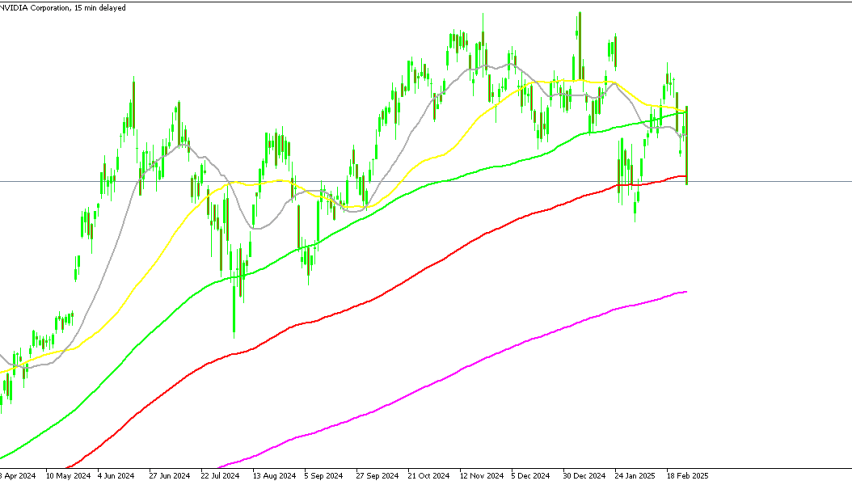
Global stock markets witnessed notable volatility this week, as investor sentiment swung between optimism and caution. Asian technology stocks surged following Nvidia’s landmark investment in OpenAI, while U.S. equities faced downward pressure amid concerns over new H-1B visa policies affecting skilled tech talent.
The technology sector led gains in Asian markets, with shares of semiconductor and AI-focused companies rallying after Nvidia announced a $100 billion investment in OpenAI. Analysts described the deal as a major endorsement of the growing artificial intelligence industry, driving enthusiasm among investors. Tokyo’s Nikkei 225 climbed 1.2%, while South Korea’s Kospi advanced 1.5%, largely fueled by strong performances in tech-heavy stocks.
Market analysts noted that the Nvidia-OpenAI partnership highlights the escalating global competition in AI development. “Investors are increasingly viewing AI as a long-term growth engine,” said Rajiv Mehta, a senior market strategist at Apex Capital. “This deal reinforces confidence in companies at the forefront of AI innovation, which explains the surge in Asian tech equities.”
In contrast, U.S. markets faced headwinds following news related to H-1B visa regulations. Reports suggest that stricter visa approval processes could slow the inflow of skilled technology workers into the United States, prompting concerns over labor shortages in the tech sector. The Nasdaq Composite fell 0.8%, while the S&P 500 declined 0.5% in early trading, reflecting investor caution.
Economists warn that the H-1B visa developments may have longer-term implications for global tech talent mobility. “The potential restrictions could impact U.S.-based technology firms reliant on foreign talent for critical AI and software projects,” explained Meera Singh, an economist at Global Insights. “Investors are factoring in these risks, leading to a temporary pullback in U.S. tech stocks.”
Meanwhile, European markets showed mixed performance, as geopolitical tensions and inflation concerns continued to influence trading. London’s FTSE 100 remained relatively flat, while Germany’s DAX dropped 0.4%. Analysts suggest that the divergent trends in global markets underline the sensitivity of investors to sector-specific news, particularly in technology and immigration policies.
Despite the volatility, market experts remain cautiously optimistic. Many believe that while regulatory developments like H-1B visa changes may pose short-term challenges, long-term growth prospects in AI and technology sectors remain strong. The Nvidia-OpenAI deal, in particular, is seen as a major catalyst for continued investment and innovation in artificial intelligence.
In conclusion, the global stock markets continue to navigate a complex environment where technological advancements and regulatory policies intersect. Asian tech stocks are buoyed by AI optimism, whereas U.S. equities reflect investor caution amid visa-related uncertainties. As these developments unfold, market participants are closely monitoring both corporate initiatives and government policies for indications of future trends.