
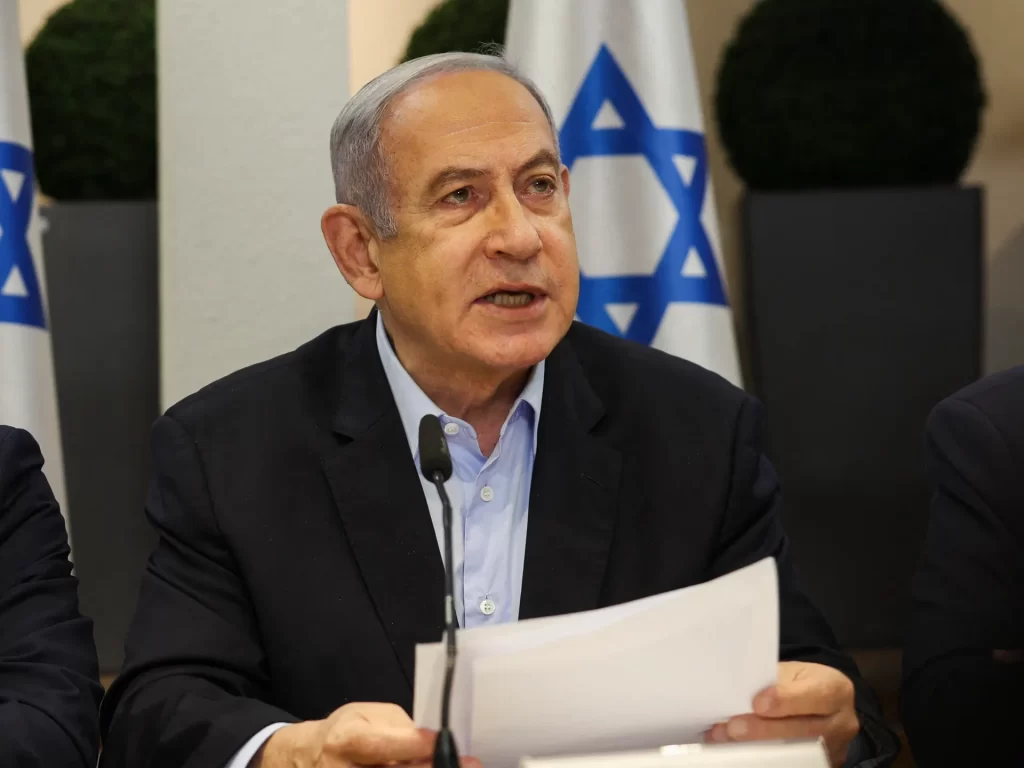
Israeli Prime Minister Benjamin Netanyahu delivered a firm and defiant address to the United Nations General Assembly on Thursday, defending Israel’s ongoing military campaign in Gaza and rejecting international calls for a ceasefire. His speech came as a harrowing report emerged detailing the severe abuse endured by freed Israeli hostages during captivity under Hamas.
Netanyahu Reaffirms Israel’s Gaza Policy
Speaking before the assembly, Netanyahu emphasized that Israel’s operations in Gaza were a necessary response to Hamas-led terrorism. He dismissed global pressure for a ceasefire, framing the campaign as essential for national security and the dismantling of Hamas infrastructure. Netanyahu also criticized recent international moves recognizing Palestinian statehood, describing them as encouraging Hamas actions.
“The safety of Israeli citizens and the liberation of hostages are our top priorities,” Netanyahu said. He reaffirmed Israel’s coordination with the United States, stating that discussions with President Donald Trump had reinforced the nation’s resolve to continue the campaign until its objectives are met.
Hostage Abuse Report Sparks Outcry
Simultaneously, Israel’s Health Ministry released a detailed report to the International Committee of the Red Cross revealing the conditions faced by 12 hostages recently freed from Hamas captivity. The report described psychological humiliation, medical neglect, and instances of sexual harassment.
One former hostage, Tal Shoham, recounted being held in a narrow underground tunnel for more than 500 days. “It was a three-foot-wide tomb — total isolation, no light, no fresh air,” Shoham said. These revelations have sparked international concern and condemnation of Hamas for its treatment of captives.
Controversy Over Netanyahu’s Speech Broadcast in Gaza
In a controversial move, Netanyahu ordered that his UN address be broadcast across Gaza. Critics, including families of hostages, denounced the act as psychological warfare, arguing that it targeted the broader Gazan population instead of addressing the plight of hostages directly.
International Reactions
The developments have intensified international scrutiny of Israel’s Gaza strategy. Palestinian Authority President Mahmoud Abbas condemned Israel’s military actions as a “war crime” and demanded an immediate ceasefire and humanitarian access to Gaza. Meanwhile, former U.S. President Donald Trump opposed any Israeli annexation plans for the West Bank, warning such moves could undermine peace efforts.
Conclusion
As the Gaza conflict deepens, the international community faces growing pressure to address both security and humanitarian concerns. The disturbing accounts from freed hostages add urgency to debates on accountability, peace negotiations, and the need for a sustainable resolution to the conflict.

