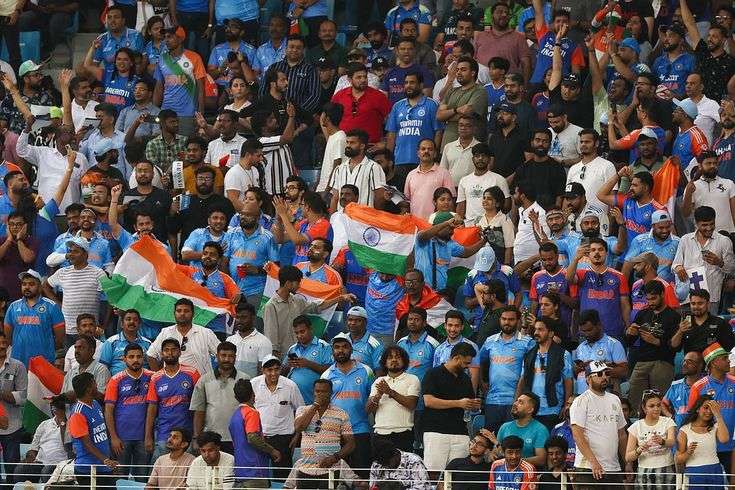
The highly anticipated Asia Cup 2025 final between India and Pakistan, scheduled for Sunday, has been overshadowed by rising tensions between the two nations. Both the Pakistan Cricket Board (PCB) and the Board of Control for Cricket in India (BCCI) have lodged formal complaints with the International Cricket Council (ICC), accusing each other’s players of misconduct.
The controversy centers on remarks made by Indian captain Suryakumar Yadav following India’s group-stage victory over Pakistan. Yadav dedicated the win to the victims of the Pahalgam terror attack and praised the Indian Armed Forces involved in Operation Sindoor. The PCB filed a complaint alleging that these comments were politically motivated and violated the ICC’s Code of Conduct. Yadav has denied wrongdoing, and the ICC is expected to deliver its decision later today.
In response, the BCCI lodged a complaint against Pakistani players Haris Rauf and Sahibzada Farhan, alleging provocative gestures during the Super Four match between the two sides. The ICC has summoned both players for a hearing scheduled prior to the final, with the outcome potentially affecting the match.
The tensions have been further inflamed by a viral video in which a Pakistani fan encouraged Haris Rauf to seek revenge against India before the final. While intended as a fan remark, the clip has sparked strong reactions, with many Indian supporters interpreting it as a provocation. Additionally, the pre-match atmosphere has been tense, with reports that Suryakumar Yadav again refused to shake hands with Pakistan’s captain during the toss before the Super Four clash, reflecting lingering hostilities after recent military conflict between the two countries.
As the Asia Cup 2025 final draws near, the contest between India and Pakistan is shaping up to be about far more than just cricket. The match is now a convergence of sport and diplomacy, with both sides under scrutiny for their actions on and off the field. The ICC’s upcoming decisions on these disputes are expected to set an important precedent for handling similar situations in international cricket.