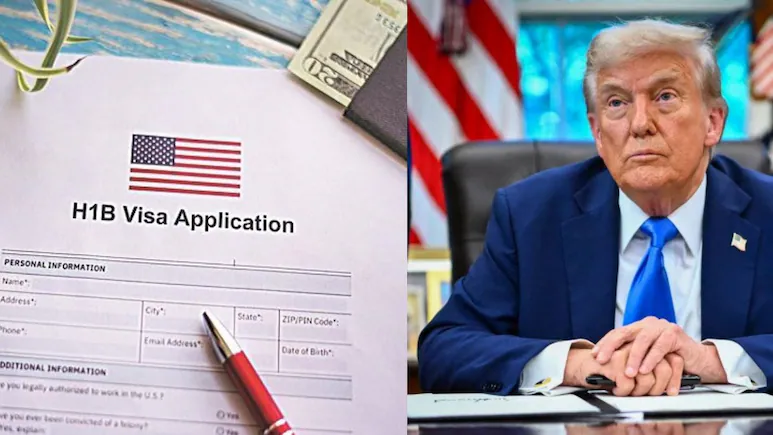
The Trump administration has announced a series of proposed changes to the H-1B visa program, building upon the recently implemented $100,000 annual fee for new applicants. These changes aim to tighten regulations on the employment of foreign workers in specialty occupations, with a particular focus on protecting U.S. jobs and ensuring compliance with visa requirements.
Key Proposed Changes:
- Wage-Based Selection System:
The administration is considering replacing the traditional lottery system for H-1B visa allocation with a wage-based selection process. This would prioritize higher-paying positions, potentially benefiting highly skilled professionals but making it more challenging for entry-level workers to qualify. - Revised Definition of “Specialty Occupation”:
The definition of what constitutes a “specialty occupation” may be narrowed, potentially excluding certain roles that were previously eligible for H-1B sponsorship. This could impact industries such as technology, healthcare, and education. - Increased Scrutiny of Third-Party Worksite Placements:
Companies that place H-1B workers at third-party worksites may face heightened scrutiny. This measure aims to prevent potential misuse of the visa program by ensuring that workers are employed in accordance with the terms of their visa. - Stricter Employer Compliance Requirements:
Employers may be subject to more stringent compliance requirements, including enhanced record-keeping and reporting obligations. Non-compliance could result in penalties or disqualification from sponsoring H-1B workers. - Limited Cap Exemptions:
The administration is considering reducing the number of exemptions from the annual H-1B visa cap. This could affect institutions such as universities and non-profit research organizations that previously benefited from cap exemptions.
Implications for Indian Professionals:
Indian nationals constitute a significant portion of H-1B visa holders, particularly in the technology sector. The proposed changes could have substantial implications for Indian professionals seeking employment in the United States. The increased financial burden due to the $100,000 fee, coupled with stricter eligibility criteria, may deter some employers from sponsoring H-1B workers. Additionally, the potential narrowing of the “specialty occupation” definition could exclude certain job roles that are prevalent among Indian professionals.
Reactions and Legal Challenges:
The proposed changes have sparked reactions from various stakeholders. Advocacy groups have expressed concerns, arguing that the new regulations could discriminate against foreign workers and undermine the contributions of international talent to the U.S. economy. Legal challenges to the $100,000 fee and other aspects of the proposed changes are anticipated.
Conclusion:
The Trump administration’s proposed changes to the H-1B visa program represent a significant shift in U.S. immigration policy, with a clear emphasis on protecting domestic employment and tightening oversight of foreign worker programs. While these measures aim to address concerns over job displacement and visa misuse, they also introduce new challenges for employers and foreign professionals. As the regulatory process unfolds, stakeholders will need to stay informed and prepared to navigate the evolving landscape of U.S. immigration policy.