Introduction
In an era dominated by diet fads and conflicting nutritional guidance, the question looms: Are low‑fat foods really helping you lose weight? As consumers increasingly reach for “low‑fat,” “fat‑free,” and “light” products, nutrition experts warn that such labels do not equate to guaranteed weight loss. Instead, the effectiveness of low‑fat foods depends on multiple factors, including overall calorie balance, macronutrient composition, food processing, and individual metabolism.
Trending Keywords & SEO Focus
For optimal visibility, key terms such as low fat foods, weight loss, healthy fats, diet myths, nutrition experts, calorie deficit, and full‑fat vs low‑fat debate are emphasized throughout this article.
The Appeal of Low‑Fat Foods
Historically, low‑fat diets gained popularity as heart health research began linking saturated fat intake to cardiovascular disease. In response, food manufacturers produced a wave of low‑fat and fat‑free alternatives, from yogurt to salad dressings. The assumption: reducing fat intake would naturally reduce calorie intake and facilitate weight loss.
Expert Insights & Contrarian Views
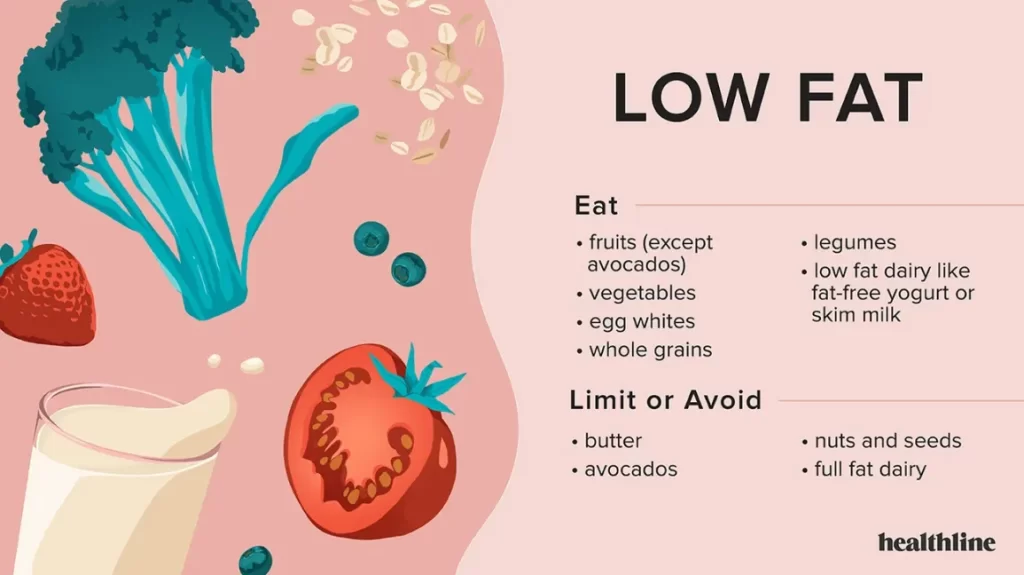
However, recent expert analyses caution against oversimplifying the role of fat in diets. Opting for lean cuts, low‑fat dairy, and eliminating trans fats remains sensible, but substituting fat with refined carbohydrates can be counterproductive.
A critical critique comes from nutritionists who argue that many low‑fat products compensate by adding sugars or starches, leading to calorie-dense and glycemic-heavy formulations. Studies highlight that the tradeoff of fat for carbohydrate often results in elevated triglycerides and reduced satiety, undermining weight loss efforts.
Scientific research suggests more nuance: a review of optimal diet strategies observed that low saturated fat and high fiber diets show promise in weight management—but success hinges on macronutrient balance, not fat elimination alone.
Low‑Fat vs. Low‑Carb: What the Evidence Says
Comparative studies between low‑fat and low‑carbohydrate diets reveal intriguing patterns. In many short-term trials, low‑carb approaches—where fat intake is allowed—often deliver greater weight loss and reductions in visceral fat than low‑fat diets.
Yet, experts caution against painting a one-size-fits-all picture. Some individuals thrive on higher-fat, lower-carb plans (e.g., ketogenic diets), while others respond better to moderate-fat, balanced macros.
Risks & Side Effects of Strict Low‑Fat Plans
Critics also draw attention to potential downsides of extremely low‑fat dietary patterns. For instance, more extreme fat restriction has been linked with decreases in total and free testosterone in men.
Additionally, very low-fat or fat-free marketed products may be ultra-processed, offering less satiety and more hidden sugars. This processing factor can magnify cravings and derail calorie control.
Best Practices for Effective Weight Loss
Experts agree: the calorie deficit remains the foundation of weight loss. Whether one chooses low‑fat, moderate‑fat, or higher-fat approaches, consistency and sustainability are key. Diets that emphasize whole, minimally processed foods, adequate protein, fiber-rich carbohydrates, and healthy fats (such as avocados, nuts, and olive oil) tend to be more effective in the long term.
Further, paying attention to food quality, portion control, and metabolic response matters more than any single diet label. Refraining from ultra-processed “low-fat” items and focusing on natural foods enhances both weight management and overall health.
Conclusion
Low‑fat foods are not a universal panacea for weight loss. While reducing saturated fat can offer cardiovascular benefits, replacing fat with refined carbohydrates or excessive sugars often undercuts the goal of fat reduction. Experts suggest that balance, sustainability, and whole-food choices carry more weight than rigid adherence to “low-fat” labels. In the end, cultivating a calorie‑controlled diet, rich in protein, fiber, and healthy fats, aligned with individual preferences and physiology, remains the more credible path to lasting weight loss.