
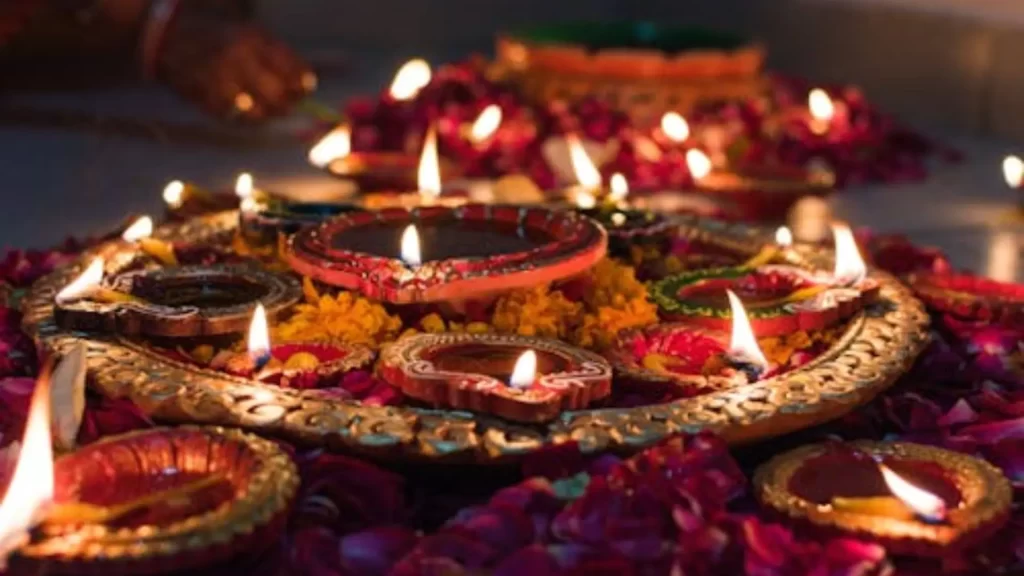
Diwali, widely known as the Festival of Lights, is one of India’s most celebrated festivals. Spanning five days, each day carries its own cultural, religious, and mythological significance. In 2025, Diwali falls between October 18 and October 22, with each day marked by distinct traditions and celebrations.
Day 1: Dhanteras – Inviting Wealth and Well-being
The festival begins with Dhanteras, also called Dhantrayodashi, on October 18. This day is dedicated to Lord Dhanvantari, the deity of health, and Goddess Lakshmi, the goddess of prosperity. Devotees clean and decorate their homes, buy precious metals or new utensils, and light lamps to welcome prosperity. The lighting of diyas symbolizes the dispelling of darkness and the arrival of good fortune.
Day 2: Naraka Chaturdashi (Choti Diwali) – Triumph of Good Over Evil
The second day, Naraka Chaturdashi or Choti Diwali, falls on October 19. It commemorates Lord Krishna’s victory over the demon Narakasura, symbolizing the victory of righteousness over evil. Early morning rituals include sacred baths and wearing new clothes, while homes are decorated with lights and rangoli patterns. In several regions, fireworks are also part of the celebration.
Day 3: Lakshmi Puja – Main Day of Diwali
The most significant day, Lakshmi Puja, is celebrated on October 20. Families worship Goddess Lakshmi to seek wealth and prosperity. Elaborate rituals are performed in the evening, accompanied by lighting diyas and bursting firecrackers. The day emphasizes devotion, family gatherings, and invoking blessings for financial and personal well-being.
Day 4: Govardhan Puja – Honoring Lord Krishna
Govardhan Puja, also called Annakut, is observed on October 21. This day celebrates the legend of Lord Krishna lifting Mount Govardhan to protect villagers from heavy rains. Devotees prepare an array of 56 different dishes, known as Chappan Bhog, and perform rituals to honor the deity. The puja reinforces values of devotion, protection, and gratitude.
Day 5: Bhai Dooj – Celebrating Sibling Bonds
The festival concludes on October 22 with Bhai Dooj, a day celebrating the bond between brothers and sisters. Sisters perform rituals, apply tilak, and offer sweets, while brothers give gifts and pledge to protect their sisters. The day highlights familial love, care, and mutual respect.
Regional Differences in Celebration
Diwali traditions vary across India. In Eastern India, households leave doors open to invite Goddess Lakshmi. In Maharashtra, Karnataka, and Goa, Naraka Chaturdashi involves oil baths and fireworks. In Uttar Pradesh, Govardhan Puja features Chappan Bhog offerings and special prayers to Lord Krishna. These regional practices reflect the diverse ways in which Diwali is celebrated across the country.
Conclusion
The five days of Diwali offer a combination of spiritual, cultural, and familial experiences. From welcoming prosperity on Dhanteras to celebrating sibling relationships on Bhai Dooj, each day adds a unique aspect to the festival. In 2025, these traditions continue to strengthen bonds and bring joy to homes across India.

