
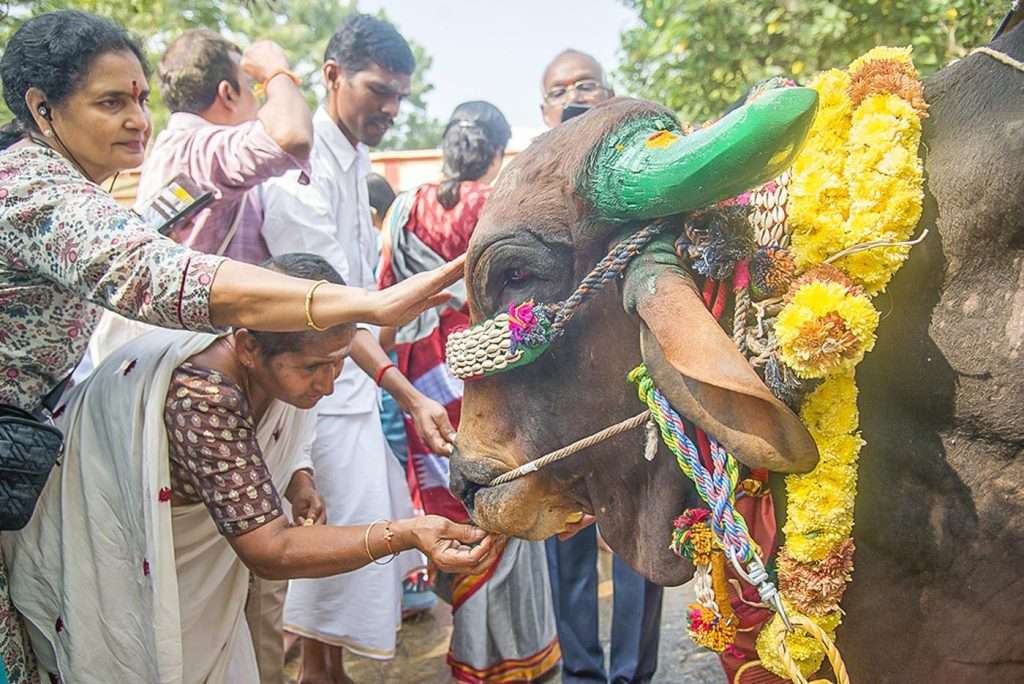
Vasubaras, also known as Govatsa Dwadashi, is a significant Hindu festival celebrated across Maharashtra, Gujarat, and parts of North India. Falling this year on October 17, 2025, the festival marks the beginning of the Diwali celebrations and holds deep cultural and religious significance. Central to Vasubaras is the worship of the cow, revered in Hinduism as a symbol of unconditional nurturing energy and divine motherhood.
The term “Vasubaras” is derived from the Sanskrit words ‘Vasu’, meaning wealth or prosperity, and ‘Baras’, denoting the twelfth day. Traditionally, this day is dedicated to honoring cows and calves, acknowledging their vital role in sustaining human life. Hindu scriptures describe cows as symbols of abundance, health, happiness, and good fortune, linking their nurturing nature to the qualities of motherhood and divine care.
In different regions, the festival is observed with varied rituals, yet the central theme remains the same: gratitude toward cows for their sustenance and generosity. Devotees bathe cows and calves, adorn them with clothes, flower garlands, and apply vermilion or turmeric on their foreheads. In some areas, symbolic representations of cows are created using mud and decorated as part of the celebrations. Devotional aartis are performed, and offerings such as wheat products, gram, and mung bean sprouts are given to the cows. These practices are believed to invoke prosperity, happiness, and fulfillment of wishes for the family.
Vasubaras is also associated with Nandini Vrat, observed primarily by women. During this fast, they pray for the well-being and prosperity of their family while honoring the nurturing energy represented by cows. The festival beautifully emphasizes the spiritual and practical significance of cows in Indian society, blending devotion with social consciousness, as caring for cows reflects respect for life and nature.
The celebration of Vasubaras thus serves a dual purpose: it reinforces traditional religious values and highlights the symbolic essence of motherhood and nurturing energy in Hindu philosophy. In a broader sense, the festival reminds devotees of the interconnectedness between humans, animals, and the divine, encouraging compassion, care, and gratitude in daily life.
As Diwali approaches, Vasubaras sets the tone for a period of spiritual reflection and familial bonding, reminding communities to honor both material and spiritual abundance. By venerating the cow, Hindus pay homage not only to a sacred animal but also to the universal principle of motherhood and unconditional care, a core value that continues to resonate across generations.

