
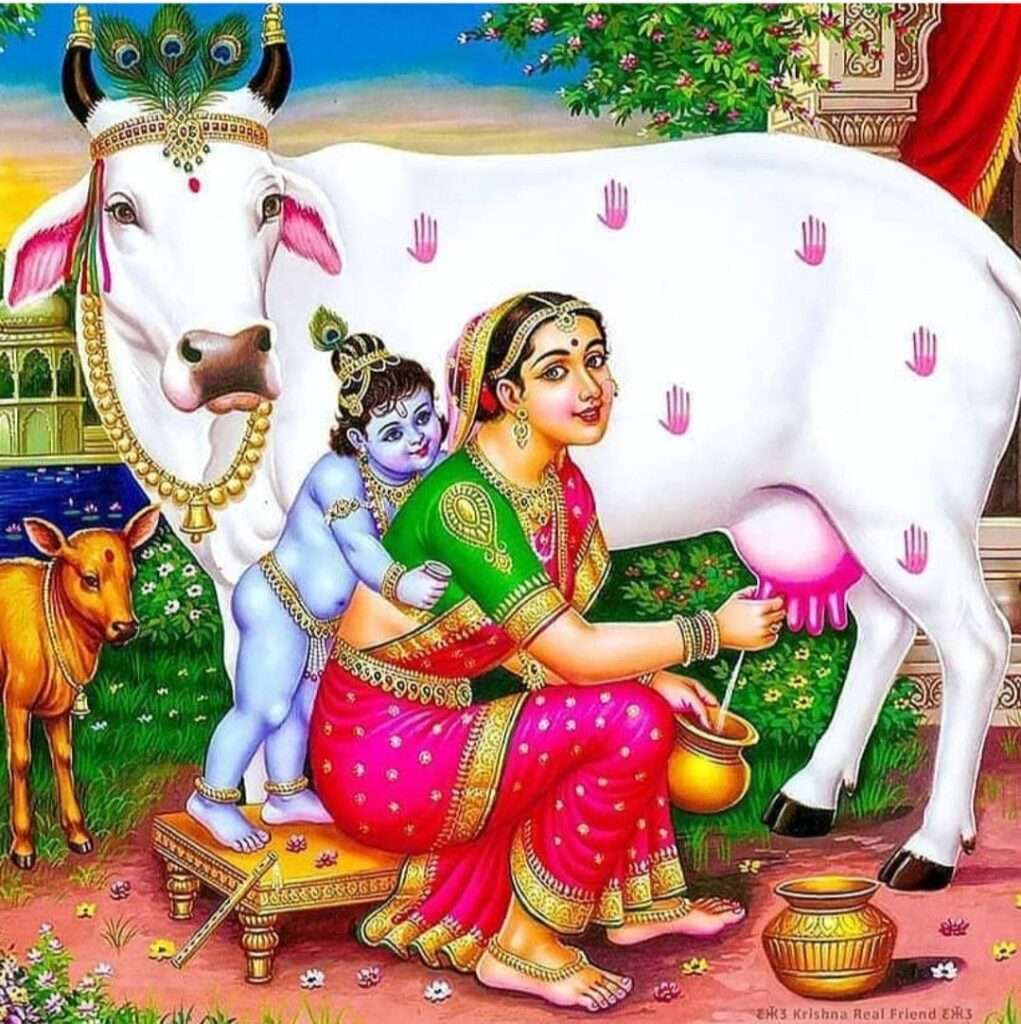
As urban India continues to evolve amid rapid modernization, traditional festivals are finding renewed relevance by bridging culture with sustainability. Vasubaras, also known as Govatsa Dwadashi, celebrated primarily in Maharashtra and parts of Gujarat, is one such festival that emphasizes eco-spirituality, indigenous cow protection, and environmentally conscious practices. This year, the festival has drawn attention for its role in reconnecting urban communities with sacred ecology and sustainable living.
Observed on the twelfth day of the Krishna Paksha in the month of Kartik, Vasubaras marks the beginning of Diwali festivities. The festival is dedicated to honoring cows and their calves, regarded in Hindu culture as symbols of nourishment, prosperity, and maternal care. In urban centers like Pune, Mumbai, and Ahmedabad, Vasubaras has evolved beyond ritual observance into a celebration that integrates eco-friendly practices, including the use of natural dyes for decorations, minimizing plastic consumption, and offering organic items during prayers.
Experts say this shift reflects a growing awareness among city dwellers about the importance of reconnecting with nature and preserving sacred ecological traditions. Community initiatives, such as cow sanctuaries and workshops on organic farming, are gaining popularity, allowing urban participants to engage with sustainability while honoring cultural heritage. These practices help strengthen the bond between humans and the natural world, aligning spiritual values with environmental responsibility.
A central focus of Vasubaras is the protection and reverence of indigenous cow breeds. Unlike commercial dairy cows, these native breeds are valued for their adaptability, resilience, and essential role in sustaining rural ecosystems. Organizations dedicated to cow protection emphasize the conservation of these breeds, highlighting their cultural, ecological, and agricultural significance. Urban celebrations now often include educational sessions on indigenous cattle, aiming to inform city residents about their importance and foster a collective commitment to biodiversity preservation.
Sustainability is increasingly integrated into modern festival practices. Urban communities celebrating Vasubaras are adopting biodegradable materials for decorations, reducing firecracker usage, and prioritizing locally sourced, organic foods. These approaches not only minimize environmental impact but also resonate with the festival’s spiritual essence, which emphasizes purity, gratitude, and harmony with nature. Additionally, workshops on sustainable living and traditional ecological knowledge are becoming part of the festival’s programming, equipping participants with practical tools to live in environmentally conscious ways.
Vasubaras 2025 illustrates how traditional festivals can serve as platforms for promoting eco-consciousness in modern society. By intertwining spiritual values with ecological awareness, urban India is rediscovering the significance of sacred ecology and sustainable practices. The festival stands as a reminder that cultural heritage and environmental stewardship are not mutually exclusive but can coexist, creating a path toward a more harmonious and sustainable future.
In essence, Vasubaras is more than a religious observance—it is a call for urban communities to embrace eco-spirituality, safeguard indigenous species, and celebrate traditions in a way that honors both culture and nature.

