
The India Meteorological Department (IMD) officially announced on October 16, 2025, that the southwest monsoon has completely withdrawn from the entire country, marking a one-day delay from the normal withdrawal date of October 15. The declaration signifies the end of the four-month-long rainy season and the onset of the northeast monsoon over southern India.
According to the IMD, this year’s monsoon withdrawal was slightly delayed due to the persistence of residual moisture and dynamic weather systems over parts of southern India. The formal retreat of the southwest monsoon usually occurs around October 15, but occasional variations are not uncommon. Meteorologists noted that even though the monsoon has officially ended, isolated post-monsoon showers may continue in a few regions due to active low-pressure systems and cyclonic circulations over the Bay of Bengal.
The IMD further indicated that the northeast monsoon has now commenced over Tamil Nadu, coastal Andhra Pradesh, Rayalaseema, south interior Karnataka, Kerala, and Puducherry. This phase typically brings significant rainfall to southern peninsular India between October and December, playing a vital role in replenishing water reservoirs and supporting agricultural activities in these regions. Forecast models suggest that the northeast monsoon this year could be influenced by the possible development of La Niña conditions, which are likely to enhance rainfall and lead to cooler temperatures in several parts of the country.
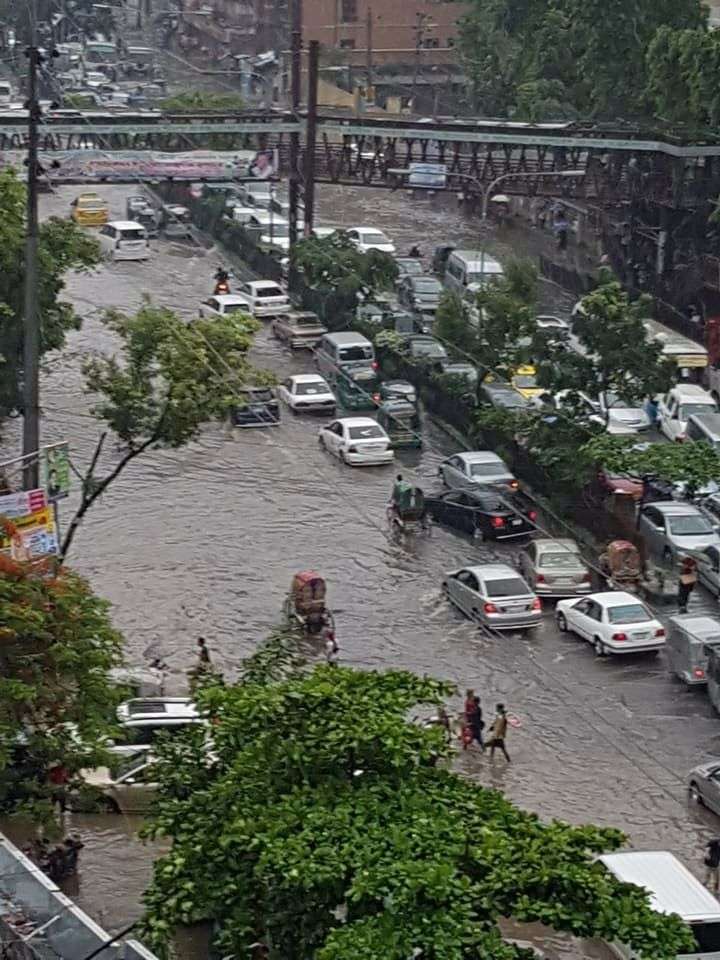
During the June to September southwest monsoon season, India recorded a cumulative rainfall of 937.2 mm—around 8 percent above the long-term average—indicating a surplus year overall. However, rainfall distribution was uneven, with eastern and northeastern regions receiving below-normal rainfall, while central and southern parts experienced excess precipitation. The IMD observed that despite the overall positive rainfall statistics, localized flooding and delayed sowing in some states highlighted the variability of the monsoon’s impact across regions.
With the withdrawal of the southwest monsoon, easterly and northeasterly wind patterns are now beginning to dominate southern India, gradually bringing down night temperatures across the central and peninsular zones. Weather agencies also noted that parts of Konkan, Goa, and Madhya Maharashtra may witness light rainfall and thunderstorms for a few more days due to remaining atmospheric moisture and cyclonic activity over adjacent seas.
The IMD’s confirmation of the complete withdrawal of the southwest monsoon on October 16 marks the official end of India’s principal rainy season. The focus now shifts to the northeast monsoon, which will determine rainfall patterns and water availability across southern India in the coming months. With La Niña conditions expected to strengthen, meteorologists anticipate an active monsoon phase in the south, making this transition period crucial for agricultural planning, water resource management, and disaster preparedness across the region.

