
The Indian government has formally initiated the process to include the four-day festival of Chhath Puja, also known as Chhath Mahaparva, on the list of the UNESCO Representative List of the Intangible Cultural Heritage of Humanity. The move underscores the government’s ambition to promote and preserve one of India’s oldest solar-worship traditions on the global stage.
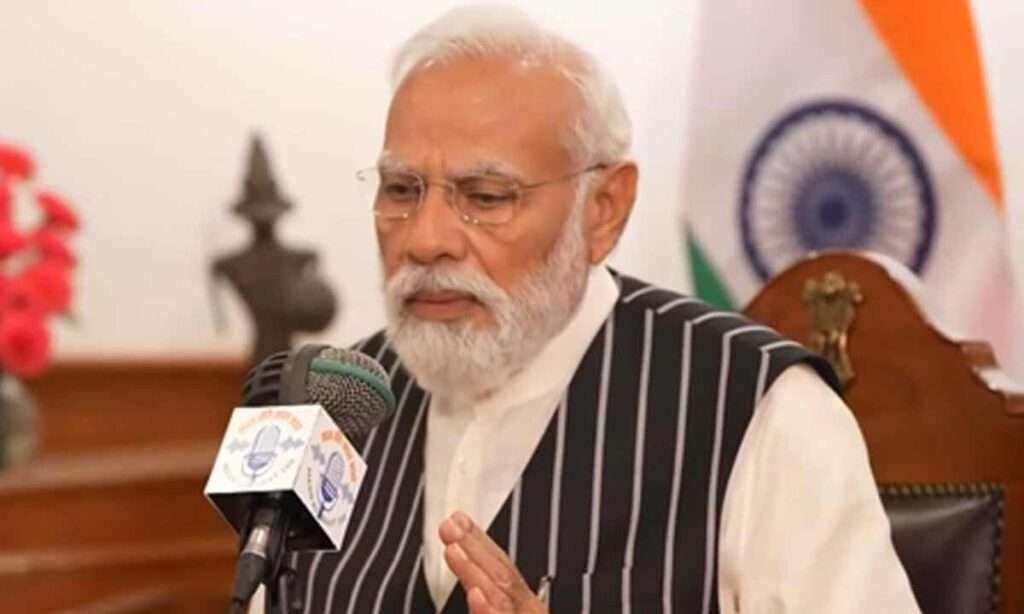
In his recent address, Prime Minister Narendra Modi announced that the government is “engaged in a major endeavour connected with Chhath Puja” and is striving to secure its recognition by UNESCO. The festival, deeply rooted in the states of Bihar, Jharkhand, and eastern Uttar Pradesh, involves rituals of bathing, fasting, and offering prayers to the setting and rising sun, reflecting deep ecological symbolism and community participation.
According to official reports, the Ministry of Culture of India wrote to the Sangeet Natak Akademi (SNA) in August 2025, enclosing a proposal submitted by the Chhathi Maiya Foundation to nominate Chhath Mahaparva for UNESCO acknowledgment. The nomination process requires detailed documentation of the festival’s history, cultural context, rituals, and its significance for the communities that observe it.
Cultural experts have argued that Chhath Puja deserves recognition because of its distinctive features. Beyond being a religious observance, it embodies social harmony, environmental reverence, and women’s central role in ritual practices. The Government of India hopes that UNESCO recognition will elevate the festival’s global profile, promote the safeguarding of India’s intangible heritage, and encourage intergenerational preservation.
The nomination follows a growing global appreciation for Indian cultural expressions. India already has several entries on UNESCO’s Intangible Cultural Heritage list, with Durga Puja in Kolkata being added in 2021. The Ministry of Culture has emphasised that including Chhath Mahaparva would showcase the “living heritage” of eastern India and its diaspora, strengthening cultural diplomacy and global awareness of India’s traditions.
While the announcement has been widely welcomed by cultural organisations and devotees, the nomination process for UNESCO recognition remains rigorous and time-consuming. It requires detailed evidence of continuity, community participation, and safeguarding measures. Since Chhath Puja is celebrated not only across India but also in countries like Nepal, Mauritius, and Fiji, the final dossier must capture its widespread cultural relevance and the values it represents.
In conclusion, the government’s push to secure UNESCO Intangible Cultural Heritage status for Chhath Puja marks a significant step toward recognising the festival’s cultural, spiritual, and ecological dimensions. If successful, this listing would not only reaffirm India’s rich heritage but also give Chhath Mahaparva a deserving place on the global cultural map. The initiative reflects India’s ongoing commitment to honouring and preserving traditions that celebrate harmony between humanity, nature, and faith.

