The Election Commission of India (ECI) has launched a sweeping phase of its Special Intensive Revision (SIR) of electoral rolls in 12 states and Union Territories starting November 4, 2025. The process, aimed at covering around 51 crore electors, has generated intense political debate, with opposition parties such as the Indian National Congress (INC) and All India Trinamool Congress (TMC) accusing the ECI of acting with partisan motives.
The ECI is conducting the SIR to update and purify electoral rolls across India, citing rapid migration, high voter mobility, duplicate registrations, and the need to ensure only eligible Indian citizens are listed. Under the Representation of the People Act, 1950, and Article 324 of the Constitution, the Commission has the authority to revise rolls. In the case of Bihar, where SIR was first undertaken, official data showed that over 98 percent of electors had submitted required documents by late August 2025.
The second phase of the SIR will cover 12 states and Union Territories, including Andaman & Nicobar, Chhattisgarh, Goa, Gujarat, Kerala, Lakshadweep, Madhya Pradesh, Puducherry, Rajasthan, Tamil Nadu, Uttar Pradesh, and West Bengal. The enumeration will begin on November 4, 2025, and conclude with the final roll publication by February 7, 2026, using January 1, 2026, as the qualifying date.
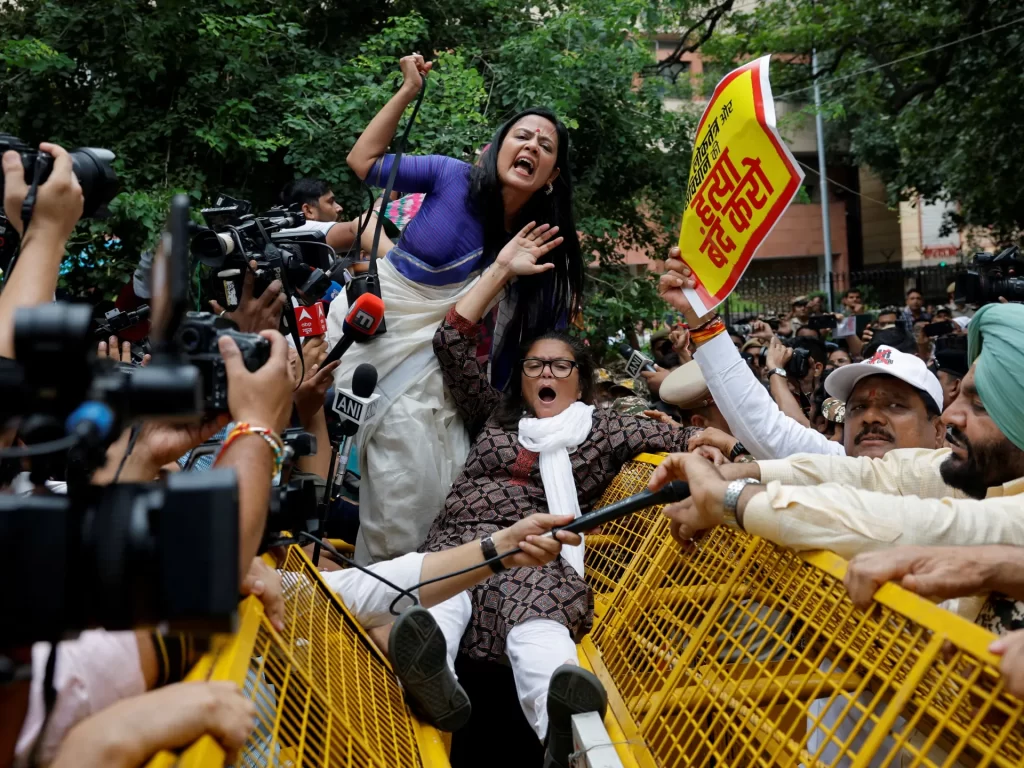
Despite its stated goals, the SIR has drawn sharp criticism from opposition parties. They claim the exercise may lead to large-scale disenfranchisement of voters supportive of non-ruling parties. In Bihar, around 65 lakh names were reportedly struck off following the revision, prompting accusations of political manipulation. The ECI, for its part, asserts that the exercise is legal, necessary, and designed to enhance electoral integrity.
Legal challenges have also been brought before the Supreme Court of India, with petitioners calling the SIR arbitrary and violative of citizens’ rights under Articles 14, 19, and 21. The controversy has deepened as concerns rise over documentation requirements for voter verification. The Commission has clarified that holding an Aadhaar card, voter ID, or ration card does not automatically validate citizenship or voter eligibility. Critics warn that many eligible voters, particularly migrant labourers and those lacking formal documents, could face exclusion. The ECI has also restricted the release of “machine-readable” versions of the voter list, citing privacy concerns.
The SIR’s rollout ahead of crucial legislative elections raises questions about its impact on turnout, voter confidence, and the fairness of contests. If large numbers of citizens discover their names missing, it could trigger a legitimacy crisis. The ECI has defended the process, stating that it is essential to ensure every eligible citizen can vote while removing ineligible entries from the rolls.
The expansive SIR exercise by the Election Commission of India represents one of the most ambitious efforts to clean and update the country’s electoral rolls in decades. While the drive emphasizes electoral integrity and inclusion, it also raises concerns about voter disenfranchisement, political bias, and procedural fairness. As the process unfolds across 12 states and Union Territories, its success will depend on transparency, public awareness, and effective safeguards. The way the ECI balances accuracy with accessibility may ultimately shape not only voter participation but also the strength of India’s democratic foundations.