
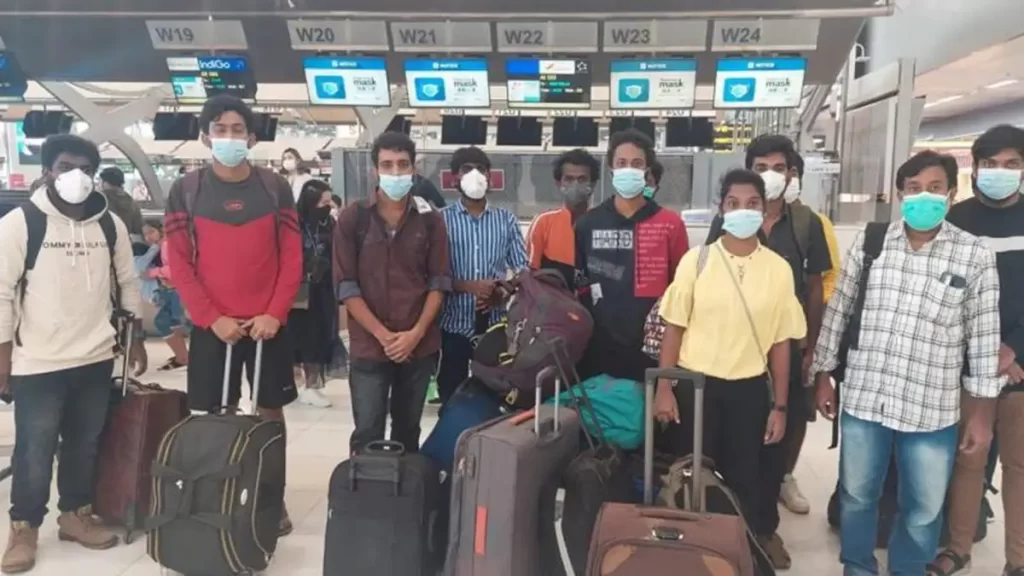
The Government of India has initiated plans to repatriate nearly 500 Indian nationals stranded in Thailand after fleeing Myanmar’s infamous cyber-scam hub, KK Park. The individuals crossed the border into Thailand following a military crackdown on the compound by Myanmar authorities. The repatriation effort underscores the growing challenge of transnational cyber-fraud networks in Southeast Asia and highlights the deepening cooperation between India, Thailand, and Myanmar to safeguard migrant workers and combat organized crime.
According to Thai Prime Minister Anutin Charnvirakul, India will dispatch a special chartered flight to the border town of Mae Sot to bring the stranded nationals back home once their identities and legal statuses are verified. Reports indicate that more than 1,500 people from 28 countries escaped from the compound after the Myanmar military’s operation earlier this month.
The KK Park complex, located in Myanmar’s Myawaddy region near the Thai border, has long been described as one of Southeast Asia’s largest “fraud factories.” These compounds operate as centers for large-scale cybercrime, including cryptocurrency scams, fake investment schemes, and romance frauds. Many of those detained claimed to have been lured to Myanmar by false promises of legitimate employment, only to be forced into online scamming under coercion.
India’s Ministry of External Affairs (MEA) confirmed that it is working closely with Thai immigration officials and consular teams to verify the identities of the Indian nationals and expedite their return. The ministry emphasized that its priority is to ensure the safe and early repatriation of citizens who may have been victims of trafficking or labor exploitation.
Experts note that Myanmar’s border regions have increasingly become safe havens for criminal syndicates exploiting the political instability that followed the country’s 2021 military coup. With weak governance, porous borders, and militia control, these regions have turned into hubs for human trafficking and cybercrime targeting victims across Asia, including India.
Authorities in Thailand have yet to categorize all those detained as either victims or offenders, as investigations continue to determine the extent of coercion involved. While many claim to have been trapped under false pretenses, some individuals may face legal scrutiny for participating in illicit operations. This complexity has prompted India to adopt a cautious but coordinated approach, balancing humanitarian support with accountability.
The planned repatriation represents a significant diplomatic and humanitarian initiative by India, reflecting its growing commitment to protect citizens abroad and address emerging cybercrime challenges. The development also highlights the necessity for regional cooperation among Southeast Asian nations to combat cross-border criminal networks.
As India and Thailand finalize logistics for the return operation, the case serves as a stark reminder of the vulnerabilities faced by job seekers drawn into deceptive overseas employment offers. It also signals a renewed urgency for stronger international frameworks to prevent human trafficking and online fraud. The success of this repatriation mission may influence India’s future policies on citizen protection and its broader strategy to tackle transnational cybercrime in the region.

