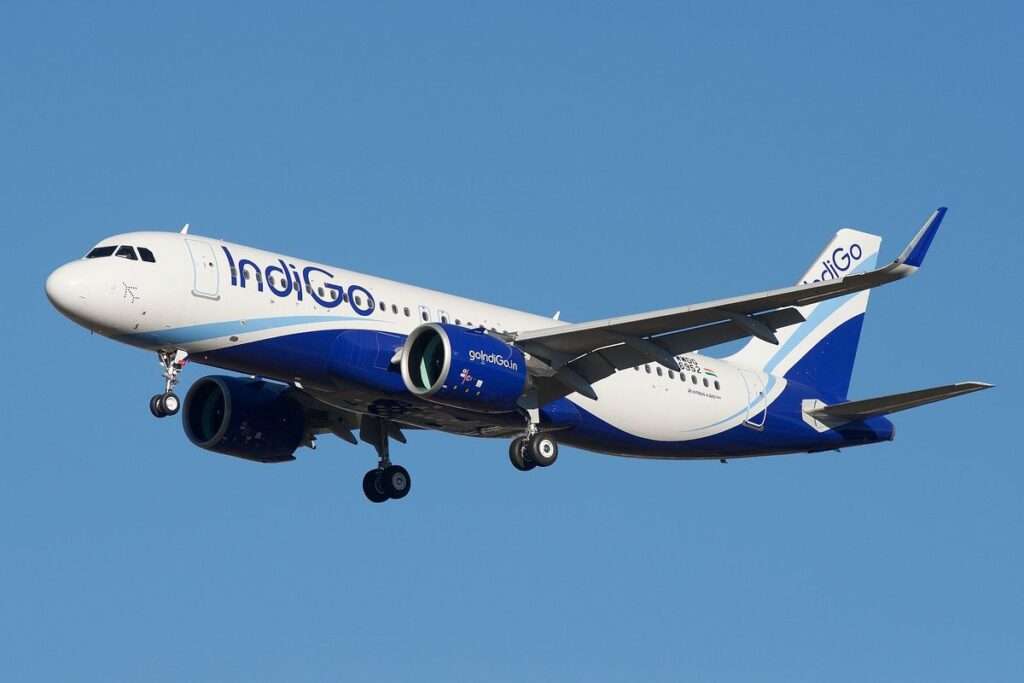
On Saturday morning(1 Nov 2025), IndiGo’s flight 6E-68 from Jeddah to Hyderabad was diverted to Mumbai following a threat email alleging a “human bomb” onboard. The aircraft landed safely in Mumbai, security protocols were activated, and the threat was subsequently determined to be a hoax.
The situation began when Rajiv Gandhi International Airport (RGIA) in Hyderabad received an email at approximately 5:25 a.m. on 1 November 2025, claiming that operatives from LTTE–ISI were onboard flight 6E-68 and had planted a “human bomb” with the intent of preventing the plane’s landing in Hyderabad. In line with standard aviation security procedures, the airline immediately diverted the flight to Mumbai.
Once the aircraft landed, it underwent a detailed inspection by security and airport authorities. No explosive device or sabotage was found. IndiGo later released a statement confirming that all passengers and crew were safe, emphasizing that the safety and security of its customers, crew, and aircraft remain its highest priorities.
While the incident caused disruption for passengers, the airline ensured that necessary assistance and refreshments were provided during the delay. After security clearance, the flight resumed its journey and later landed safely in Hyderabad in the afternoon.
The diversion occurred amid heightened scrutiny of aviation security in India, with several recent hoax threats targeting flights and airports across the country. Authorities have already emphasized the need for stricter laws and faster tracing of individuals responsible for such threats. The government is reportedly considering harsher penalties for those found guilty of issuing false bomb threats, given the severe disruption and panic these hoaxes create.
Although no credible device was found, the episode underscores the vulnerability of aviation systems to email-based hoaxes and false alarms. The threat email’s reference to historical terror incidents, such as the 1984 Meenambakkam airport blast, appeared designed to evoke fear and force emergency responses.
Diversions of this nature not only disrupt airline operations but also place immense pressure on airport security teams and air traffic controllers. For IndiGo and other carriers, ensuring passenger confidence in safety protocols remains a top priority. The incident may prompt airlines and authorities to review existing procedures for verifying and responding to electronic threats, enhancing coordination between airports, airlines, and intelligence agencies.
In the broader context, the rise in hoax threats directed at Indian flights and airports highlights the urgent need for stronger cybersecurity measures and public awareness. While precautionary measures must always take precedence, distinguishing between genuine threats and fabricated ones remains a constant challenge.
The safe diversion of IndiGo’s Jeddah-Hyderabad flight ultimately reflects both the strength and strain of India’s aviation security framework. Although the threat proved to be false, it serves as a reminder of the ongoing need for vigilance, preparedness, and quick action in the face of potential threats. The incident reaffirms that India’s aviation authorities are capable of swift response, but also that the system must continually evolve to counter new forms of digital disruption and misinformation.