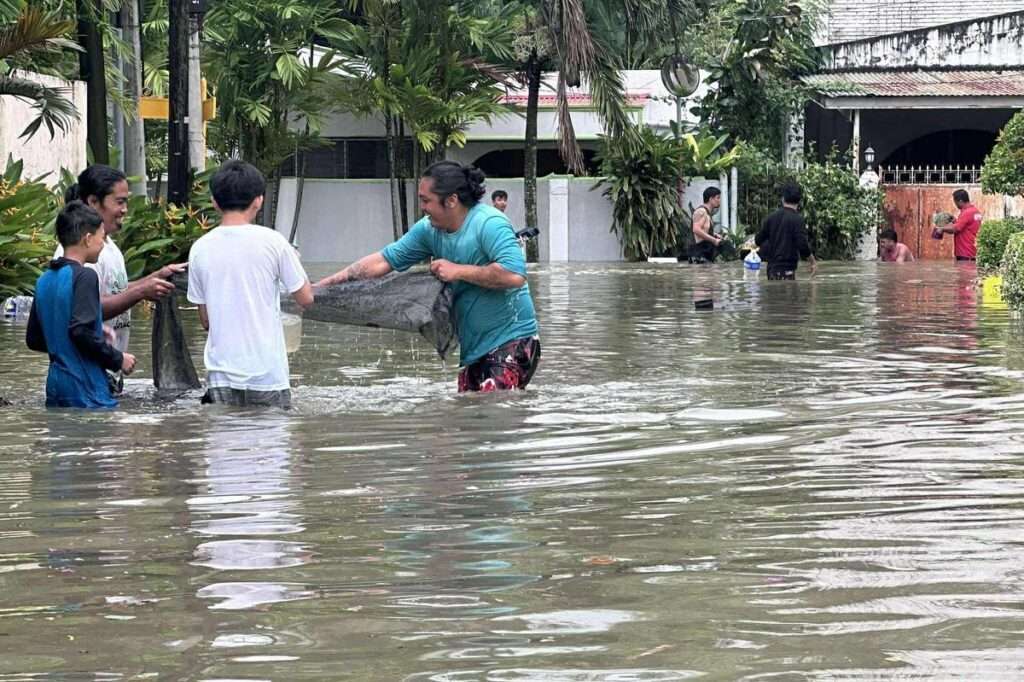
Typhoon Kalmaegi — locally known as “Tino” — has inflicted severe damage across the central Philippines, leaving at least 26 people dead and displacing hundreds of thousands. The storm’s ferocious combination of torrential rainfall, high winds, and storm surges has triggered widespread flooding, infrastructure collapse, and humanitarian distress.
Central islands of the Philippines such as the Visayas region have borne the brunt of the disaster. In provinces including Cebu, Negros Occidental, and Leyte, rising rivers and storm surges have submerged homes, swept away vehicles, and stranded residents on rooftops. According to the country’s disaster-management agency, more than 250,000 people have been evacuated to shelters, while power outages and communication disruptions have been widely reported.
The storm made multiple landfalls as it tracked west-northwest across the archipelago. It began to intensify rapidly after entering the Philippine Area of Responsibility (PAR) and was upgraded to typhoon status by several meteorological agencies. One particularly tragic aspect of the relief effort was a military helicopter crash in the southern province of Agusan del Sur, killing at least five personnel who were en route for rescue operations. The incident underscores the heightened risks faced by first-responders amid the storm.
In the immediate aftermath, communities continue to face multiple hazards: fast-moving floodwaters, blocked roads, fallen trees, and the looming possibility of further storms. Analysts note that this event — the 20th tropical cyclone to strike the Philippines this year — highlights the nation’s recurrent vulnerability to extreme weather. Climate scientists point to ocean-warming trends and changing atmospheric patterns as contributors to these intensified storms, making disaster preparedness even more critical.
Typhoon Kalmaegi has delivered a harsh reminder of the Philippines’ vulnerability to severe weather events, with at least 26 lives lost, hundreds of thousands displaced, and extensive damage to homes and infrastructure. As rescue and recovery operations continue, the storm’s trajectory westward toward the South China Sea offers a brief respite. Yet the broader implication remains: strengthening early-warning systems, resilient infrastructure, and community preparedness are essential to mitigating the impacts of an increasingly volatile climate.