
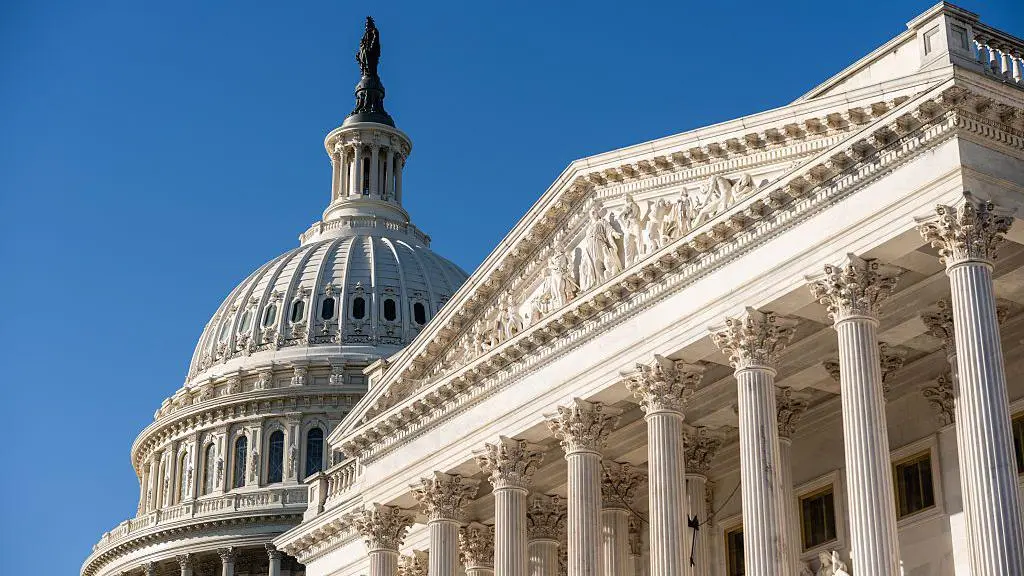
The federal government of the United States is now in its 36th day of shutdown, making it the longest in U.S. history. Since the impasse began on October 1, 2025, following a congressional failure to pass a full-year spending bill, federal services have been severely disrupted and hundreds of thousands of workers have gone without pay or been furloughed. The standoff is costing the U.S. economy billions of dollars each week and raising deep concerns across government, business, and households.
The shutdown was triggered by the lapse of a continuing resolution at the start of the fiscal year, when Congress could not agree on appropriations for the new budget. The root impasse centres on disagreements between the House, Senate, and the White House over health-insurance subsidies, foreign aid rescissions, and broader spending levels. With lawmakers failing to reach a compromise, the government’s funding gap has grown into a record-breaking shutdown.
Economic analysts warn that the cost is mounting rapidly. According to the Congressional Budget Office, the shutdown could subtract between US$7 billion and US$14 billion from the economy depending on its duration. A memo from the Council of Economic Advisers further estimates that each week of the shutdown could reduce U.S. GDP by about US$15 billion. The lost wages of furloughed federal workers, suspended procurement, and reduced consumer spending combine to raise the risk of lasting damage if the stalemate persists.
Beyond economic numbers, the shutdown is having real human and operational consequences. Millions of federal workers are either being furloughed or are working without pay. Vital services, including food assistance, child-care programmes, and certain regulatory functions, are being delayed or scaled back. Airports and national parks are feeling the pinch, and disruptions in service are beginning to ripple beyond Washington into local economies and families across the nation.
Politically, the shutdown reflects intensifying partisan gridlock. Republicans control both chambers of Congress but still face procedural hurdles in the Senate, including the filibuster. Democrats are refusing to agree to reopen the government unless their demands around healthcare subsidies are addressed, while Republicans insist they will not negotiate until funding is restored. The entrenched positions suggest a potential for further delay and increased risk of long-term consequences.
As the U.S. government shutdown enters its 36th day, the stakes continue to rise. The cost to the economy, the hardship for federal employees, and the disruption of public services are mounting. If the stalemate endures, the damage may not be entirely reversible—raising critical questions about governance, budget processes, and the resilience of federal operations. Ultimately, the outcome will not only affect Washington but millions of Americans and the broader economy at large.

