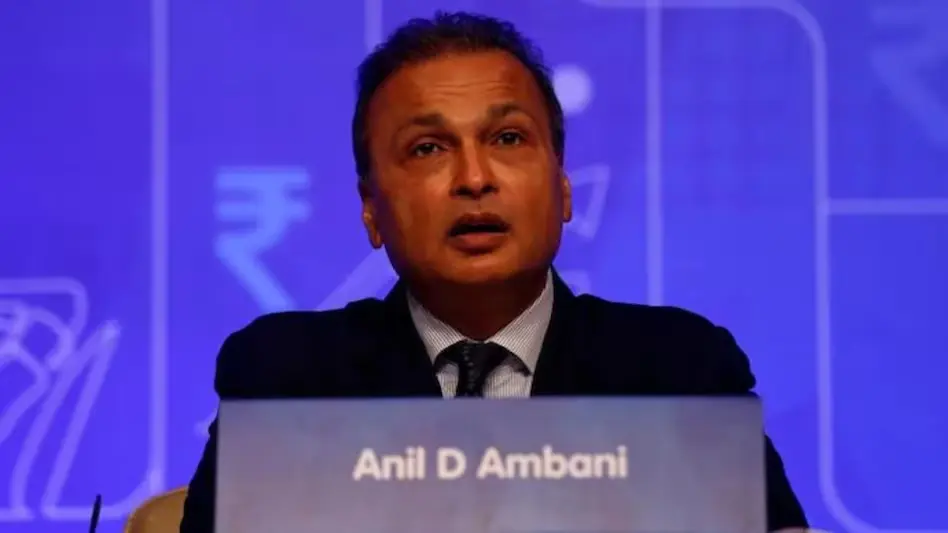
In a significant development in India’s corporate financial investigations, the Enforcement Directorate (ED) has issued a fresh summons to industrialist Anil Ambani for questioning on November 14, 2025. The probe centres on alleged bank loan fraud and money-laundering linked to his group company Reliance Communications Ltd (RCom) and major public lender State Bank of India (SBI). This marks the second time this year that Ambani has been summoned, following an earlier appearance in August.
The ED probe is part of a larger investigation into alleged financial irregularities by the Reliance Anil Dhirubhai Ambani Group (RAAG) dating back to loans taken between 2010 and 2012 by RCom and its affiliated companies. The agency alleges outstanding dues amounting to around ₹40,000 crore and notes that five banks have classified the loan accounts as fraudulent.
According to ED officials, the fresh summons issued on November 14 is tied to money-laundering activities under the Prevention of Money Laundering Act (PMLA). The agency has provisionally attached assets worth approximately ₹7,500 crore, including land in the Dhirubhai Ambani Knowledge City (DAKC) in Navi Mumbai and other properties linked to RAAG entities.
Investigators contend that funds obtained from banks were diverted in multiple ways, including being used for repayment of older borrowings (a practice known as “evergreening”), channelled to related parties and infrastructure firms, invested in mutual funds, or moved abroad through shell companies. The ED’s earlier questioning of Ambani in August reportedly lasted around ten hours, when statements were recorded under PMLA.
Ambani’s liabilities include a Rs 2,929 crore loss claimed by SBI in relation to RCom’s account, which was part of the bank’s complaint that triggered a Central Bureau of Investigation (CBI) FIR filed in August. In response, Ambani’s representatives have stated that he served only as a non-executive director at RCom and was not involved in the company’s daily management. They further contend that the bank’s action selectively singled him out and that the group has cooperated with all investigative agencies.
The broader ramifications of this investigation extend beyond Ambani personally. The probe underscores increasing regulatory scrutiny of corporate governance, credit discipline, and fund-diversion risks in India’s banking and corporate sectors. For creditors and investors, the case highlights vulnerabilities in exposure to companies with complex inter-group transactions and multiple defaults. It also serves as a reminder of the financial sector’s need for greater accountability and transparency in large-scale corporate lending.
As Ambani prepares to appear before the ED on November 14, the unfolding case represents a critical juncture for both the Reliance Anil Dhirubhai Ambani Group and India’s regulatory framework governing corporate debt and financial crimes. The outcome of this investigation could set an important precedent for how large corporate loans, fund diversions, and interlinked company debts are treated under law. With assets already attached and multiple agencies involved, the implications of this inquiry will likely resonate across the banking sector and influence future policy measures to curb corporate defaults and money-laundering risks. Stakeholders across the financial ecosystem will be closely monitoring the developments as investigators work to trace funds, establish accountability, and strengthen regulatory enforcement mechanisms.