
The Supreme Court of India has clarified that there is no insinuation of direct blame on the pilots in the preliminary findings of the investigation into the Air India Boeing-787 crash near Sardar Vallabhbhai Patel International Airport, Ahmedabad, on June 12, 2025. The Court also issued notice to the Centre and the aviation regulator in response to a plea seeking an independent judicial inquiry, scheduling the next hearing for November 10, 2025.
The tragic crash of Air India Flight AI 171, a Boeing 787-8 Dreamliner that took off from Ahmedabad and crashed shortly afterwards, resulted in the deaths of 260 people, including those on the ground. The preliminary report by the Aircraft Accident Investigation Bureau (AAIB), released in July 2025, stated that the fuel control switches for both engines transitioned from “RUN” to “CUTOFF” within seconds of take-off, leading to simultaneous loss of thrust and the subsequent catastrophe.
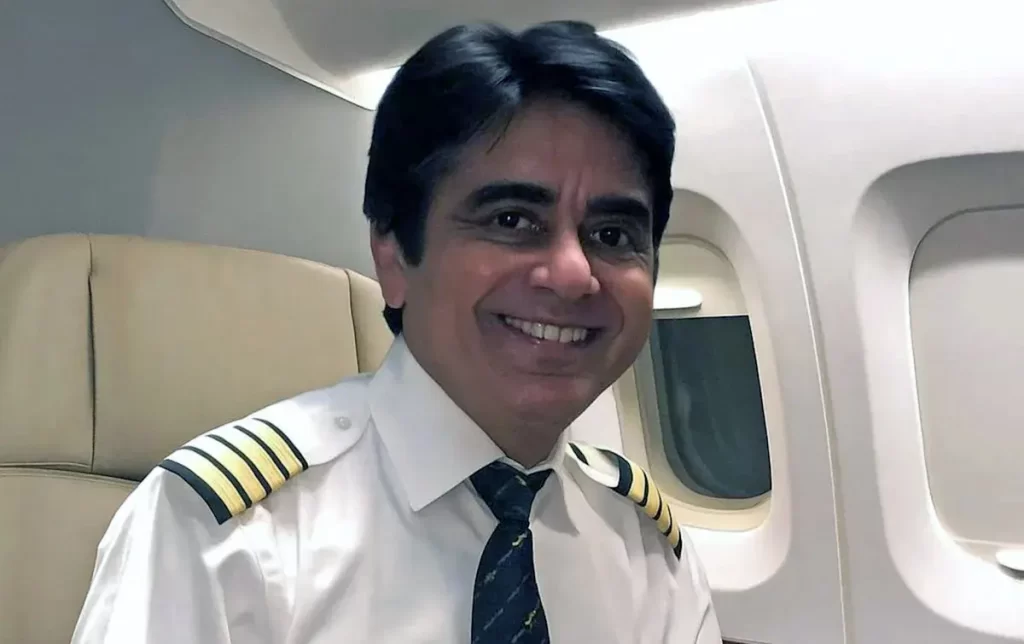
In this context, the pilot’s father, Pushkar Raj Sabharwal, whose son, Captain Sumeet Sabharwal, was the commander of the ill-fated flight, petitioned the Supreme Court seeking a fully independent judicial inquiry. He argued that the investigation lacked impartiality because it involved officials of the Directorate General of Civil Aviation (DGCA) and other state authorities, potentially compromising neutrality.
During the hearing, the Supreme Court bench comprising Justices Surya Kant and Joymalya Bagchi assured the petitioner that no one in the country believes it was the fault of the pilot and emphasized that the AAIB’s preliminary report did not assign blame to him. The Court further remarked that certain foreign media reports had been “nasty” in tone and stressed that such coverage would not influence India’s judicial process.
By issuing notices to the Centre, DGCA, and other authorities, the Supreme Court signalled its willingness to examine the petition for an independent probe, reinforcing the importance of transparency and public confidence in aviation safety mechanisms. The Court’s stance underscores a broader need to ensure that accident investigations are not only technically sound but also perceived as impartial and credible by all stakeholders.
The recent developments highlight several critical aspects of India’s aviation landscape. Transparency in investigations remains a cornerstone of public trust, as families of victims and industry observers demand accountability and openness in official reports. Regulatory accountability has also come under scrutiny, with calls for separating investigative functions from regulatory oversight to avoid conflicts of interest. Moreover, the case underscores how public perception and media narratives can sometimes blur the line between technical findings and assumptions of human error.
Beyond the immediate proceedings, the case reignites a broader discussion about safety culture within India’s aviation sector. Issues such as fuel system safety, cockpit switch mechanisms, and oversight of aircraft manufacturers are likely to come under closer review. The incident may prompt reforms aimed at strengthening the independence of investigative agencies like the AAIB and improving coordination between the DGCA, airlines, and global regulators.
The Supreme Court’s clear statement that the preliminary report does not insinuate pilot fault provides a sense of closure and reassurance to the bereaved family and the wider aviation community. With the next hearing set for November 10, 2025, attention now turns to whether the petition for a fully independent judicial inquiry will be granted. The outcome is expected to have far-reaching implications for aviation safety governance in India, reinforcing the importance of trust, accountability, and transparency in the country’s air transport system.

