In a significant development in public health, U.S. authorities have confirmed the first human infection with the avian influenza strain H5N5. The case, reported in Grays Harbor County, Washington, involves an older adult with underlying health conditions who was hospitalized in early November. This marks the first recorded instance of H5N5 infecting a person in the United States, a virus previously detected only in birds.
The patient exhibited symptoms including high fever, respiratory distress, and confusion, prompting hospital care and laboratory testing, which confirmed the infection as influenza A subtype H5N5. Health officials believe the infection likely originated from domestic poultry exposed to wild birds, as the individual resides in a home with a backyard flock that had contact with wild birds.
While this human case is unprecedented in the U.S., public health experts emphasize that there is currently no evidence of human-to-human transmission of H5N5. The Centers for Disease Control and Prevention (CDC) and state health authorities maintain that the general risk to the public remains very low, particularly for those without direct contact with infected birds or contaminated environments.
Key Facts:
- Strain identified: H5N5 avian influenza – first human case in the U.S.
- Patient profile: Older adult with underlying health conditions, hospitalized in early November
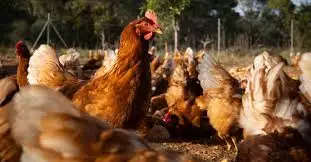
- Likely exposure: Backyard poultry with wild bird access
- Human-to-human transmission: None documented
- Public health message: Risk to the wider population remains low, but surveillance is heightened
Virologists note that while H5N5 differs from the more commonly human-detected H5N1 strain, current risk levels appear similar. Laboratories are actively sequencing the virus to determine whether this spillover event signals an emerging pattern. Experts emphasize that each novel human infection is an important opportunity to study potential viral evolution and underscore the need for strict monitoring.
The timing of the outbreak coincides with the fall-to-winter migratory bird season, a period when avian influenza risk typically rises among both domestic poultry and wild birds. This case also highlights the biosecurity challenges associated with non-commercial poultry and stresses the importance of safe practices for bird owners.
The confirmation of the first human H5N5 case in the U.S. underscores the complex interface between wildlife, domestic animals, and human health. While the immediate threat to the public remains low, authorities continue to monitor the situation closely through laboratory investigations, contact tracing, and animal health assessments. The incident serves as a reminder of the importance of vigilance in preventing zoonotic spillovers and maintaining strict biosecurity measures.