
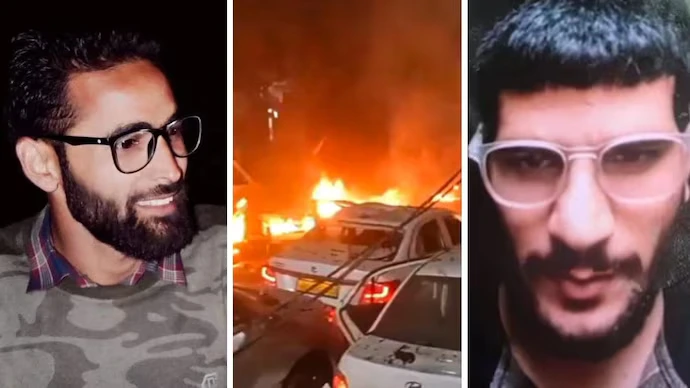
In a significant breakthrough in the ongoing investigation into the Red Fort blast in Delhi, the National Investigation Agency (NIA) has arrested four key associates of alleged suicide bomber Umar Un Nabi. The arrests, made across multiple states, mark a major step forward in dismantling what investigators describe as a coordinated and sophisticated terror module with possible international linkages.
Arrested Individuals and Their Alleged Roles
The four individuals arrested by the NIA include Dr. Muzammil Shakeel Ganaie from Pulwama, Dr. Adeel Ahmed Rather from Anantnag, Dr. Shaheen Saeed from Lucknow, and cleric Mufti Irfan Ahmad Wagay from Shopian. According to officials, all four are believed to have played critical roles in supporting Umar Nabi in the planning, facilitation, and execution of the blast.
These arrests follow earlier detentions, including that of Amir Rashid Ali, in whose name the car used in the explosion was registered. Another aide, Jasir Bilal Wani—also known as Danish—was taken into custody for providing technical support and reportedly working on drone modifications and primitive rocket mechanisms to enhance the module’s operational capabilities.
Details of the Blast and Investigation Findings
Forensic and DNA analysis have confirmed that the explosion at the Red Fort was caused by a vehicle-borne improvised explosive device (VBIED), which was allegedly driven by Umar Un Nabi himself. The remains recovered from the site were matched with his DNA profile. Nabi, an assistant professor at a private university in Haryana and a resident of Pulwama, is suspected to have been radicalized and recruited as the suicide operative for the attack.
Investigators have also revealed that the group made extensive use of encrypted communication platforms to coordinate logistics, operational planning, and financial transactions. The module reportedly operated across multiple states, including Delhi, Uttar Pradesh, Haryana, and Jammu & Kashmir.
Emerging Network and Possible International Links
Preliminary findings suggest that the accused individuals may have been in contact with foreign handlers based in Turkey and Pakistan. This suspected international involvement has raised concerns about the larger network behind the blast and the potential for similar future operations.
The NIA has so far questioned over 70 witnesses, including injured victims, residents of the surrounding areas, and individuals associated with the suspects. Officials believe that further arrests are likely as the investigation expands into the financial and ideological dimensions of the network.
Legal Action and National Security Implications
A Delhi court has already granted NIA custody for several of the accused individuals to enable detailed interrogation. Authorities are also examining whether the group had planned additional attacks using drones or advanced explosive mechanisms.
The case has heightened concerns regarding radicalization within professional and academic circles. The involvement of medical professionals and a religious cleric highlights the operational sophistication of the terror module and the challenges security agencies face in detecting early signs of indoctrination and recruitment.
As the NIA intensifies its investigation into the Red Fort blast, the recent arrests are expected to provide critical insights into the planning, financing, and international connections of the terror network. The case underscores the urgent need for strengthened intelligence coordination, enhanced oversight of high-risk sectors, and robust counterterror strategies to prevent similar attacks in the future.

