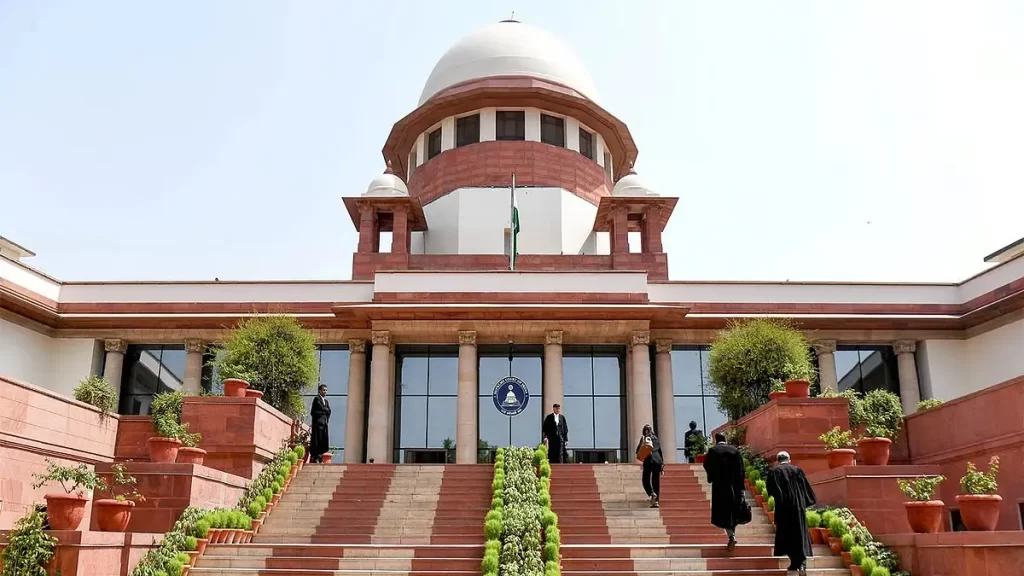
In a landmark ruling, the Supreme Court of India has directed the Central Government to frame a comprehensive national policy and set uniform rules on organ transplantation. The decision, delivered by a bench headed by Chief Justice B. R. Gavai and Justice K. Vinod Chandran, aims to eliminate deep-rooted inequities across states and ensure access to life‑saving organ transplants is fair, transparent, and efficient.
Court Orders for Comprehensive Reform
The apex court’s directions came in response to a public interest litigation filed by the Indian Society of Organ Transplantation (ISOT), which highlighted “state‑wise discrepancies” in implementation of organ donation and allocation frameworks.
Key directives issued by the court include:
- A national policy with model allocation criteria that addresses gender and caste bias and ensures uniform donor criteria across India.
- Constitution of State Organ and Tissue Transplant Organisations (SOTOs) in regions currently lacking them—such as Manipur, Nagaland, Lakshadweep, and the Andaman & Nicobar Islands—under the National Organ Transplantation Programme.
- Guidelines to protect live donors from exploitation, including mandated post-donation welfare and safeguards against commercialization.
- Amendment of death and birth certificate forms to record whether a death involved “brain death” and whether the option to donate organs was offered to families.
- A national web portal to provide a consolidated registry for donors and recipients, coordinated by the National Organ and Tissue Transplant Organisation (NOTTO).
- A five-year plan for rolling out transplant facilities in public hospitals in every state, extending access beyond private healthcare.
- Enforcement mechanisms requiring hospitals to report transplant data—donor and recipient details—to the national registry, with non-compliance by states subject to action.
Uneven Adoption Underlies the Push
The Supreme Court emphasised that several states have failed to adopt key legislation:
- Andhra Pradesh has not implemented the 2011 Amendment to the Transplantation of Human Organs Act, 1994, which expanded the definition of “near relatives” and introduced a national transplant registry.
- States including Karnataka, Tamil Nadu, and Manipur have also not adopted the 2014 rules under the amended law.
- The absence of coordinated allocation criteria across states has led to unfairness, with regions operating under divergent systems.
The bench noted that around 90% of organ transplants currently take place in private hospitals, severely limiting access for poorer sections of society.
A Push for Equity and Transparency
The lack of a consolidated national database for organ donors and recipients has hampered timely and equitable allocation. The new directives aim to bring everyone under a common framework—regardless of state boundaries, caste, gender, or wealth—and institutionalise a “One Nation, One Transplant Policy.”
The court also expressed concern about commercial exploitation of live donors and urged the Centre to protect donors’ rights and long-term welfare.
Implications and the Road Ahead
If implemented fully, the Supreme Court’s orders could transform India’s organ transplantation landscape. A uniform national policy may:
- Reduce regional disparities
- Ensure fair allocation of organs
- Promote ethical practices by protecting vulnerable donors
- Create a transparent registry for better coordination
The five-year roadmap for public hospital capacity building could democratise access, especially for marginalized communities who currently struggle to reach private transplant centres.
Challenges remain, however. States that have lagged in adopting the 1994 Act’s amendments must now move quickly. Establishing SOTOs in remote or underserved regions will require sustained administrative commitment. Equally important will be the political will to fund, monitor, and enforce these reforms.
Conclusion
The Supreme Court’s directive to frame a unified national policy for organ transplantation marks a decisive step toward equitable healthcare in India. By mandating uniform allocation criteria, protecting live donors, and strengthening institutional structures, the Court seeks to build a system where life-saving organ transplants are not determined by geography or social background.
With a clear five-year implementation plan and the development of a centralized registry, the order could reshape India’s organ transplant ecosystem—balancing ethical concerns, access, and urgency. The cooperation and prompt action of the Centre and states will determine whether this vision becomes a tangible lifeline for all Indians in need of transplants.