
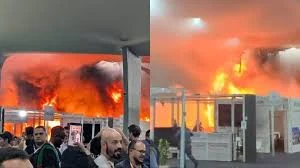
A fire broke out at the main venue of the United Nations COP30 climate summit in Belém, Brazil, on Thursday, 20 November 2025, prompting the temporary evacuation of thousands of delegates attending the high-profile global conference. The blaze, which erupted in one of the central pavilions, was swiftly controlled by firefighters, preventing major structural damage or severe injuries.
According to officials, no burn injuries were reported. However, at least 21 individuals received medical care, most of them suffering from smoke inhalation-related symptoms including shortness of breath, nausea, and eye irritation. Medical teams stationed at the venue responded immediately, ensuring timely assistance to those affected.
The incident unfolded during a crucial phase of the climate negotiations, causing delays in scheduled sessions on emissions reduction targets, climate finance mechanisms, and adaptation initiatives for vulnerable countries. Delegates were guided to designated safety zones as emergency alarms activated, ensuring an orderly evacuation of the crowded venue.
Authorities overseeing the summit confirmed that all operations were temporarily halted until fire crews secured the affected pavilion and declared the site safe for re-entry. Conference activities resumed later in the day, with several meetings rescheduled to accommodate the disruption.
A preliminary assessment suggests the fire originated from an electrical malfunction, though a full investigation is underway. Brazilian officials assured attendees of enhanced safety checks and reinforced monitoring systems for the remainder of the summit.
Despite the interruption, COP30 remains on track as global leaders continue discussions aimed at advancing climate commitments and addressing urgent environmental challenges. Delegates expressed appreciation for the rapid intervention of emergency responders, whose swift action helped avert a potentially more serious crisis.
The incident has also renewed focus on safety preparedness at large international events, particularly those hosting high-density crowds and critical diplomatic engagements. As proceedings move forward, organizers are expected to review and strengthen emergency protocols to ensure the secure continuation of the summit.

