
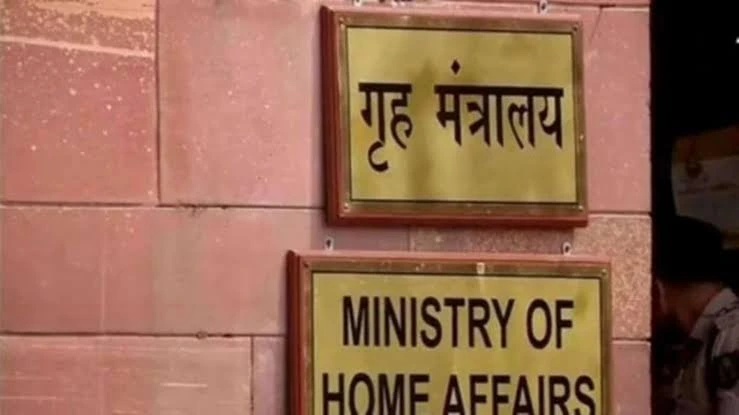
The Ministry of Home Affairs (MHA) is close to finalising its decision on the Central Bureau of Investigation’s (CBI) request for prosecution sanction against eight IAS officers allegedly involved in the Jammu & Kashmir gun licence scam. The case, which spans several districts across the former state, has emerged as one of the largest alleged arms licence rackets in the region. The Jammu & Kashmir and Ladakh High Court has granted the Centre a short window to formalise its stand, signalling that a definitive outcome is expected soon.
Overview of the Alleged Scam:
According to the investigation, widespread irregularities occurred between 2012 and 2016 in the issuance of more than 2.74 lakh gun licences across multiple districts. Large numbers of licences were allegedly approved in violation of rules, in some cases reportedly to ineligible individuals. The CBI estimates the scam to be worth over ₹100 crore, suggesting a possible link between illegal approvals and financial kickbacks.
Key Allegations Include:
- Issuance of arms licences without proper verification
- Approvals granted to individuals outside the respective districts
- A suspected nexus between public officials and private arms dealers
- A suspected money trail indicating possible corruption
IAS Officers Under Consideration for Prosecution:
The MHA is examining the CBI’s request for prosecution sanction against eight serving IAS officers who held posts as district magistrates during the period in question. The officers include:
- P. K. Pole
- M. Raju
- Yasha Mudgal
- Jitendra Kumar Singh
- Dr. Shahid Iqbal Choudhary
- Niraj Kumar
- Prasanna Ramaswamy G
- Ramesh Kumar
These officers served in districts including Kathua, Udhampur, Rajouri, Pulwama, Baramulla, Kargil and Leh during different periods, where significant spikes in licence issuance were recorded.
Administrative Scrutiny and Missing Documents:
The MHA had earlier sought additional documents from the CBI, including detailed evidence, a clearer money trail, internal legal opinions, and complete investigation records. Officials indicated that earlier proposals were incomplete, prompting delays. Recent submissions from both the CBI and the J&K administration have reportedly addressed these shortcomings, enabling the ministry to move closer to a final decision.
Judicial Oversight and High Court Directions:
The Jammu & Kashmir and Ladakh High Court has been closely monitoring the status of the sanction process. It has issued several directions urging the Centre to expedite its decision, noting that prolonged delays affect the progress of the criminal proceedings. In its latest hearing, the court allowed the MHA a brief extension but insisted on a clear affidavit outlining the government’s final position.
Potential Implications:
Granting prosecution sanction would mark a significant advancement in the case, paving the way for charges to be formally filed against senior bureaucrats. Such a move could strengthen anti-corruption measures in the region, reinforcing the principle of administrative accountability. Conversely, refusal or further delay could raise questions about the effectiveness and independence of existing sanction mechanisms under the Prevention of Corruption Act.

