
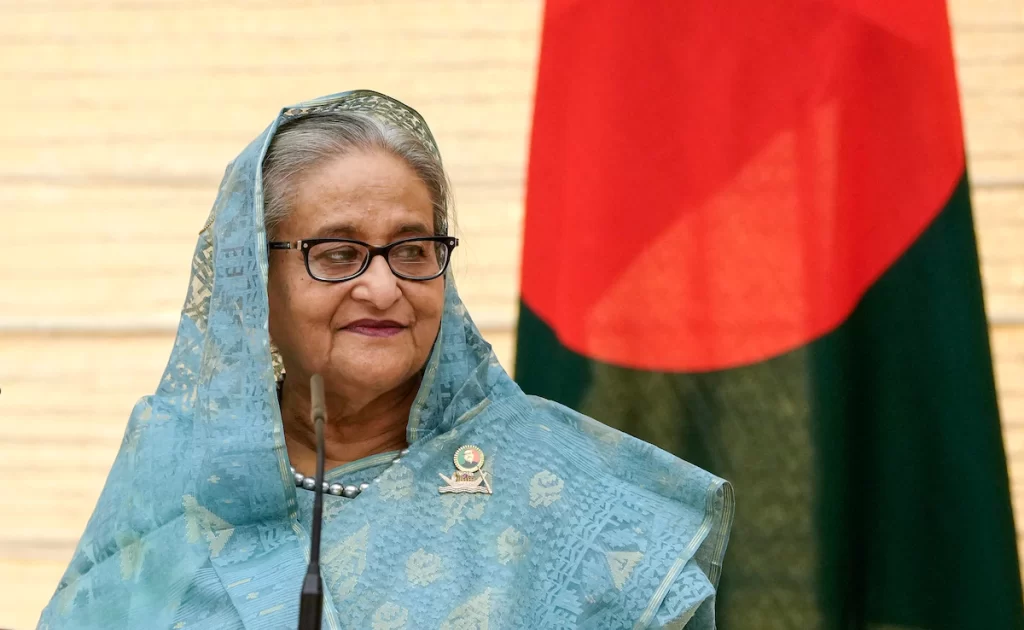
In a significant diplomatic development, India’s Ministry of External Affairs (MEA) has confirmed that it has received a formal extradition request from Bangladesh seeking to hand over former Prime Minister Sheikh Hasina. The Indian government stated that the request is currently under careful review through ongoing judicial and internal legal processes.
A Nation’s Plea, A Neighbour’s Responsibility
Bangladesh’s interim administration, under Muhammad Yunus, submitted the formal extradition request following Hasina’s conviction in absentia by a special tribunal in Dhaka. The tribunal sentenced her to 21 years in prison on multiple corruption charges. Dhaka argues that under the bilateral extradition treaty signed with India in 2013, New Delhi is obliged to consider the request. The Bangladeshi government has described Hasina’s continued stay in India as a “grave act of unfriendly behaviour.”
This recent request marks at least the second time Bangladesh has sought her extradition. A prior request submitted in December 2024 remained unanswered.
India’s Position: Careful Legal and Diplomatic Calibration
MEA spokesperson Randhir Jaiswal said, “Yes, we have received the request. The request is being examined as part of ongoing judicial and internal legal processes.” He emphasized that India remains committed to supporting “peace, democracy, inclusion and stability” in Bangladesh.
Officials in Dhaka have indicated that they do not expect a swift response from New Delhi. According to Bangladesh’s Foreign Affairs Adviser Md Touhid Hossain, there has been no reply to the previous request, and a prompt answer is unlikely even now.
Broader Implications
The extradition request carries implications that extend beyond legal considerations:
- Bilateral Relations: Extraditing a former head of government could strain diplomatic ties between India and Bangladesh.
- International Precedent: India’s handling of the case may influence how other countries approach requests involving high-profile political figures in exile.
- Domestic Stability: Enforcing the sentence could trigger political unrest in Bangladesh.
| Concern | Significance |
|---|---|
| Legal Admissibility & Due Process | Extradition requires India to evaluate the request under its own laws and treaty obligations. |
| Diplomatic Fallout | Compliance could strain relations with factions sympathetic to Hasina; refusal may provoke backlash from Dhaka. |
| Regional Security & Image | The case could impact perceptions of India’s stance on asylum, judicial fairness, and regional stability. |
Looking Ahead
New Delhi has committed to “constructive engagement” while the extradition request undergoes judicial review. Analysts suggest that India must carefully balance legal obligations under the treaty with diplomatic, humanitarian, and regional considerations.
The outcome of this case could set a precedent for how South Asian nations manage extradition requests involving politically sensitive individuals. As India deliberates, the world watches closely, aware that the final decision could have far-reaching implications for regional diplomacy and governance.

