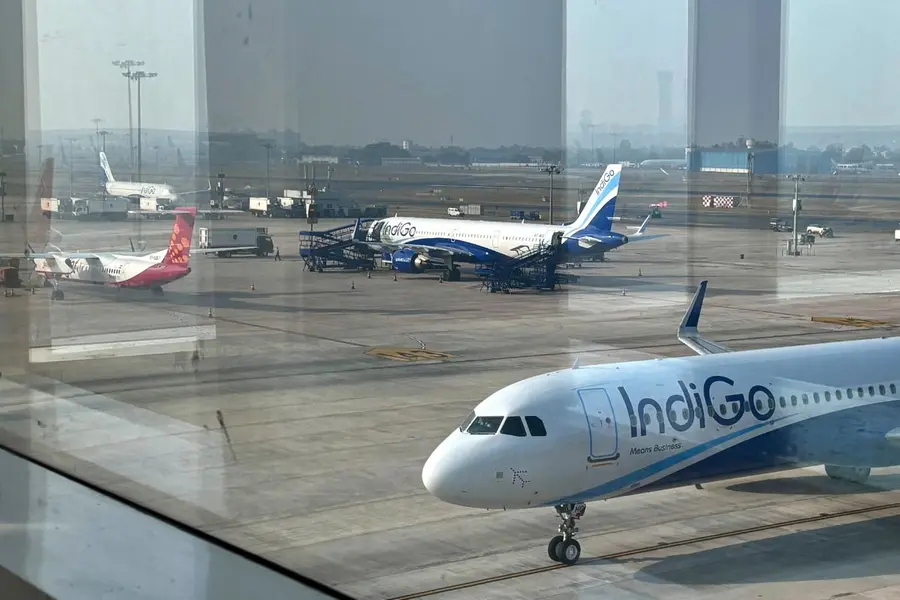
India’s largest low-cost carrier, IndiGo, is facing one of the most severe operational breakdowns in its history following the sudden, full-scale implementation of revised Flight Duty Time Limitations (FDTL) mandated by the Directorate General of Civil Aviation (DGCA). The updated rules, aimed at improving pilot rest and operational safety, have exposed critical gaps in IndiGo’s crew planning and rostering systems — resulting in mass cancellations, widespread delays, and escalating passenger frustration across the country.
New FDTL Rules: Designed for Safety, Delivered with Shock
The recently enforced FDTL framework introduces significant restrictions on pilot work hours, particularly for night operations. The new norms increase mandatory weekly rest periods from 36 to 48 hours, extend the defined “night duty” window, and limit the number of weekly night landings per pilot. These changes were introduced to reduce fatigue-related risks and bring Indian aviation closer to global safety standards.
However, the tougher night-duty restrictions and expanded rest requirements demanded a sizable increase in IndiGo’s pilot strength — something the airline had not adequately prepared for. Despite having a multi-year transition window, the airline underestimated the impact of Phase II of the FDTL rollout, leading to a sudden spike in crew shortages.
IndiGo Underprepared: How Planning Gaps Sparked the Meltdown
According to internal assessments, IndiGo misjudged the additional manpower needed to maintain its aggressive flight schedule under the new norms. The airline traditionally relies on high aircraft utilization and dense night operations — an operational model now severely strained by enhanced rest mandates.
This miscalculation caused a domino effect across IndiGo’s network. With pilots either unavailable or unable to legally operate under FDTL restrictions, the airline struggled to staff flights, resulting in:
- Hundreds of flight cancellations over consecutive days
- Sharp declines in on-time performance
- Severe disruptions at major hubs including Delhi, Mumbai, and Bengaluru
- Thousands of passengers stranded, many missing connections and critical travel plans
Scenes of long queues, crowded terminals, and frustrated travelers became commonplace as the airline attempted to stabilize its operations.
Government Steps In: Temporary Relief Amid Heightened Scrutiny
As public outrage grew, the DGCA intervened by offering temporary relief to IndiGo. Authorities granted short-term flexibility on certain FDTL clauses — particularly for the carrier’s A320 fleet — giving IndiGo time to rework crew rosters and align its operations with regulatory requirements. The relaxation, however, came with clear conditions: IndiGo must provide regular compliance reports and demonstrate its ability to transition to full FDTL adherence by early 2026.
The airline has since acknowledged its planning failures, admitting that its projections for crew requirement were “off target.” IndiGo has indicated that it may reduce its flight schedule in the short term while it recruits more pilots and recalibrates its operational strategy.
Industry Reaction: Safety vs. Scheduling
Pilot unions and aviation safety advocates have criticized any rollback of the new norms, arguing that fatigue mitigation must remain a priority. Some industry experts suggest that the crisis reveals deeper inefficiencies in Indian carriers’ dependence on tight crew rosters and relentless flight utilization.
Outlook: A Test of IndiGo’s Resilience
IndiGo has committed to restoring stable operations by February 2026. The airline faces the dual challenge of rebuilding passenger confidence and restructuring its staffing model to comply with safety-first regulations. Whether this crisis becomes a turning point for improved operational planning — or remains a warning of deeper systemic vulnerabilities — will unfold over the coming months.
As India’s aviation sector continues to expand, the IndiGo disruption stands as a stark reminder: safety-driven regulation must be matched by robust airline preparedness, or the consequences will ultimately be borne by the traveling public.