
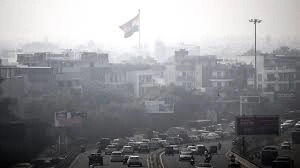
A thick blanket of smog has once again engulfed the Delhi-National Capital Region (NCR), pushing air pollution levels dangerously close to the ‘severe’ category and prompting authorities to reimpose Stage III of the Graded Response Action Plan (GRAP). The deteriorating air quality in Delhi-NCR has triggered widespread health concerns, disrupted daily life, and renewed debate over long-term solutions to the region’s chronic pollution crisis.
Worsening Air Quality Raises Alarm
According to official monitoring data, the Air Quality Index (AQI) in several parts of Delhi, Noida, Ghaziabad, Gurugram, and Faridabad has hovered near the severe threshold, with PM2.5 and PM10 concentrations far exceeding safe limits. Reduced wind speed, a drop in temperature, and increased biomass burning in neighboring states have compounded the problem, trapping pollutants close to the ground and intensifying the smog.
Morning visibility across the NCR has been severely affected, with commuters reporting poor road conditions and a noticeable spike in respiratory discomfort. Hospitals have also noted a rise in patients suffering from asthma attacks, bronchitis, and eye irritation—common effects of prolonged exposure to toxic air pollution.
GRAP Stage III Measures Enforced
In response to the alarming situation, authorities have reinstated GRAP Stage III restrictions, aimed at curbing the major contributors to air pollution. These emergency measures are designed to prevent further deterioration until weather conditions improve.
Key restrictions under GRAP Stage III include:
- Ban on non-essential construction and demolition activities
- Closure of stone crushers and brick kilns
- Restrictions on diesel generator sets, except for essential services
- Intensified checks on vehicular emissions
- Enhanced mechanized road sweeping and dust control measures
The measures apply across the entire Delhi-NCR region and will remain in force until a sustained improvement in AQI levels is observed.
Causes Behind the Smog Crisis
Experts point to a combination of seasonal and structural factors behind the recurring Delhi smog crisis. Vehicular emissions, industrial pollution, construction dust, and stubble burning, coupled with unfavorable meteorological conditions, create a pollution cocktail that peaks during the winter months.
The lack of strong winds and lower mixing height during this period significantly reduce the dispersion of pollutants, making emergency interventions like GRAP essential but reactive in nature.
Health and Economic Impact
The impact of severe air pollution extends beyond health. Reduced productivity, school advisories limiting outdoor activities, and disruptions in transport and construction work have economic consequences for the region. Vulnerable groups, including children, the elderly, and those with pre-existing conditions, face the greatest risk.
Looking Ahead
While the reimposition of GRAP Stage III reflects urgent action, experts emphasize that long-term solutions—such as cleaner public transport, stricter industrial compliance, sustainable farming practices, and regional coordination—are critical to preventing recurring air quality emergencies.
As Delhi-NCR grapples with yet another episode of hazardous air, the crisis underscores the need for sustained policy implementation and collective responsibility. Until then, residents are advised to limit outdoor exposure, use protective masks, and follow official advisories as the region waits for cleaner air and lasting reform.

