
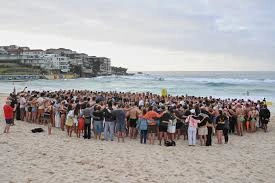
In the wake of one of Australia’s deadliest mass shootings in recent history, the government has moved swiftly to tighten hate speech laws and broaden counter‑extremism measures following a terror‑linked attack at Bondi Beach that killed 15 people and wounded dozens more. The incident — which has shocked the nation and sparked international concern — has placed renewed focus on antisemitism, terrorism, gun legislation, and social cohesion in Australia.
Grim Toll and Terror Charges
On December 14, 2025, a mass shooting erupted near Bondi Beach in Sydney during a Hanukkah celebration. Authorities say the attack was deliberately targeted at the Jewish community, resulting in 15 confirmed deaths — including a 10‑year‑old girl — and many more injured, with victims ranging from children to elderly Holocaust survivors.
Naveed Akram, 24, has now been charged with 59 offences, including 15 counts of murder, terrorism‑related charges, attempted murder, and other serious offences related to the discharge of firearms and the placement of explosive devices.
Akram’s father, 50‑year‑old Sajid Akram, was killed at the scene by police following an exchange of gunfire. The surviving suspect remains hospitalized and under police guard, having made his first court appearance via video link from his hospital bed.
Investigation and Extremism Links
Law enforcement agencies, including NSW Police, the Australian Federal Police (AFP), and national security services, are leading an extensive investigation — codenamed Operation Arques — into the attack. Authorities allege the perpetrators were influenced by extremist ideology linked to the Islamic State, with homemade flags and evidence of intent found at the scene.
Key elements of the investigation include:
- Analysis of seized digital devices and video evidence
- Assessment of possible overseas contacts based on recent travel
- Examination of firearm acquisition and licensing pathways
- Scrutiny of potential radicalization pathways
Police stress that the murder investigation remains ongoing and that other leads and persons of interest are under review.
Government Response: Tougher Hate Speech Laws
In direct response to the attack, Prime Minister Anthony Albanese has announced a sweeping crackdown on hate speech and extremist rhetoric, emphasizing that protecting community safety and national unity is paramount.
Under the proposed reforms, the government plans to:
- Introduce new aggravated hate speech offences targeting individuals — including religious preachers — who incite violence or propagate hate.
- Increase penalties for hate speech that promotes violence or intimidation.
- Enable judges to consider “hate” as an aggravating factor in sentencing for online threats and harassment.
- Establish a framework to list and monitor organisations whose leaders spread hate or division.
- Empower authorities to refuse or cancel visas of individuals who engage in or promote hateful conduct.
Speaking at a Canberra press conference, Mr. Albanese acknowledged that previous efforts to counter antisemitism and extremist rhetoric may not have been sufficient, stating: “It is clear we need to do more to combat this evil scourge.”
National Debate Over Safety and Rights
The proposed legislative changes have ignited robust public discussion about balancing freedom of speech, public safety, and civil liberties. Supporters argue that stronger legal tools are essential to counter rising extremism and protect vulnerable communities, while critics caution against potential overreach that could stifle legitimate expression. Lawmakers from across the political spectrum are now grappling with these complexities as parliamentary debate looms.
Conclusion and Outlook
The Bondi Beach shooting investigation continues to unfold as Australia mourns the loss of innocent lives and seeks measures to prevent future attacks. With a high‑profile terror case in court and urgent legislative efforts underway to combat hate speech, the nation stands at a critical juncture in shaping policies on extremism, antisemitism, and community protection. The coming months are likely to see heated debate in Canberra, with broader implications for Australia’s approach to security, social harmony, and the rule of law.

