In a significant move aimed at strengthening the integrity of India’s electoral process, the Election Commission of India (ECI) in December 2025 released draft electoral rolls following a Special Intensive Revision (SIR) across five states and Union Territories. The exercise resulted in the removal of more than 1.02 crore names, marking a 7.6% reduction in the collective electorate, which has declined from 13.35 crore to 12.33 crore voters. The large-scale cleanup has sparked nationwide attention, placing renewed focus on electoral transparency, voter verification, and democratic credibility.
Strengthening Electoral Integrity
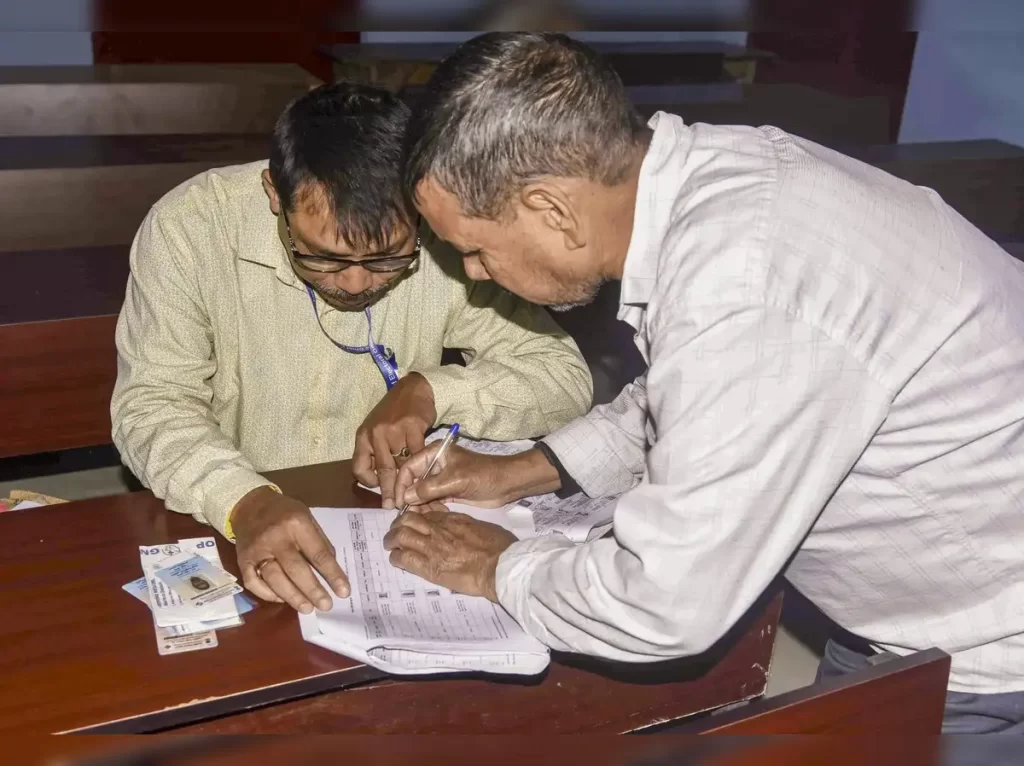
The Special Intensive Revision was undertaken as part of the ECI’s ongoing efforts to ensure accurate, updated, and fraud-free electoral rolls. Unlike routine revisions, an SIR involves door-to-door verification, cross-checking of official records, and enhanced scrutiny of voter eligibility. According to officials, the revision primarily targeted entries linked to duplicate registrations, deceased voters, permanent migration, and ineligible or untraceable electors.
The ECI emphasized that maintaining a clean voter database is essential to uphold the sanctity of elections, especially in a country as large and diverse as India. Electoral rolls form the backbone of the democratic process, and inaccuracies can undermine public trust as well as electoral outcomes.
Key Outcomes of the Special Intensive Revision
The December 2025 draft rolls reflect the scale and impact of the revision exercise. Key highlights include:
- Total names removed: Over 1.02 crore
- Percentage reduction: 7.6%
- Electorate before revision: 13.35 crore
- Electorate after revision: 12.33 crore
- Regions covered: Five states and Union Territories
This cleanup is among the most substantial voter list corrections undertaken in recent years, underlining the ECI’s intent to prioritize accuracy over inflated voter numbers.
Reasons Behind the Large-Scale Deletions
Officials involved in the revision process cited several factors contributing to the high number of deletions:
- Duplicate voter IDs created due to migration or administrative lapses
- Non-existent or deceased voters still listed in previous rolls
- Long-term migrants who failed to update their electoral status
- Unverified entries lacking sufficient documentation
The ECI clarified that the removal of names does not automatically disenfranchise eligible voters. Citizens whose names have been deleted can file claims and objections during the designated window to restore their registration after verification.
Political and Administrative Implications
The sharp reduction in voter numbers has prompted discussions among political parties and civil society groups. While many have welcomed the move as a step toward clean and credible elections, others have urged the ECI to ensure that no genuine voter is excluded due to documentation gaps or procedural errors.
From an administrative standpoint, the revised rolls are expected to improve polling efficiency, reduce impersonation, and enhance confidence in election results, particularly ahead of upcoming electoral contests.
Looking Ahead
The publication of the draft electoral rolls is not the final step. The ECI has reiterated that the process remains inclusive and corrective, allowing voters to submit claims, objections, and appeals before the rolls are finalized. As India prepares for future elections, the Special Intensive Revision underscores a broader commitment to electoral reforms, voter authenticity, and democratic resilience.
By prioritizing accuracy over numbers, the ECI’s latest exercise signals a decisive push toward a more transparent and trustworthy electoral system—one that reflects the true will of the electorate.