
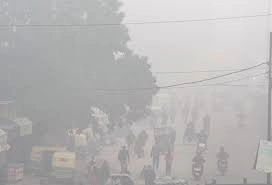
As North India enters the peak of the winter season, extreme weather conditions have tightened their grip across the region. On December 20, 2025, the India Meteorological Department (IMD) issued an Orange Alert for dense to very dense fog, warning of significantly reduced visibility and widespread disruption. States including Delhi, Punjab, Haryana, Uttar Pradesh, Rajasthan, and parts of Bihar are facing hazardous conditions, underscoring the growing challenges of winter weather management in one of the country’s most densely populated regions.
Severe Fog Impacts Transport and Public Safety
According to meteorological assessments, dense fog in North India has led to visibility levels dropping below 50 metres in several areas during early morning and late-night hours. This has resulted in delays and cancellations across road, rail, and air transport, affecting thousands of commuters and travelers.
Key impacts reported across the region include:
- Flight delays and diversions at major airports, particularly in Delhi-NCR
- Train schedules disrupted, with multiple long-distance services running several hours late
- Road accidents increasing, especially on highways and expressways due to poor visibility
Traffic authorities have urged motorists to avoid non-essential travel, use fog lights, and adhere strictly to speed advisories. Schools in select districts have also adjusted timings to minimize student exposure during peak fog hours.
Why the IMD Issued an Orange Alert
An IMD Orange Alert indicates the likelihood of severe weather that can significantly disrupt normal life. Meteorologists attribute the current conditions to a combination of low wind speeds, high moisture levels, and a persistent western disturbance, creating ideal conditions for fog formation.
The department has cautioned that fog intensity may fluctuate but is expected to persist over the next few days, particularly during night and early morning hours. In some pockets, cold wave conditions may accompany the fog, further compounding health and safety risks.
Health and Environmental Concerns Rise
Beyond transport disruptions, prolonged fog has raised concerns about air quality and respiratory health. Dense fog often traps pollutants near the surface, worsening winter air pollution levels in urban centers. Hospitals across major cities have reported a rise in patients with breathing difficulties, eye irritation, and cold-related illnesses.
Authorities have advised vulnerable groups—including children, the elderly, and those with pre-existing respiratory conditions—to limit outdoor exposure and follow health advisories.
Key Safety Advisory Highlights
To mitigate risks during the fog spell, authorities have emphasized the following measures:
- Use of fog lights and hazard indicators while driving
- Avoidance of high-speed travel during low-visibility periods
- Staying updated with IMD weather alerts and local advisories
- Wearing warm clothing to protect against cold stress
Outlook for the Coming Days
While gradual improvement is expected during daytime hours due to sunlight and slight temperature variation, experts warn that winter fog episodes are likely to recur through late December and early January. The IMD continues to monitor conditions closely and may update alerts based on evolving weather patterns.
In the broader context, the recurring intensity of winter fog highlights the need for improved urban planning, pollution control, and weather preparedness. As North India navigates yet another challenging winter spell, coordinated efforts between authorities and citizens remain crucial to minimizing disruption and ensuring public safety.

