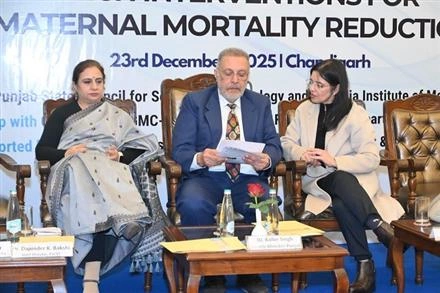
In a decisive move to strengthen maternal healthcare outcomes, the Punjab government has announced a comprehensive expansion of technology‑based interventions across all government health facilities aimed at significantly reducing the state’s Maternal Mortality Rate (MMR) — currently holding at approximately 95 deaths per 100,000 live births, above the national average of 88.
Punjab’s health authorities confirmed that the policy shift comes on the heels of promising results from pilot technology programs, especially those targeting leading causes of maternal deaths such as postpartum haemorrhage (PPH). The initiative, unveiled by Health and Family Welfare Minister Dr. Balbir Singh, underscores the state’s commitment to leveraging innovation for maternal health.
Scaling Up Proven Tech Interventions in Maternal Care
At a high‑level workshop on “Tech Interventions for Maternal Mortality Reduction” organized under the state’s flagship health reform platform, Mission Tandrust Punjab, officials detailed the government’s roadmap for rolling out advanced digital healthcare solutions.
Key elements include:
- Advanced maternal health monitoring systems integrated with facility reporting tools
- Real‑time data analytics to identify at‑risk pregnancies early
- Telemedicine support networks connecting remote sites with specialists
- Digital alert systems for emergency obstetric care
- Clinical decision support tools to assist frontline health workers
Collectively, these interventions aim to improve clinical outcomes, reduce preventable maternal deaths, and strengthen health facility capacities statewide.
Punjab Health Minister Dr. Balbir Singh highlighted that post‑pilot assessments showed measurable improvements in maternal care delivery — especially in emergency management of complications. Authorities are optimistic that expanding these digital solutions will help Punjab achieve the Sustainable Development Goal (SDG) target of reducing MMR to 70 per 100,000 live births.
Maternal Mortality: Why Action Was Urgent
Despite national strides in maternal health — with India’s overall MMR declining substantially due to factors such as higher institutional delivery rates — regional disparities persist. Recent national health data show that institutional deliveries in India have risen to around 89%, contributing to improved maternal outcomes.
However, Punjab’s unique challenges, including higher rates of anaemia among pregnant women, gaps in healthcare access in rural areas, and variable quality of emergency obstetric care, have contributed to an MMR above the national average. Previous reports noted that nearly one pregnant woman dies every ten days in Punjab — a stark reminder of the stakes involved.
Government Strategy and Healthcare Strengthening
State authorities have emphasized that technological solutions are just one pillar of an integrated strategy that also includes:
- Strengthening clinical protocols and emergency response training
- Enhanced monitoring and accountability frameworks for healthcare workers
- Upgrading infrastructural capacities at district and community hospitals
- Augmented training for midwives and obstetric specialists
Senior officials have urged frontline medical officers and administrators to adopt best clinical practices, leverage real‑time data, and collaborate across departments to ensure tangible improvements in maternal health outcomes.
Looking Ahead: India’s Maternal Health Trajectory
Punjab’s tech‑centric approach mirrors broader national health priorities. With India’s MMR trending downward thanks to expanded institutional deliveries and targeted healthcare reforms, states are increasingly adopting digital health monitoring platforms as part of maternal and child health portfolios.
The Punjab government’s initiative could set a model for other states grappling with stubbornly high maternal mortality, fostering innovation in maternal health technology, and improving equity in access to quality healthcare.