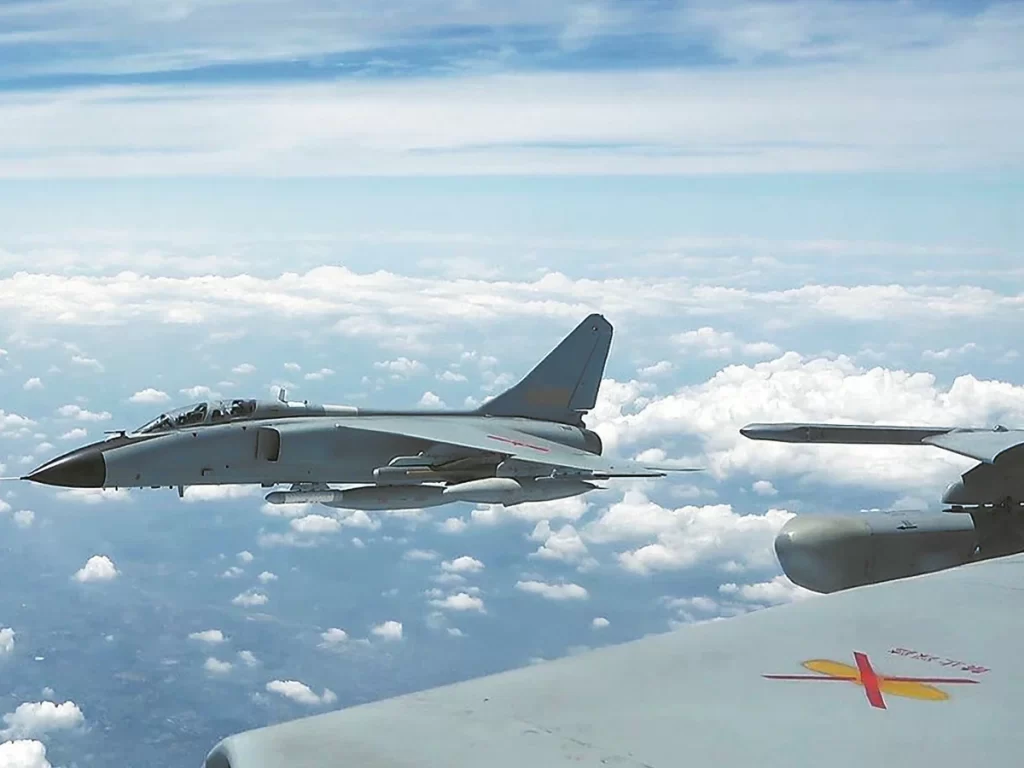
Beijing‑Taipei tensions surged on December 29, 2025, as China’s People’s Liberation Army (PLA) launched large‑scale military exercises codenamed “Justice Mission 2025” around Taiwan, marking one of the most significant displays of force in the region in years. The maneuvers—seen as a direct strategic response to a record‑breaking $11.1 billion U.S.–Taiwan arms sale—have heightened fears of instability in the Taiwan Strait and drawn global attention to the delicate balance of power in the Indo‑Pacific.
In a statement released by the PLA’s Eastern Theatre Command, the joint exercises involving army, navy, air force, and rocket units are designed to test combat readiness, encircle the self‑ruled island, and simulate blockades on key maritime targets. The drills span multiple zones across the strait—extending north, southwest, southeast, and east of Taiwan’s main island—and include intensive live‑fire components intended to convey China’s resolve to counter what it terms “separatist forces” and external interference.
Context: U.S.–Taiwan Arms Deal and Beijing’s Reaction
The PLA’s announcement follows closely on the heels of the Trump administration’s approval of a $11.1 billion arms package to Taiwan—the largest such sale in history. This deal includes advanced weaponry such as HIMARS rocket systems, howitzers, drones, and anti‑tank missiles, aimed at bolstering Taipei’s defensive capabilities and asymmetric deterrence strategy. U.S. officials have emphasized the sale as essential to maintaining peace and stability in the region and supporting Taiwan’s ability to defend itself against coercion.
Beijing condemned the arms sale, calling it a violation of China’s sovereignty and issuing repeated warnings that such actions would escalate tensions across the strait. Prior to the drills, China imposed sanctions on at least 20 U.S. defense firms and 10 executives tied to the weapons exports—underscoring the breadth of its political and economic responses.
Military Dynamics and Regional Responses
“Justice Mission 2025” is China’s sixth major military exercise encircling Taiwan since 2022, but significantly, it is among the most complex in scale and operational depth. The drills reportedly simulate blockades of Taiwan’s major ports, comprehensive sea‑air combat readiness patrols, and joint seizing of control over critical zones. Taiwan’s Defense Ministry has positioned its forces on high alert and carried out rapid response exercises, deploying mobile artillery and air assets—including U.S.–supplied systems—to demonstrate defensive readiness.
Taipei has strongly condemned the maneuvers as provocative and destabilizing, asserting that China’s actions undermine international norms and threaten regional peace. The Taiwanese government has also reiterated its commitment to safeguarding democratic governance and autonomy against coercive pressure.
Meanwhile, other regional actors have voiced concern. Japan’s leadership has previously signaled that a Chinese military move against Taiwan could trigger wider security commitments, reflecting the broader Indo‑Pacific security architecture and the implications for U.S. alliances in the region. Analysts note that these drills not only test PLA capabilities but may probe the resolve of U.S. and allied deterrence strategies.
Key Implications and Future Outlook
- Heightened Tensions: The timing and scale of “Justice Mission 2025” reflect Beijing’s willingness to leverage military pressure in response to external support for Taiwan.
- Military Posture: PLA operations simulate blockade and encirclement tactics, suggesting doctrine that could be used in higher‑level conflict scenarios.
- Strategic Signaling: By mobilizing across multiple service branches, China demonstrates integrated combat capability while underscoring strategic messaging to Taipei, Washington, and regional partners.
- Global Stakes: Given Taiwan’s central role in the global semiconductor supply chain and strategic maritime routes, any escalation affects not just local security but international economic stability.
As the drills continue through December 30 and analysts monitor reactions from Washington, Tokyo, and other capitals, “Justice Mission 2025” underscores how shifting defense ties and great‑power competition are reshaping security dynamics in East Asia—raising urgent questions about deterrence, diplomacy, and the prospects for peace in the Taiwan Strait.