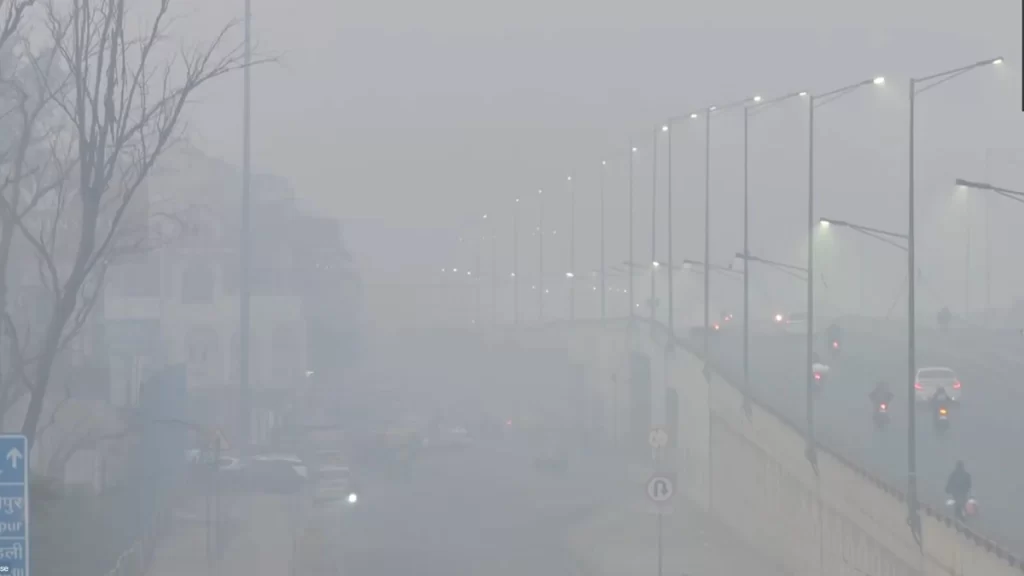
In an unprecedented corporate development, Rajkumar Bafna, President of Finance at Akums Drugs and Pharmaceuticals Ltd, has tendered his resignation, explicitly citing Delhi’s severe air pollution and related health concerns as the primary reason for his departure. The resignation, which marks an unusual nexus between environmental health and corporate leadership decisions, is set to take effect on December 31, 2025, shining a spotlight on the intensifying public health crisis in the Indian capital.
Executive Exit Linked to Escalating Air Quality Crisis
In an internal email dated December 3, 2025, Bafna informed Akums management that he was resigning “due to Delhi pollution level” and requested an expedited release from his duties, underscoring the chronic deterioration of air quality in the region. The company later acknowledged his resignation in a regulatory filing, attributing it to personal reasons while also referencing his health concerns linked to the hazardous environmental conditions.
This step is being viewed as rare and significant in India’s corporate history, with few — if any — previous instances of senior executives resigning primarily on environmental grounds. Analysts say it could set a precedent for how environmental health increasingly influences professional and lifestyle decisions among India’s corporate workforce.
Delhi’s Air Quality at Hazardous Levels
The resignation comes amid one of the worst air quality episodes in recent years, with the Air Quality Index (AQI) frequently hitting the ‘very poor’ to ‘severe’ categories, often crossing 400 — levels considered hazardous even for healthy individuals. Factors such as winter weather, crop burning in neighboring states, and urban emissions have compounded the crisis, prompting health advisories and emergency responses from authorities.
Health experts warn that prolonged exposure to such polluted air can trigger respiratory illnesses, exacerbate chronic conditions such as asthma and heart disease, and increase long-term cardiovascular and pulmonary risks. Local administrations have responded with Graded Response Action Plan (GRAP) measures, including construction curbs, vehicular restrictions, and advisories to limit outdoor exposure.
Corporate and Public Health Implications
Akums’ acceptance of Bafna’s resignation — with CFO Sumeet Sood stating that the company “regrets his decision but cannot persuade him given his health issue” — indicates growing corporate acknowledgment of environmental health as an influencing factor in employment decisions. Experts suggest this could encourage other professionals in heavily polluted urban centers to reassess work-life priorities and demand healthier living conditions.
Table: Key Timeline of Resignation Events
| Date | Event |
|---|---|
| Dec 3, 2025 | Bafna sends resignation email citing pollution |
| Dec 12, 2025 | Company acknowledges resignation |
| Dec 31, 2025 | Resignation officially takes effect |