In a pivotal political development ahead of the January 15, 2026 Maharashtra local body elections, major parties in Mumbai have finalized their seat‑sharing arrangements for the Brihanmumbai Municipal Corporation (BMC) polls, while alliance negotiations have collapsed in Pune, triggering strategic realignments across the state’s urban political landscape.
As civic elections approach across 29 municipal corporations, including India’s wealthiest civic body, political parties are racing to firm up electoral strategies amid intense contestation and shifting alliances. Mumbai’s seat‑sharing deal marks a significant breakthrough, even as Pune’s political compact fractures after deadlocked negotiations.
Mumbai’s Seat‑Sharing Deal Solidified
Following days of intense negotiations, the Bharatiya Janata Party (BJP) and the Eknath Shinde‑led Shiv Sena have finalized a comprehensive seat‑sharing formula for the 227‑ward BMC elections. Sources indicate agreements on allocation in approximately 200 wards, with both parties committing to strategic divisions of key urban constituencies in Maharashtra’s financial capital.
This arrangement comes after protracted talks that saw both sides navigate internal demands and external pressures, particularly over seat allocations in influential areas such as Dadar, Bhandup, and Sewri. Party strategists described the agreement as crucial to presenting a unified front and maximizing alliance strength against competitors.
Key highlights of the Mumbai arrangement include:
- Majority ward allocations agreed between BJP and Shiv Sena under the Mahayuti banner.
- Distribution of candidacies across diverse wards, balancing incumbent strength with strategic expansion plans.
- Continued discussions around alliances with regional partners such as the Maharashtra Navnirman Sena (MNS) and smaller local outfits, reflecting broader coalition dynamics.
The finalized seat sharing in Mumbai is widely seen as a stabilizing factor for the ruling Mahayuti coalition, strengthening its prospects in key urban battlegrounds where governance performance, civic infrastructure challenges, and local issues dominate voter sentiment.
Pune Talks Collapse, Realignment Underway
Contrasting sharply with Mumbai’s progress, seat‑sharing negotiations in Pune have broken down, significantly reshaping the opposition strategy for the Pune Municipal Corporation (PMC) elections.
Negotiations between rival factions of the Nationalist Congress Party (NCP) — particularly between the Ajit Pawar‑led NCP and the Sharad Pawar‑led NCP (SP) — failed to yield a cohesive alliance. Disagreements over symbol allocation, seat distribution, and party identity reportedly prevented an agreement, prompting the Sharad Pawar faction to reconsider alliance options with traditional opposition partners.
Key outcomes of the Pune seat‑sharing collapse include:
- Alliance breakdown between NCP factions, leaving major parties to contest independently or re‑negotiate coalitions.
- Sharad Pawar’s NCP (SP) exploring renewed ties with the Maha Vikas Aghadi (MVA), including Congress and Shiv Sena (UBT), as talks continue on equitable seat splits.
- Congress and Shiv Sena (UBT) engaging in separate seat‑sharing discussions, with both parties eyeing competitive allocations to maximize their electoral appeal.
The fallout in Pune underscores the fragility of traditional alliances in urban Maharashtra and reflects broader political recalibration ahead of future statewide contests. Analysts note that Pune — a politically significant metropolis with a highly mobilized electorate — could witness a multi‑cornered electoral battle owing to fragmented coalition strategies.
Competitive Urban Battlegrounds and Voter Stakes
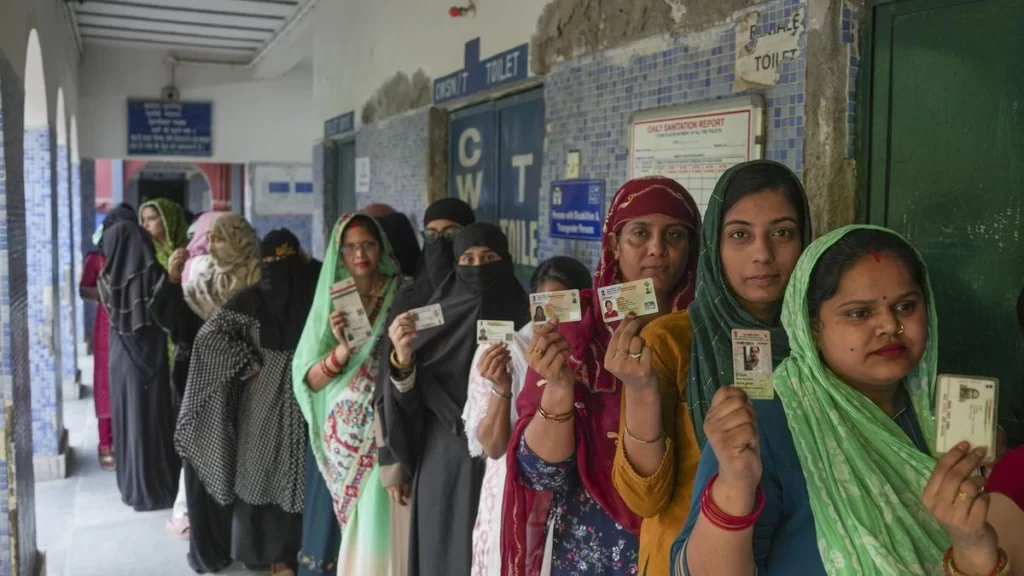
Across Maharashtra’s local body elections, parties are increasingly focusing on local governance issues such as infrastructure development, sanitation, housing, flood mitigation, and civic services. Mumbai’s finalized seat sharing provides clarity and momentum to candidates and workers, while Pune’s fractured alliances increase uncertainty and competitive dynamics among rivals.
Political observers assert that the January 15 polls will serve as a litmus test for party organization strength, alliance durability, and voter priorities in India’s urban centers. Success in these municipal elections could influence party confidence and strategies ahead of larger state and national polls.