The Special Intensive Revision (SIR) of electoral rolls in Uttar Pradesh has emerged as one of the most consequential electoral exercises in recent years, with the draft voter list proposing the deletion of nearly 2.89 crore names. The large-scale revision, which concluded on December 26, 2025, was carried out under the theme “Shuddh Nirvachak Namavali – Majboot Loktantra” (Clean Electoral Roll – Strong Democracy), reflecting the Election Commission’s stated goal of strengthening democratic integrity through accurate voter data.
Uttar Pradesh, India’s most populous state and a key battleground in national politics, has over 15 crore registered voters. Against this backdrop, the scale of the proposed deletions has drawn intense public attention and political scrutiny. Officials associated with the revision exercise have emphasized that the move is aimed at removing duplicate entries, deceased voters, migrated electors, and ineligible names, thereby ensuring a cleaner and more credible electoral roll ahead of future elections.
Rationale Behind the Massive Cleanup
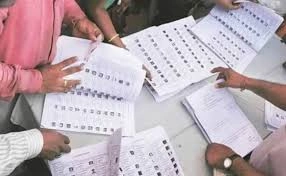
According to election authorities, the Special Intensive Revision was conducted using a multi-layered verification process that included door-to-door surveys, booth-level verification, and cross-checking with administrative records. The proposed deletions primarily fall into the following categories:
- Duplicate voter registrations
- Names of deceased individuals
- Voters who have permanently migrated
- Untraceable or unverified electors
Officials argue that such periodic revisions are essential to prevent electoral fraud, enhance transparency, and uphold the principle of “one person, one vote.”
Key Figures from the SIR Exercise
| Indicator | Number |
|---|---|
| Proposed deletions | ~2.89 crore |
| Statewide revision period | 2025 |
| Conclusion date | December 26, 2025 |
| Theme | Shuddh Nirvachak Namavali – Majboot Loktantra |
Political and Public Reactions
The scale of the deletions has sparked sharp political reactions across party lines. Opposition leaders have raised concerns over the possibility of wrongful exclusion of genuine voters, particularly among marginalized communities, migrant workers, and urban poor populations. They have demanded transparency in the verification process and safeguards to ensure that no eligible voter is disenfranchised.
On the other hand, the ruling establishment has defended the exercise, describing it as a necessary electoral reform to strengthen democratic institutions and eliminate long-standing inaccuracies in the voter database.
Civil society groups and election observers have also weighed in, calling for robust grievance redressal mechanisms and public awareness campaigns to help voters verify their status in the draft electoral roll.
What Comes Next
Election officials have clarified that the deletions are proposed, not final. A claims and objections window will allow citizens to contest removals, submit corrections, and seek re-inclusion if their names have been wrongly flagged. The final electoral roll will be published after this due process is completed.
Broader Implications for Democracy
The Uttar Pradesh voter list revision underscores the growing emphasis on electoral roll accuracy, democratic transparency, and institutional credibility. While a clean voter list is vital for free and fair elections, the success of the exercise will ultimately depend on how effectively authorities balance administrative rigor with voter inclusion.
As India prepares for future electoral contests, the outcome of this massive revision in Uttar Pradesh may well serve as a template—and a test case—for electoral reforms nationwide.