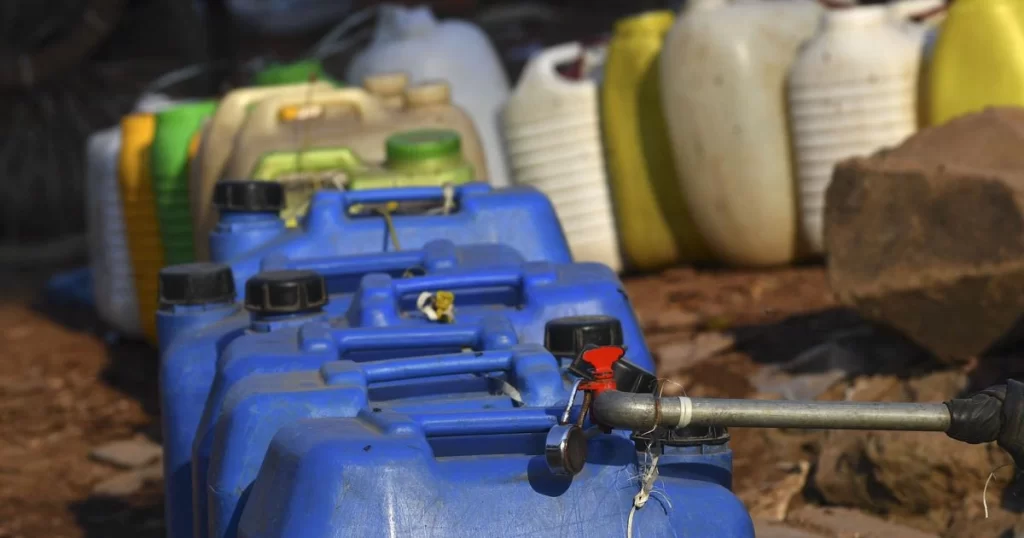
A severe public health crisis has unfolded in Indore’s Bhagirathpura area, where sewage contamination of the drinking water supply has led to multiple fatalities and left hundreds of residents seriously ill. The incident has sparked widespread concern over urban water safety, municipal negligence, and the urgent need for infrastructure reform in one of Madhya Pradesh’s most densely populated localities.
Contaminated Drinking Water Sparks Health Emergency
According to local health authorities, the outbreak was triggered by a breach in underground water pipelines that allowed untreated sewage to mix with potable water. Residents began reporting symptoms such as acute diarrhea, vomiting, high fever, and severe dehydration over the past week. Hospitals across Indore have since recorded a surge in admissions related to waterborne diseases, overwhelming local healthcare facilities.
Medical officials have confirmed that the fatalities are linked to acute gastrointestinal infections caused by prolonged consumption of contaminated water. Vulnerable groups, including children, elderly residents, and individuals with pre-existing health conditions, have been the worst affected.
Key Impact of the Bhagirathpura Water Crisis
- Confirmed deaths due to waterborne infections
- Hundreds of reported illnesses, with new cases emerging daily
- Contamination of municipal drinking water supply
- Emergency medical response activated across nearby hospitals
Public anger has intensified as residents allege that complaints about foul-smelling and discolored tap water were ignored for days before corrective action was initiated.
Municipal Response and Administrative Action
The Indore Municipal Corporation (IMC) has acknowledged lapses in pipeline maintenance and sanitation oversight. Emergency measures, including the shutdown of affected water lines, deployment of water tankers, and large-scale chlorination drives, have been implemented to contain the crisis.
A senior civic official stated that an internal inquiry has been launched to determine accountability for the sewage leak. Repair work on damaged pipelines is underway, and water quality testing has been intensified across adjacent wards to prevent further spread.
Immediate Measures Announced by Authorities
| Action Taken | Purpose |
|---|---|
| Water pipeline shutdown | Prevent further contamination |
| Distribution of clean water tankers | Ensure safe drinking water |
| Medical camps in Bhagirathpura | Early diagnosis and treatment |
| Water quality testing | Monitor contamination levels |
Broader Implications for Urban Public Health
The Bhagirathpura incident has reignited debate around urban infrastructure resilience and public health preparedness in rapidly growing Indian cities. Experts warn that aging pipelines, unchecked urbanization, and inadequate sewage management significantly increase the risk of water contamination outbreaks.
Public health specialists emphasize that without systematic upgrades to water distribution systems and stricter monitoring protocols, similar crises could emerge in other urban neighborhoods. The situation also underscores the need for faster grievance redressal mechanisms when residents report early warning signs.