
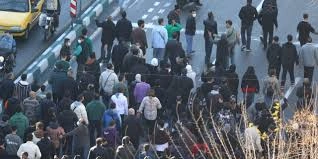
Iran is witnessing a renewed wave of nationwide anti-government protests that have entered their fifth consecutive day, underscoring deepening public anger and political instability across the country. As of January 2, 2026, at least seven people have been confirmed dead following violent clashes between demonstrators and security forces, marking one of the most serious episodes of civil unrest in recent months.
The protests, which began as localized demonstrations, have rapidly spread to multiple cities, reflecting widespread dissatisfaction with governance, economic conditions, and restrictions on civil liberties. Chanting slogans critical of the state leadership, protesters have gathered in urban centers and provincial towns alike, signaling that the unrest is not confined to any single region or social group.
Escalation of Violence and Security Crackdown
Authorities have responded with a heavy security presence, deploying police units and other forces to disperse crowds. Reports from within the country indicate that confrontations have intensified, with security forces using force to regain control of public spaces. The resulting violence has led to multiple fatalities and numerous injuries, further inflaming public sentiment.
Key characteristics of the current unrest include:
- Nationwide protests spanning major cities and regional hubs
- Anti-government demonstrations driven by political and economic grievances
- Violent clashes between protesters and security forces
- Confirmed deaths highlighting the severity of the crackdown
The Iranian government has emphasized the need to maintain public order, warning against what it describes as unlawful gatherings. At the same time, officials have accused external actors of fueling unrest, a claim frequently made during previous protest movements.
Economic Pressure and Public Discontent
Analysts note that the protests are unfolding against a backdrop of sustained economic pressure, including high inflation, unemployment, and declining purchasing power. For many Iranians, these challenges have compounded long-standing frustrations over governance and limited political freedoms.
“The scale and persistence of these demonstrations point to a broader crisis of confidence,” said a regional political analyst. “When protests continue for several days despite a strong security response, it suggests that underlying grievances remain unresolved.”
Key Factors Driving the Protests
| Factor | Impact on Public Sentiment |
|---|---|
| Rising inflation | Erosion of household incomes |
| Unemployment | Youth frustration and social unrest |
| Political restrictions | Calls for greater freedoms |
| Security crackdowns | Escalation of tensions |
Regional and Global Implications
The ongoing unrest has drawn close attention from the international community, given Iran’s strategic importance in the Middle East. Prolonged instability could have ripple effects beyond its borders, influencing regional security dynamics and diplomatic engagements.
As the protests enter a critical phase, observers warn that the coming days will be decisive. A further escalation in violence could deepen the crisis, while any meaningful de-escalation would likely require political dialogue and economic relief measures.
For now, Iran remains on edge, with nationwide anti-government protests continuing to challenge the authorities and reshape the country’s political landscape.

