
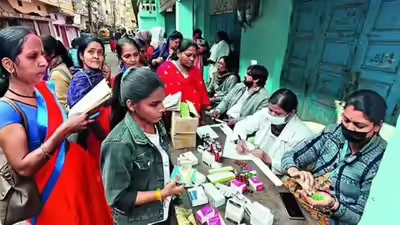
Indore, widely celebrated as India’s cleanest city for consecutive years, is grappling with an unprecedented public health emergency after a mass water contamination outbreak in the Bhagirathpura locality. The incident has shocked residents and civic authorities alike, raising serious questions about urban water safety, infrastructure resilience, and crisis preparedness in rapidly growing Indian cities.
A Sudden Crisis in a Model City
The water contamination outbreak came to light in early January 2026 when hospitals and clinics in Indore reported a sharp surge in patients suffering from acute gastrointestinal illnesses. Symptoms such as severe diarrhoea, vomiting, abdominal pain, and dehydration were reported across age groups, with children and elderly residents being the most affected.
Preliminary assessments by municipal health officials indicate that the contamination originated from the local water distribution network in Bhagirathpura. The affected supply reportedly mixed with untreated wastewater, leading to widespread exposure before authorities could intervene. As a precautionary measure, water supply to the locality was immediately suspended, and emergency medical camps were set up to manage the escalating health crisis.
Key Facts at a Glance
- Affected area: Bhagirathpura, Indore
- Nature of crisis: Mass water contamination outbreak
- Primary impact: Waterborne diseases and hospital overload
- Response status: Emergency declared, supply suspended, investigation ongoing
Health and Administrative Response
The Indore Municipal Corporation (IMC), in coordination with the state health department, has declared the situation a public health emergency. Medical teams have been deployed for door-to-door health checks, while tanker-supplied drinking water is being distributed to prevent further exposure.
Senior officials have confirmed that water samples are undergoing laboratory testing to identify the exact contaminants and assess the scale of the damage. Simultaneously, a technical audit of the city’s water pipelines in the affected zone has been initiated to trace structural faults, leakages, or illegal connections that may have caused the contamination.
Hospitals across Indore have been placed on high alert, with additional beds and emergency supplies allocated specifically for waterborne disease cases. Public advisories urging residents to boil water, avoid street food, and maintain strict hygiene have been widely circulated.
Implications for Urban Governance
The crisis has cast a shadow over Indore’s reputation as a benchmark for urban cleanliness and governance. While the city has earned national recognition for sanitation and waste management, the current emergency underscores a critical gap in water infrastructure monitoring and risk management.
Urban health experts warn that aging pipelines, unchecked urban expansion, and climate-related stress on water systems are increasing the risk of such incidents in Indian cities. The Indore water contamination case may serve as a wake-up call for municipal bodies nationwide to prioritize water quality surveillance alongside cleanliness drives.
Looking Ahead
As containment efforts continue, the focus is gradually shifting toward accountability and long-term prevention. Authorities have promised strict action against negligence if lapses are confirmed, along with accelerated upgrades to the water distribution network.
The Bhagirathpura outbreak stands as a stark reminder that urban excellence is incomplete without robust public health safeguards. For Indore, restoring public trust will depend not only on swift recovery but also on transparent action to ensure that such a crisis does not recur in the future.

