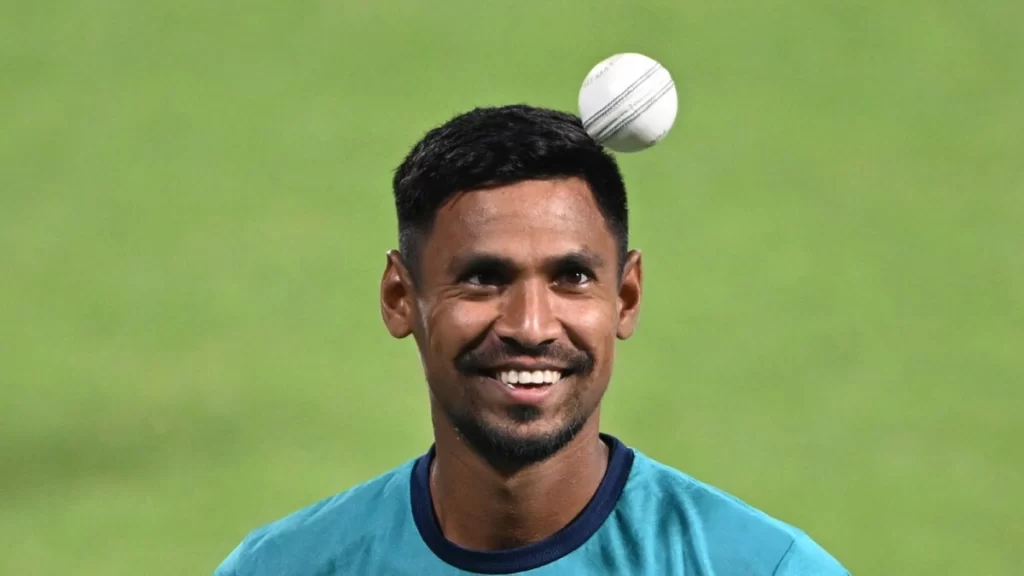
The inclusion of Bangladeshi fast bowler Mustafizur Rahman in the Kolkata Knight Riders (KKR) squad for the upcoming Indian Premier League (IPL 2026) has triggered a fierce socio‑political storm across India. Purchased for a record ₹9.20 crore at the December 2025 mini‑auction, Rahman’s signing — the highest ever for a Bangladeshi cricketer — has sparked heated debate on nationalism, sports diplomacy, and cultural sensitivities.
The controversy has rapidly moved beyond cricketing circles, attracting sharp criticism from political leaders, religious figures, and grassroots groups. While supporters of Mustafizur Rahman argue that sport should transcend national tensions, opponents are calling for a boycott of the player and the franchise, alleging the signing disrespects Indian sentiments amid ongoing regional tensions.
Political Backlash and Nationalism Debates
Bharatiya Janata Party (BJP) leaders have emerged as vocal critics. Former Uttar Pradesh MLA Sangeet Som labelled Bollywood icon and KKR co‑owner Shah Rukh Khan a “traitor” for backing the decision, asserting that Rahman’s inclusion undermines national sentiment given reports of violence against Hindu minorities in Bangladesh. Such comments have amplified calls from some quarters to ban Rahman from competing on Indian soil.
Similarly, Pyare Khan, chairman of the Maharashtra State Minorities Commission, urged Shah Rukh Khan to exclude Bangladeshi cricketers from IPL squads, highlighting broader considerations of minority persecution and India’s cultural stance. These sentiments underscore how sporting decisions are now being conflated with political identity and nationalism in public discourse.
Religious Leaders Join the Fray
Religious leaders have also fuelled the debate. Prominent spiritual figures, including Devkinandan Thakur, have publicly criticised KKR’s decision, claiming that including a Bangladeshi player hurts the sentiments of Indian Hindu communities. In some instances, religious groups in Ujjain issued warnings of potential disruptions during IPL matches should Mustafizur Rahman take the field.
The involvement of such voices highlights a growing trend where religious sentiment intersects with sports diplomacy, raising questions about the role of cultural identities within entertainment and global sports platforms.
BCCI’s Stance and Legal Context
Amid rising tensions, the Board of Control for Cricket in India (BCCI) has taken a cautious approach. Officials confirmed that there is no legal or regulatory barrier to Mustafizur Rahman playing in the IPL, clarifying that no government directive has been issued to restrict Bangladeshi players from participating. The BCCI’s position emphasises that, under existing rules, international players — regardless of nationality — remain eligible for IPL selection.
A senior BCCI source reiterated, “Bangladesh is not considered an enemy country, and we have not received any communication from the government directing us to prevent Bangladesh players from participating in the IPL… so the matter is not in our hands.”
Public Reaction and Social Media Debate
Across social media platforms, hashtags such as #BoycottKKR and heated public discussions reflect the polarised public mood. Supporters of Mustafizur Rahman argue that sport should remain inclusive and free from political pressures, with critics warning of broader diplomatic repercussions. Analysts suggest the row illustrates the growing intersection of sports, politics, and nationalism in the digital age.
Controversy at a Glance: Key Points
| Aspect | Details |
|---|---|
| Player Signed | Mustafizur Rahman (Bangladesh) |
| Franchise | Kolkata Knight Riders (KKR) |
| Auction Price | ₹9.20 crore (record for Bangladeshi player) |
| Main Issues | Nationalism, religious sensitivities, political rhetoric |
| Governing Body Position | BCCI allows participation; no legal ban in place |