
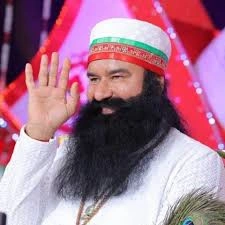
Dera Sacha Sauda chief Gurmeet Ram Rahim Singh walked out of Sunaria jail in Rohtak on January 5, 2026, after being granted a 40-day parole, once again placing the controversial religious leader at the center of national attention. This is the 15th time Ram Rahim has been released from prison since his conviction in 2017, reigniting debates over parole policies, judicial discretion, and the political and social implications of repeated temporary releases for high-profile convicts.
Background of the Case
Gurmeet Ram Rahim Singh is serving a sentence following his conviction in 2017 in a high-profile rape case. The verdict had triggered widespread unrest in parts of Haryana and Punjab, leading to massive security deployments and long-lasting political repercussions. Since then, Ram Rahim has remained incarcerated at Sunaria jail, Rohtak, except during periods of parole and furlough granted by authorities.
Over the past eight years, his repeated releases—often coinciding with religious events, elections, or health-related grounds—have drawn sustained public scrutiny. The latest 40-day parole adds to a growing record that critics argue reflects preferential treatment, while supporters maintain it is within the bounds of law.
Key Details of the Latest Parole
According to official sources, the parole was granted under existing prison rules, which allow temporary release subject to conditions such as:
- Restriction on public gatherings and sermons
- Prohibition on political activity
- Mandatory adherence to security guidelines
- Regular reporting to local authorities
Security arrangements have been tightened in Haryana and adjoining states to prevent any law-and-order issues, given Ram Rahim’s large follower base.
Public and Political Reactions
The news of Gurmeet Ram Rahim Singh’s parole has triggered mixed reactions:
- Criticism: Opposition leaders and civil rights activists have questioned the frequency of his releases, calling for greater transparency and uniformity in parole decisions.
- Support: Followers of Dera Sacha Sauda welcomed the move, terming it a humanitarian gesture and asserting their faith in the legal system.
- Administrative Response: State authorities have reiterated that parole decisions are taken strictly according to rules and not influenced by political considerations.
This recurring cycle of release and criticism has kept the issue alive in public discourse, particularly around election seasons, when allegations of political mileage often surface.
Why This Parole Matters
The 15th parole of Gurmeet Ram Rahim Singh is significant not only because of its frequency but also due to its broader implications:
- It raises questions about parity in the treatment of prisoners
- It highlights the intersection of religion, law, and politics in India
- It underscores the need for clearer communication on parole criteria for convicted individuals

