
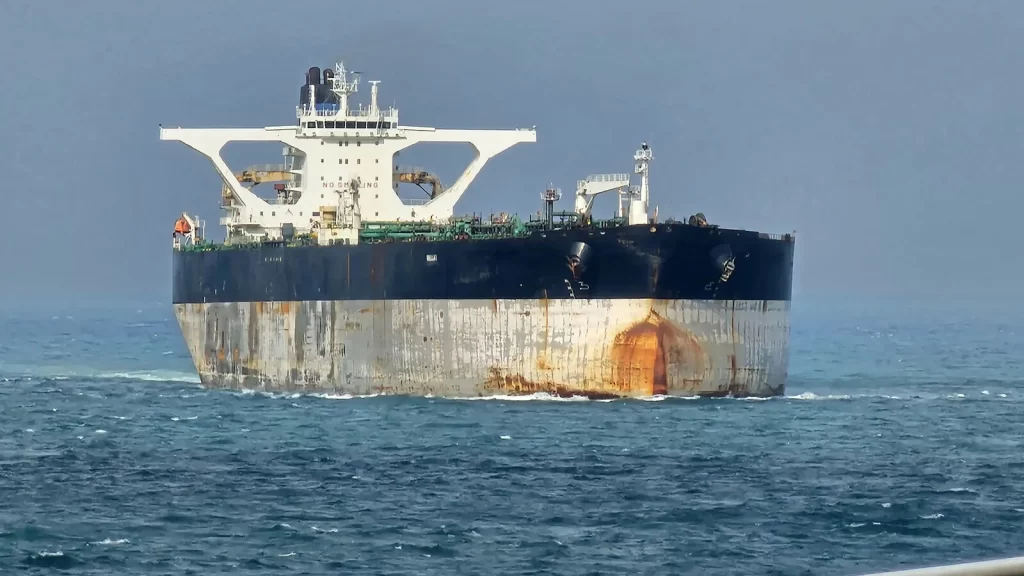
The United States has announced it will control Venezuelan oil sales indefinitely, marking a dramatic escalation in the long-running US-Venezuela conflict following the capture of Venezuelan President Nicolás Maduro. The move, described by U.S. officials as a strategic effort to drive political transition in Caracas, places Washington in direct control of one of the world’s largest oil reserves and signals a profound shift in global energy and geopolitical dynamics.
The decision follows a series of coordinated pre-dawn operations in which U.S. forces seized two oil tankers linked to Venezuela’s so-called “shadow fleet,” including a vessel flying a Russian flag. Officials said the operations were designed to disrupt sanction-evasion networks that have allowed Venezuela to export crude despite years of international pressure. The tanker seizures underscore Washington’s readiness to enforce its policy militarily while tightening economic control over Venezuela’s oil sector.
Oil as a Tool for Political Pressure
According to senior U.S. officials, the United States will oversee the sale and distribution of Venezuelan crude oil “for the foreseeable future,” with revenues placed under controlled mechanisms rather than directly returned to state entities previously loyal to Maduro. The policy is framed as part of a broader strategy aimed at political stabilization, economic recovery, and eventual democratic transition.
Venezuela possesses some of the largest proven oil reserves globally, making petroleum the backbone of its economy. By controlling oil exports, the United States gains significant leverage over Venezuela’s financial lifelines, potentially reshaping the country’s internal power structures while limiting the influence of rival global powers.
Global and Market Implications
The announcement has sent ripples across global oil markets, with analysts warning that the release of additional Venezuelan crude could influence pricing dynamics in the short term. While increased supply may ease pressure on energy prices, uncertainty remains over Venezuela’s aging infrastructure and its ability to sustain long-term production.
Geopolitically, the move has heightened tensions with Russia and China, both of which have maintained economic and strategic ties with the Maduro government. Moscow has condemned the seizure of a Russian-flagged tanker, while Beijing has raised concerns over sovereignty and unilateral economic control. These reactions highlight the broader implications of the U.S. action within an already fragile global order.
Regional Reactions and Sovereignty Concerns
Across Latin America, the U.S. decision has drawn mixed responses. Some governments have cautiously welcomed the prospect of political change in Venezuela, while others have expressed alarm over what they view as a violation of national sovereignty. Public demonstrations have emerged in several countries, reflecting fears that external control over natural resources sets a troubling precedent.
Within the United States, legal experts and lawmakers have also raised questions regarding the scope of executive authority in managing foreign oil assets, signaling potential domestic debate as the policy unfolds.
What Lies Ahead
As Washington tightens its grip on Venezuelan oil sales, the future of Venezuela’s governance, economy, and international standing remains uncertain.
Key issues to watch include:
- The establishment of long-term mechanisms for oil revenue management
- Reactions from global energy markets and major oil-importing nations
- Diplomatic fallout with Russia, China, and regional allies
- Efforts to rehabilitate Venezuela’s deteriorated oil infrastructure
The U.S. move to control Venezuelan oil sales indefinitely represents one of the most consequential energy and foreign-policy interventions in recent years, with implications that extend far beyond Venezuela’s borders.

