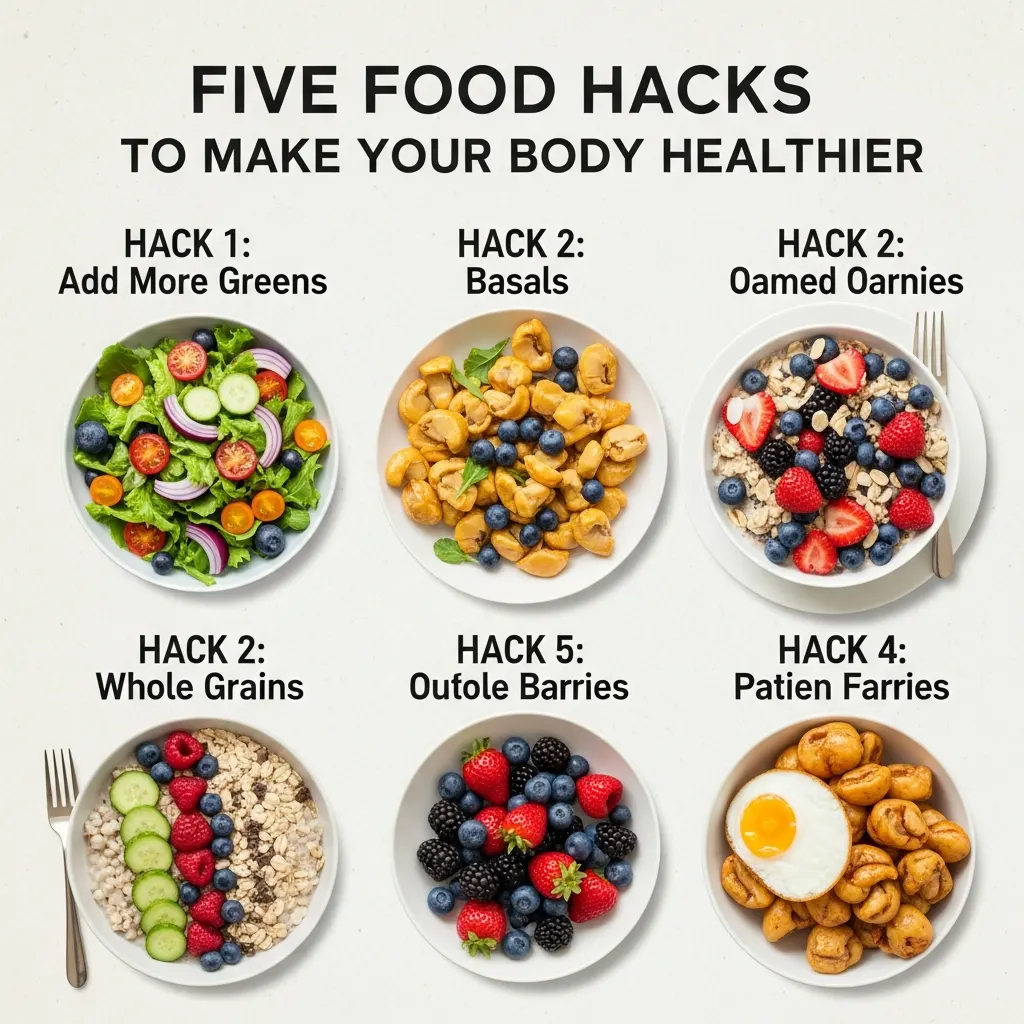
There is a lot of nutritional noise these days. If you open any social media app, you’ll get a lot of different advise that doesn’t agree with each other. Carnivore is the best. Be a vegan. Don’t eat for 16 hours. Every day, eat six small meals. It makes dining feel like a math test instead of a normal thing for people to do, and it’s tiring.
But what if you didn’t need to change your diet completely? What if you could see big changes in your energy, body composition, and mental clarity without cutting out whole food groups or starving yourself?
The research of metabolic flexibility and glucose stabilization, which is at the cutting edge of modern nutrition science, has shown that how you eat is sometimes just as important as what you consume. You can modify how your body uses energy by changing the physics and chemistry of the food you eat. You can change your biology without hating your life.
These aren’t just stories that old women tell. These are science-based ways to use your body’s hormones to reduce insulin, make you feel full, and burn fat more effectively. Starting today, here are five food tricks that will help your body.
- “Dress” Your Carbs (The Art of Sequencing)
Most of us learned to think of a meal as a mound of food that we could eat in any order we wanted with our fork. First, we eat some bread, then some chicken, and maybe a few nibbles of salad.
This is not right from a biological point of view. The way food enters your stomach affects how your whole body reacts with hormones.
When you eat “naked carbs,” which are starches or sugars eaten on an empty stomach, they quickly move into your small intestine. There is no wall. The glucose gets into your blood quickly, like a tidal wave. Your pancreas gets scared and releases a lot of insulin into your body to lower the sugar level. This causes the dreaded “spike and crash,” which is followed by cognitive fog and cravings two hours later.
The trick is to never let a carb go down bare. “Cover” it with protein, fat, or fiber.
Even better, alter the order in which you consume. First, eat your vegetables (fiber). After that, consume your fats and proteins. Put off eating the carbs and sugars (such rice, pasta, fruit, and dessert).
The Science: Eating veggies initially makes a fibrous web in your small intestine. This works like a bouncer at a club, slowing down the absorption of glucose from the carbs you eat later. Studies suggest that you can lower the rise in blood sugar after a meal by up to 73% only by modifying the order in which you eat the foods (not the foods themselves). Saving the bread for the end of the meal is what makes the difference between a diabetic response and a healthy response.
- The Pre-Game with Vinegar
It sounds like something your grandma might have told you to do if you had a stomach pain, but the science behind vinegar is strong and interesting.
Acetic acid, which is what makes vinegar work, is a strong metabolic regulator. Before a meal, it accomplishes something amazing: it temporarily shuts down alpha-amylase, the enzyme that breaks down starch into sugar.
The Trick: Drink one tablespoon of vinegar mixed with a tall glass of water 10 to 20 minutes before a meal that is high in carbs. Balsamic glaze is full of sugar, so it can’t be apple cider vinegar (ACV), white vinegar, or rice vinegar.
The Science: The vinegar slows down the digestion of the carbohydrates you ingest by partially blocking alpha-amylase. The sugar doesn’t overwhelm your bloodstream; it trickles in. Also, acetic acid tells your muscles to absorb glucose more quickly as soon as it enters the circulation, which makes your insulin sensitivity higher right away.
What happened? Your body acts like you ate a lot less pasta than you did. Your energy stays the same, your insulin stays low (which is important for burning fat), and you don’t have the inflammatory effects of a meal high in sugar.
- Cool Down Your Starches (The Retrogradation Miracle)
Because they have a lot of sugar, we’ve been taught to think of white potatoes, white rice, and pasta as “bad” foods. But there is a way to change the chemistry of starch such that these meals become superfoods that heal the gut.
This is what retrogradation is.
When you heat a starchy food like a potato, the starch granules swell and break apart. This is called gelatinization, and it makes the food easier to digest (and raises your blood sugar). But if you put that potato in the fridge for at least 12 to 24 hours, the starch molecules will recrystallize. They get tighter and alter shape, turning into “resistant starch.”
The Hack: Get your starches ready ahead of time. You may cook your rice, potatoes, or pasta a day ahead of time, cool them in the fridge, and then heat them up when you’re ready to eat.
The Science: The small intestine does not break down resistant starch. It doesn’t get absorbed and goes straight to the colon, where it nourishes the healthy bacteria in your gut (the microbiome). These bacteria break down the starch and make butyrate, a short-chain fatty acid that lowers inflammation, repairs the lining of the stomach, and makes insulin work better.
Cooling your potatoes lowers their glycemic index and changes them from a “fat-storing” food to a fat-burning, gut-feeding prebiotic. And sure, the impact stays even after you cook the food again.
- The Rule for a Tasty Breakfast
We in the West have made it normal to eat dessert for breakfast. Pancakes with syrup, muffins, granola (which is essentially oats stuck together with sugar), and juice.
This is like starting your automobile in fifth gear for your metabolism.
When you eat a lot of sugar first thing in the morning, you start a “glucose roller coaster” that lasts all day. The huge rise in insulin makes your blood sugar drop around 10:00 AM, which makes your body produce hunger hormones (ghrelin) and stress hormones (cortisol). You aren’t just hungry; your body is telling you to find more sugar.
The Hack: Change your breakfast to one that is flavorful and heavy in protein and healthy fats. Eggs, avocado, leftovers from dinner, smoked salmon, or Greek yogurt with almonds (not honey) are some ideas.
The Science: A breakfast high in protein doesn’t raise blood sugar. It gives you energy in a calm, steady way. Keeping your insulin curve flat in the morning lets you control your hunger signals for the remainder of the day. You won’t want to snack in the afternoon at all. Instead of relying on the next blast of fast sugar, you are educating your body to use its own fat stores for energy (metabolic flexibility).
- The “Wal-Mart Walk” (Movement After Eating)
Italians go for a passeggiata, or evening walk, after dinner for a reason. It’s not just for socializing; it’s a natural way to stay healthy that contemporary science has thoroughly shown.
After a big lunch, most of us sit down. We sit at our desks or on the couch. When we do this, the glucose from our food goes into our blood, but our muscles don’t need the energy because they’re not moving. The pancreas has to pump out a lot of insulin to store the energy as fat since the glucose has nowhere to go.
The Trick: Get up and move for 10 minutes within 45 minutes of eating a meal. This doesn’t mean a run or an HIIT workout. It means going for a little stroll, washing the dishes, or even just doing some calf raises as you watch TV.
The Science: Muscles soak up glucose. It takes energy to contract a muscle. Walking just after eating allows your muscles to take up the glucose in your blood without needing as much insulin. You are reducing your blood sugar curve by hand.
This simple act of “using” the food you just ate stops your body from storing extra energy and greatly lowers the oxidative stress and inflammation that happens after a big meal.
The End: Biology beats Willpower
These methods are great since they don’t depend on willpower. Biology is always there, but willpower is not.
Diets don’t work because they make you go against your body’s natural instincts, like ignoring hunger and urges and making you suffer. These tricks work because they work with your body. They respect how the body uses energy.
You’re not merely “dieting” when you sequence your meals, use vinegar, cold your starches, have savory breakfasts, and move after meals. You are telling your body that it is safe. You’re lowering your insulin levels, reducing inflammation, and finally giving your metabolism the break it needs to work the way it was meant to.
You don’t need a new body. All you have to do is provide the one you have the appropriate instructions.