
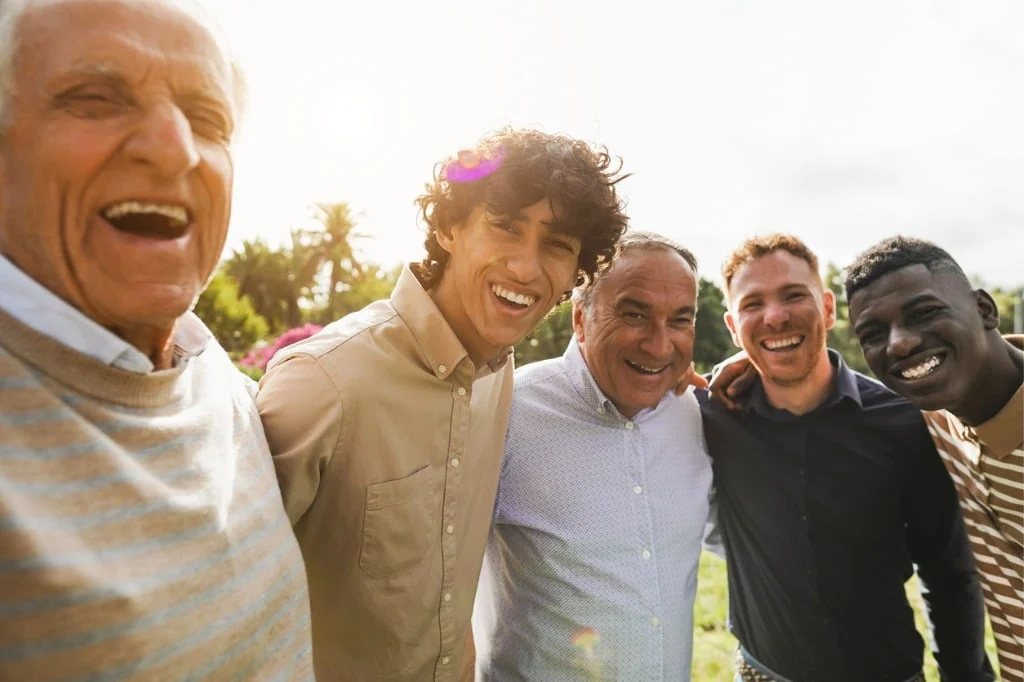
The economy, technology, and cultural norms have all changed, so success looks different to each age group. People of different ages have diverse notions about what it means to be successful. For instance, Baby Boomers want to feel safe, whereas Gen Z wants to be real.
The Fundamentals of Generations
The “Baby Boomers” were born between 1946 and 1964. They became successful because they lived in a time of enormous riches after World War II. They wanted a job that would last their whole lives, a place to live, and money to live on when they retired. They moved to a place where school and housing were cheap (roughly three times what they made in a year), which helped them do better at work. When Generation X (1965–1980) didn’t have enough money or had problems with their families, they adjusted what was important to them. They cared more about independence and balance than allegiance, and they often had more than one job at a time.
The 2008 crisis hurt millennials (born between 1981 and 1996), but they still wanted to work for a cause. They had $1.7 trillion in education debt, which made it hard for them to reach important life goals like getting married. People born between 1997 and 2012 are part of Generation Z. They are good with technology and care about the environment. Creator economies let them create money on their own terms.
The Boomers’ Lasting Legacy
As long as they were safe, boomers thought they were doing well. This means that they worked for the same company for more than 20 years, owned a house with a lot of equity, and had a retirement plan that paid out 70% of their last paycheck. This was easier because there were strong unions and public university tuition was less than $1,000 a year in actual terms. But globalization made these cornerstones weaker later on, which prompted a lot of people demand more diversity.
Their model put more importance on things than on experiences. This kind of thinking comes from rebuilding after wars that have happened all across the world. The Federal Reserve claims that Boomers now have more than half of all the money in the U.S. This shows how much fun they had.
How well Gen X can take care of themselves
Kids from Generation X grew up when the dot-com bubble burst and latchkey kids were widespread. They assumed that being able to work alone, having talents that could be utilized anywhere, having flexible hours, and having other jobs on the side indicated they were successful. Pew Research says that 60% of respondents who changed jobs did so to earn more money or have a better work-life balance. This is why it became normal to work from home. Trends in divorce in their families let them stay together without losing their employment.
They are worth an average of $250,000 when they turn 40. This is because the expense of caring for elderly people goes up by 20% every year, and they have to pay for their offspring who are in their 20s. They are quiet people who help others make money by linking different times. They don’t like being in charge, but they know how to do it.
What do millennials want?
Millennials don’t like “grind culture” because they want to make the world a better place. A research by Deloitte indicated that 70% of them would rather change the world. One in three freelancers on Upwork is an entrepreneur or works on a gig platform. Even if their income stays the same, these jobs allow people be their own bosses. After the recession, they made therapy and FIRE techniques popular. They also value travel funds more than quick property purchases.
People can avoid getting burned out by resigning quietly, and ESG standards are changing the way firms work. A lot of individuals don’t buy homes until they’re 35, and it’s not because of “avocado toast” or anything like that.
Gen Z’s Real Job Gallup claims that 82% of Gen Z members won’t work for companies that aren’t diverse. Micro-influencers on TikTok can earn as much as $10,000 a month. EY says that 48% of people are interested in businesses that don’t follow the rules and instead use AI tools and creator economies. The greatest strategies to be successful are to take care of your mental health and use financial instruments like Robinhood, as inflation is between 3% and 5%.
It’s important to be involved in DEI, and being a digital nomad lets you work and travel at the same time. People who work on the side are happy, and people think that technology makes things more fair.
Stress and Bridges
People over 50 call it “laziness,” and people under 30 call it “hustle porn.” But people can still help each other in hybrid workplaces. For example, Google combines the knowledge of Boomers with the creativity of Z, which keeps consumers on the site 25% longer. There are still big differences in how much money people have. For example, 52% of Baby Boomers and 9% of Millennials live in income apartments from the 1980s that cost an average of $75,000.
Z wants to see UBI experiments, but there are problems with the rules, like with Social Security. Boomers in India wanted government jobs, but now young people in Pune want to work in green tech and fintech.
How technology could affect things
Boomers utilized computers, Gen X used the internet, millennials used cellphones, and Gen Z used AI. It’s more important to have more than 500 LinkedIn contacts than what your work title is. You may make money with crypto quickly, but it’s also dangerous. People from all over the world can talk to each other via remote technology. This is especially important in places like Pune where IT is big.
AI does a lot of the work for individuals, therefore being creative is now the most important thing.
Various Cultures The U.S. cares a lot about being free, while the Nordics care a lot about remaining healthy. India’s cities are getting bigger, much like Boomers’ stability is shifting to Z’s Web3. Maharashtra is getting more and more eco-friendly things that can stand up to the rain.
Effects on a bigger scale
When people from different generations get along, they can work together to be stronger and come up with new ideas. As 2026 goes on and President Trump focuses on merit, hybrid success models may become more common. This will make things more equitable in the future.

