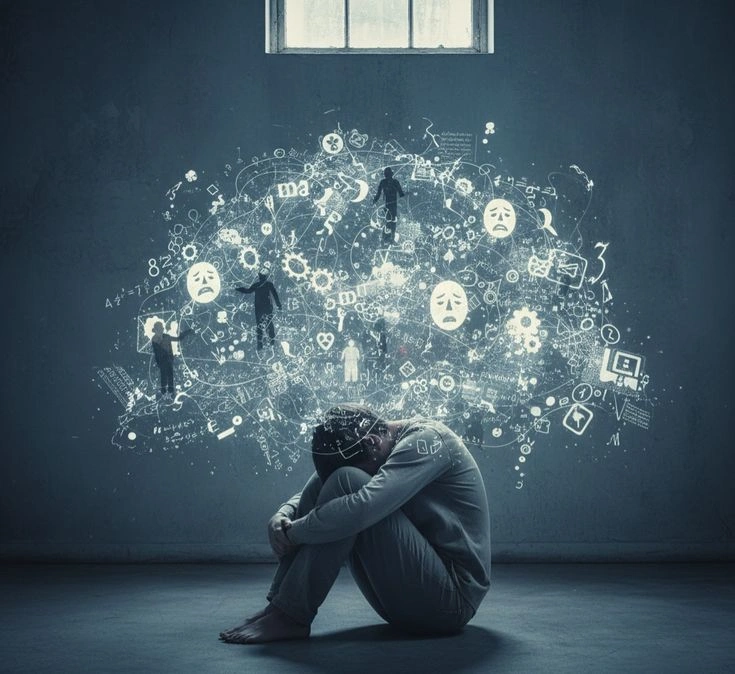
In January 2026, millions of people began recording unedited videos on TikTok about their worst regrets. The “Regret Confessionals” movement started about this period. This trend that is going around is more than just fun; it gets people to talk about themselves and their lives in a big way, which changes the way they think.
The beginning of Regret Confessionals
In January 2026, the TikTok Regret Confessionals fad started. The sad music that the videos that came out at the end of the year were based on was popular. During the first week, people who made things started sending in “what if” stories about things like missed job opportunities, unspoken loves, or stupid choices that ruined their lives. These short, honest videos were seen by hundreds of millions of people.At first, it was just a trip down memory lane. But over time, it became into a healing ritual where people made fun of their regrets in amusing performances that gained a lot of attention.
If a video is brief and easy to understand, if it pertains to everyone, if it plays on people’s anxieties of missing out, and if it is very participatory, like reaction videos that get people more involved than ordinary uploads, it is more likely to become viral.
We have transformed how we think about games.
This tendency changes how people think by making it normal to think about yourself in public, which goes against the idea of social media as a “highlight reel.” Users go from well-planned perfection to real exposure instead than reacting straight away, which makes them think more deeply. Studies show that using platforms too much can make it harder to make decisions. Confessionals, on the other hand, can make individuals think again, which might help them be more open-minded.
You also need places where you can hear your own voice. When people are all feeling horrible about the same things, they usually congregate together. People who are narrow-minded may become more stubborn, which makes it harder to see the big picture. Teenagers are very aware of what their friends think, thus comparing themselves to others could make them feel horrible about themselves. Talking about their difficulties could help them feel less alone. You could get annoyed if you use something a lot, but this kind of therapy trend could benefit by making you stronger through social catharsis.
AI-driven personalization makes these impacts stronger by giving each person information about their past that makes them feel bad.People are more interested in this, but they are also more inclined to rely on it too much. When people spend too much time in front of a screen, they can lose their ability to care for others. Interactive admissions can help people reconnect with each other online.
How it affects everyone in society
Regret Confessionals is a step toward making the internet more private in 2026. These are private groups on apps like Discord and Instagram Channels where people can discuss about their ideas without anyone else being able to see them. Putting actual communication ahead of metrics is making brands more fair. Because of this trend, more people are talking about mental health. AI tools help users find movies or books that make them think hard about who they are.
Statistics show how far it has spread: hundreds of millions of views in just a few days, tens of thousands of comments on the most popular clips, a lot of younger people getting involved, and a link between talking to others and feeling less lonely.
If you’re sick of algorithms, private groups are an excellent choice because they emphasize connection ahead of scrolling all the time. It makes people from different cultures think about how they act when they are among young people in Nagpur and other locations across the world.
Fears and Risks
Not all outcomes are advantageous. You can start to doubt yourself if you compare yourself to others, which could make you sadder. When people hear awful things about themselves, they could act quickly, which makes it hard for them to restrain themselves. When you rely too much on what other people think, it’s harder to think for yourself. Addiction patterns reveal that the mind can only do so much.
Platform designs use surprise signals to make games look like they are really important, which helps. People who don’t like “performative vulnerability” assume that shares are more interested in becoming famous than in helping people. A lot of things can make young adults sick.
Regret what will happen In private, confessionals could become AI-led support groups where people can talk about their problems and get real help. As search engines get better at finding real events, these stories might change what people look for in 2026. It can help people change the way they think, but only if they don’t use it too much.If not, it might make problems worse by getting people to think together.
People desire habits that are conscious of themselves, but those in control want to limit features that make people more prone to get hooked. In short, this trend shows that social media is changing from a way to pass the time to a way to learn more about yourself.