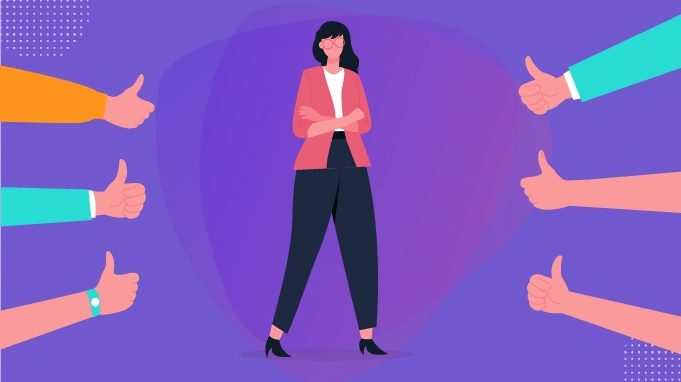
These days, social media validation has a big effect on people’s self-esteem because likes and shares show how much they are liked. Every day, millions of people are affected by this digital phenomenon in a sophisticated way that includes psychology, technology, and culture.
People are paying more and more attention to what other people say about them online since social media is so significant. The fact that people may feel both delighted and sad over the same story shows how vital the topic is as mental health problems become more frequent. This article uses psychological research and social trends to show how getting likes and shares on the internet changes how individuals see themselves.
The Rise of Digital Affirmation
People are posting on social media more than ever to indicate how much they like things. People think that the number of likes, shares, and followers they have on social media says something about them. After 2010, things became worse. Apps like Instagram and TikTok turned talking into games. These apps kept consumers interested by giving them rewards right away.
You can see this transformation in the lives of billions of individuals who spend hours waiting for the rush of dopamine that comes with getting a phone alert. A lot of young people plan their life around going viral, and when a video goes viral, it makes them feel wonderful for a little while. But this reliance makes you weak since computers decide how significant and visible you are.
How the Mind Works
People’s brains want to feel like they belong, and online affirmation gives them that by lighting up reward pathways. When someone having fun, their brain makes dopamine. People like to hear good things about themselves, like that they received a prize. Psychologists say that being around people who don’t like themselves very much could be bad for you, especially if you’re a kid who is still trying to figure out who you are.
Not getting approval online hurts more, which makes the fear of being rejected even more. Studies show that people who use a certain chemical a lot have mood swings that make them less interested in things.This is an easy approach to depict how people talk to each other in real life. When you use fake identities, they hide crucial facts about you, such your skills or personality, which makes it harder to appraise yourself.
The Dark Side: Losing What Makes You Special
The other side is in a lot of pain. People are more ashamed than ever of how they treat each other in public, from trolls to revenge. People who are unhappy often take criticism to heart, which can make them question themselves or perhaps leave social media for good.
Curated feeds make things worse because they show off how amazing their lives are, which makes other people feel horrible about themselves. This “highlight reel” effect makes people feel awful about their bodies and nervous. It has the biggest effect on women and young people. People on the outside are under a lot more stress because they have to deal with biases and look for proof at the same time.
You can see real changes in your life every day. Teenagers skip meals to get good shots, and adults worry about how many people like them on LinkedIn. Things get worse when people on the internet praise you more than in real life. This makes people feel alone, even while they’re with other people.
What Happens in Case Studies Personal stories highlight how important this is. A young artist with a lot of followers stated she deleted her accounts because the terrible comments made her feel bad about herself, even though other people had appreciated her before. This is true for kids who would rather produce movies than go to school and CEOs who would rather get acclaim than accomplish their jobs.
LinkedIn analytics shows that profiles with few connections make it look like the person isn’t very skilled, which could change how people are hired at work. It’s more vital to be liked than to learn in school. Surveys reveal that peer pressure is one of the main challenges for the mental health of young people. These examples illustrate that culture is changing and that public auctions of values and measurements are replacing merit.
How to Get Back What you truly mean by worth
You need to come to an agreement. People who do digital detoxes, which limit their use to less than an hour a day, perceive things in a different way. Writing down things that aren’t measured, like doing something nice for someone, could help you see things in a new perspective.
“Engagement audits” are a kind of therapy that searches for trends by keeping track of mood and other things. Mindfulness helps people stay in the present, and apps let them take breaks. When kids learn how to apply curatorial techniques in school, they get stronger.
Most of the time, recommendations say that it should be easier to find feeds and algorithms.Parents do an excellent job of teaching their kids that who they are is more important than how they seem. People feel like they belong when they have mentors and are part of groups.
What Experts Say and What Happens Next
Psychologists like Jean Twenge study the challenges that people of different ages have. People who grew up with technology, for example, require apps to feel good about themselves. Sherry Turkle says that technology makes it hard for people to talk to each other, and she advises them to do it again. People that are positive appreciate minimalism and only use services that help them meet new people.
AI chatbots tell people nice things that are special to them. This means they don’t have to depend on each other as much, but it also means they are more likely to be alone again. In the future, wearable technology might be able to look at social data and tell how mentally healthy a person is. There are both good and bad things about this. By the end of the decade, balanced integration could revolutionize the way we think about validation for the better, or it could make the differences between us even wider.
Final thoughts
When we obtain good reviews online, we feel better about ourselves. There are pros and cons to being linked. People should be careful when they move from habits to policies since it changes their values and the way society works. If you put personal grounding first, digital tools can help people instead of hurting them. This is the greatest thing to do in the long run.