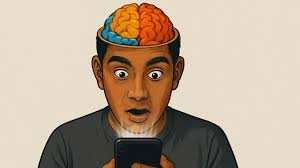
Short videos, tweets, and posts that get people’s attention immediately away have taken over social media. This alteration is having a big impact on how we think, how long we can focus, and even how we make choices.
The Rise of Short-Form Dominance
Platforms like TikTok, Instagram Reels, and YouTube Shorts have made short-form content the overwhelming winner in digital media. People now spend most of their time on these apps watching films that are less than a minute long. People scan through thousands of short clips every day. This method focuses on speedy consumption by breaking down complex ideas into catchy hooks and loops.
The appeal is how nicely it works. People get dopamine hits from short-form information because it gives them instant rewards, which makes them want to keep scrolling. The world is full with information, which is why this is the case. Creators want algorithms that favor high engagement rates right away. This starts a feedback loop where being short is better than being deep. Because of this, it’s hard for people to see extended articles and movies, which is making even traditional media alter.
Effects on Attention Spans in the Brain
The lack of long-term attention is one of the effects that people talk about the most. If you are always exposed to brief bursts, your brain learns to seek new things instead of paying attention to what you are doing. Reports suggest that the average person’s attention span has gone down from 12 seconds in 2000 to only 8 seconds currently, which is lower than a goldfish’s.
People often call this “TikTok brain” since it makes it hard to focus on things that take a long time, like reading a book or going to a whole lecture. Neurologists argue that changing contexts a lot disrupts the brain circuits that are responsible for deep processing. Users don’t fully comprehend; instead, they get a patchwork of shallow information by skimming the surface instead of delving deep.
Being restless while reading for a long time is one of the key indicators.
A stronger preference for visual input than for text input.
Doing more than one thing at a time all the time, which slows down each task.
Memory and retention changes
Short-form content is fantastic for remembering things since it combines repetition and emotional triggers, but it’s not as good for remembering things for a long period. Working memory can keep hold of interesting sights and phrases, but it’s challenging to transmit them to long-term storage since they don’t have a story framework. Studies show that people remember 20–30% less from 15-second clips than from identical long-form content.
This alteration makes episodic memory more crucial than semantic memory. People remember viral things like memes or dancing trends, but they have a hard time remembering the details of what happened. This means that when it comes to learning, you should watch “edutainment” videos before you do serious study. Now, educational platforms use this strategy by splitting up lectures into smaller groups. This makes people more engaged at initially, but it could also lead to a shallow knowledge.
Effect on How Choices Are Made
Like people do in real life when they don’t have much time, rapid content trains make quick decisions. Users decide whether to like, share, or follow in less than a second, based on their gut feelings rather than their brains. This can help you make quick decisions when things change, but it makes it harder for you to consider deeply.
People buy stuff on the spot when they see short commercials because they have too many options. After reading a long review, people are less inclined to buy anything than after seeing a 15-second evaluation. The growth of unboxing videos makes this evident. Politically, viral videos make soundbites louder and shift people’s ideas without any nuance, which makes echo chambers that are already divided even more so.
Changes in society and culture
Anyone may develop short-form material, and novices can compete with professionals by editing their videos on their smartphones. This fills culture with trends that people create, which makes fads go from being on the fringes to being very mainstream very quickly. But it makes expression less original since algorithms like hooks in three seconds, cliffhangers, and calls to action make content more predictable.
Creativity changes throughout time. “Story cores” are brief, snappy arcs that help make fresh micro-narratives out of stories. But critics believe that this makes it hard for people to enjoy more complex types of art, like novels or films, which take time. Younger people and digital natives think it’s normal, while long-form is considered as old-fashioned.
Short-form links use pictures to connect people from diverse cultures, which makes it easier for them to talk to each other. When actions or dances transcend beyond words, dubbing or subtitles don’t help anymore. But it might still transform cultures into stereotypes just to get more views.
Changes in School
More and more classrooms are using short-form practices. Teachers use TikTok-style movies to get students engaged, while sites like Khan Academy give brief lectures. Engagement increases—completion rates rise by 40%—yet mastery remains deficient as students overlook interconnected themes.
Some good things about this method are that it is easy for many types of learners to use, it starts with simple knowledge and builds on it, and it shows how individuals use information in real life. One issue is that youngsters can do well on trivia but not so well on synthesis when their knowledge graphs are broken up. Experts say that hybrid models that start with short introductions and subsequently move into deeper detail are best.
Things to think about for your mental health
Short-form feeds, like slot machines, offer rotating rewards to keep users interested. Gen Z spends more than 7 hours a day on their devices, and a lot of them claim they are anxious because they don’t want to miss out. Blue light and scrolling all the time make it hard to sleep and much harder to focus.
On the plus side, it gives folks a way to get away and feel like they belong. Creators of mental health content give millions of individuals easy tips on how to deal with challenges. But influencers can’t handle the pressure to generate viral content, and it causes them burn out. Platforms test out wellness features like limiting scrolling, but not many users utilize them.
Counterarguments and Balance
Some opinions are good for short-form. People who support it claim it helps people learn new skills like curation, synthesis, and multimedia literacy. When there is a lot of information, it’s crucial to tell the difference between signal and noise.
Hybrid consumption rises—shorts as a method to get to the bottom. Apps like TikTok are adding tabs for longer videos, which means they are changing, not going away.
Ways to deal with and adapt to problems People use “attention training” to fight the effects. Pomodoro sessions help you get your focus back, digital detoxes keep you from scrolling forever, and mindful eating makes you think about where your food comes from.
Creators balance formats by connecting short pieces to longer ones. Platforms might utilize algorithms to encourage depth and reward high-quality involvement.
Effects on society as a whole
Short-form speeds up the pace of culture, where ideas can live or die in a matter of days. Trends can start new firms overnight, but innovation moves faster, which can cause misinformation to spread quickly. Fact-checkers race to corroborate assertions that become viral, but most of the time they don’t work.
Leaders run TikTok campaigns, as we’ve seen in recent elections. People learn about policy through dances, not talks, which makes democracy more of a show.
It offers gig producers more power in new locations where there are more smartphones than PCs. India’s short-video sector, which will be valued $2 billion in 2025, is a good illustration of this.
Paths Ahead
By 2030, expect augmented reality shorts to show glimpses of the real world. This will make it much tougher to identify the difference between digital and physical reality. AI will produce personalized clips by changing micro-narratives to fit people’s routines.
Optimists see a new start: short forms that make people want to learn more. People who are pessimistic argue that a “thoughtless society” is approaching, where depth goes away.
As regulation becomes more likely, governments are looking exploring ways to control addiction, such as China’s time limits. Tech corporations claim they don’t want to do that because it will hinder free expression.
How short-form material is affecting the way we think