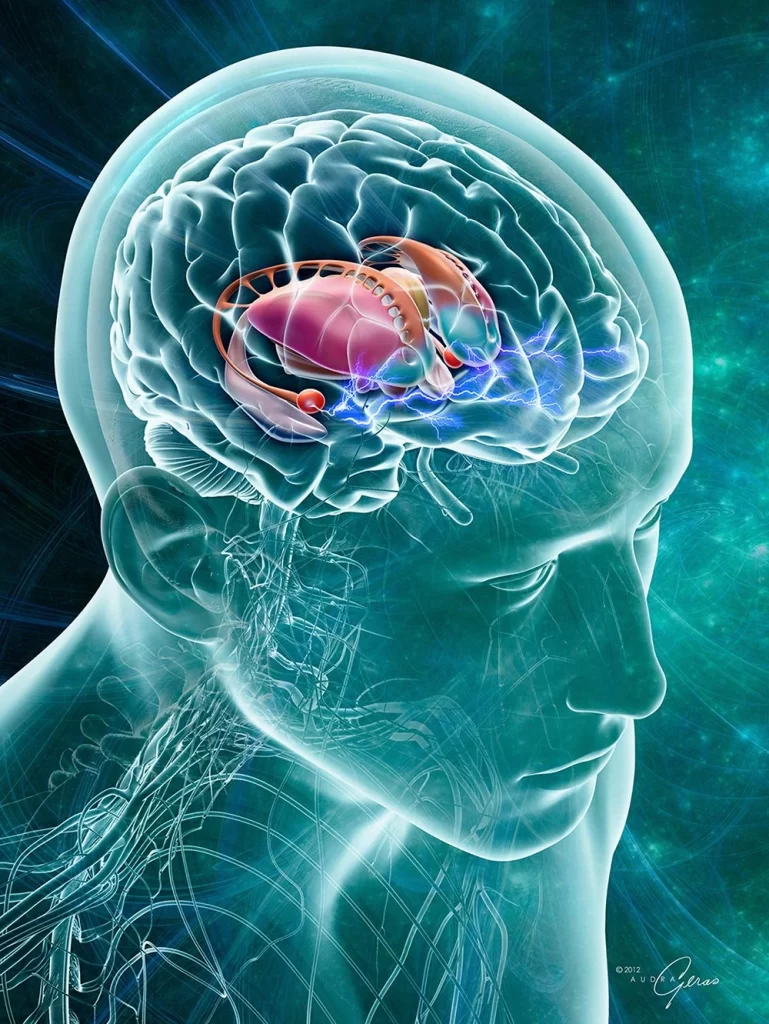
Neuroscience research that breaks new ground indicates that loneliness really does impact the brain. This is true even if internet connections are omnipresent and individuals feel more alone. It’s not simply an emotion; chronic loneliness alters the brain’s structure and function in ways that can be studied. Studies show that it boosts stress hormones like cortisol and alters parts of the brain that are critical for controlling emotions, thinking, and social processing. These changes not only make people more likely to get melancholy, but they also speed up cognitive decline, which could lead to dementia. This finding has to be looked into straight away since remote work, urban anonymity, and developments that have happened since the outbreak have made people more alone. Learning how long-term loneliness elevates stress hormones and affects the brain’s circuits could change how public health works all around the world.
What Science Says About How Being Alone Affects the Brain
Neuroscientists have long assumed that being alone would be bad for your health, but new imaging studies confirm this for sure. Functional magnetic resonance imaging (fMRI) scans show that the amygdala, which controls fear and emotion, is bigger when you are alone for a long time. Dr. Naomi Eisenberger was in charge of a huge study at the University of California that looked at more than 1,000 participants. They discovered that participants who said they were really lonely had 15–20% more activity in their amygdala during stress tests than people who were socially connected.
When you’re alone for a long period, your stress hormones, including cortisol and adrenaline, go up, which makes you hyper. The hypothalamic-pituitary-adrenal (HPA) axis, which controls how the body reacts to stress, stays in overdrive when you’re by yourself.Cortisol fills the brain and reduces the hippocampus, which is a portion of the brain that is particularly crucial for memory. Eventually, this leads to atrophy, which is what happens to people who are older or have been under a lot of stress. Experts claim that these changes happen in a matter of months, not years, after living alone for a long time.
Loneliness also messes up the default mode network (DMN), which is a group of brain areas that are active when you think about yourself and other people. When the DMN connection is broken, people who are alone tend to ruminate, which means they focus on unpleasant thoughts and feel worse.
Long-Term Isolation Affects Important Parts of the Brain
To get a sense of how deep these alterations go, consider about the primary brain areas. The amygdala is too active, which makes people more sensitive of threats and initiates a cycle of withdrawal. Cortisol can shrink the hippocampus by up to 10% of its volume in those who are chronically lonely. This makes it difficult for them to recall things and learn new things. The prefrontal cortex (PFC) is thinner when you’re lonely. This is vital for controlling your impulses and doing things that need to be done. This makes it harder to feel empathy and make choices. Finally, the insula, which is a part of the brain that processes sensory information, becomes hypersensitive when someone is emotionally isolated, making physical suffering greater. This is why loneliness often seems like physical pain.
A 2024 meta-analysis in Nature Neuroscience looked at data from 50 research around the world and found that these patterns were true for all categories of people. People between the ages of 18 and 80 went through constant changes. Middle-aged adults were the most affected since they were going through major life events like moving out of their parents’ house or changing careers.
The Cortisol Cascade: How Stress Hormones Change the Structure of Neurons
Being alone for a long time elevates stress hormones at the molecular level, which sets off a chain reaction that makes neurons less strong. Cortisol levels that are too high bind to receptors in the hippocampus, which prevents neurogenesis, or the creation of new neurons. Animal studies, such as isolated prairie voles, mirror human research: after weeks of isolation, their brains show a 30% decrease in neural connections inside reward centers.
This leads to diminished dopamine responses in humans, hence decreasing the pleasure associated with social interactions. A Yale University research of 500 seniors found that lonely people had 25% less dopamine receptors, which is similar to what happens when someone stops using drugs. People are alone because they don’t have enough dopamine, which means their brains don’t want to socialize.
Inflammation is another thing that matters. Interleukin-6 (IL-6) is an example of a pro-inflammatory cytokine that can cross the blood-brain barrier and activate microglia. Loneliness raises the levels of these cytokines. These immune cells can cut back on healthy synapses when they are too active. Long-term exposure generates an environment that causes inflammation in the brain, which speeds up the loss of gray matter.
Higher Risks: From Depression to Dementia
These changes in the brain make it much more likely that you may have depression or dementia. Meta-analyses indicate that prolonged loneliness increases the likelihood of depression by 26–32%, equating its detrimental effects to those of smoking or obesity. When the amygdala and subgenual cingulate are both active at the same time, it keeps the feeling of hopelessness going in lonely, sad minds.
Dementia is very serious. The Lancet Commission argues that loneliness is one of the most changeable dangers and causes more than 500,000 deaths a year around the world. The English Longitudinal Study of Ageing (ELSA) tracked 10,000 people for 12 years and showed that people who were lonely were 50% more likely to have dementia, no matter what their genes or lifestyle were. Hippocampal atrophy happens years before mild cognitive impairment, which is an early sign.
Groups of younger people aren’t safe either. In 2025, the World Health Organization (WHO) published a document that talked about “social recession” among Gen Z and millennials. It added that changes in the brain caused by loneliness can begin as early as the 20s and may shorten healthy lifespans by 5 to 10 years.
The social factors that cause the loneliness epidemic
Why now? People feel increasingly alone since they live in cities, depend on cellphones, and are under a lot of financial stress. According to the CDC, 36% of individuals in the U.S. say they are very lonely. The National Sample Survey Office says that in India’s cities, like Mumbai, the number is substantially higher, at around 40%.
According to a 2023 JAMA Psychiatry paper, the COVID-19 epidemic made this worse. Lockdowns around the world caused loneliness to soar by 20–30%. People are still working from home, but hybrid models make it less likely that people will run into each other by chance. Social media makes things worse, which is funny. Endless scrolling activates the same reward pathways as gambling, but it also makes users feel more alone by making them compare themselves to others and feel jealous.
There are very apparent demographic weaknesses. One in three persons over 65 live alone, which makes them twice as likely to get dementia. Half of college students say they feel lonely, which is linked to PFC underdevelopment. People who are LGBTQ+ or who work for low pay, for example, are 1.5 to 2 times more likely to feel alone.
Expert Advice and New Ways to Help
People in control are asking for action. “Loneliness is a public health crisis that kills as many people as obesity,” said Dr. Julianne Holt-Lunstad of Brigham Young University. Her research shows that those who are alone die 26% faster.
Therapeutic frontiers ignite hope. Cognitive behavioral therapy (CBT) for loneliness improves DMN balance, lowering amygdala activation by 18% in studies.Oxytocin nasal sprays may be a good approach to make social bonding circuits work better.
The best are community interventions. The U.K.’s “Campaign to End Loneliness” and similar organizations connect lonely seniors with volunteers. This inhibits the hippocampus from shrinking for six months. AI companions and other digital tools can help for a while, but they can’t fully replace human touch. When skin touches skin, endorphins are released, which modulates the levels of stress hormones.
There will be changes to the rules: The California Surgeon General’s 2024 guideline says that doctors and nurses must look for loneliness. India’s Ayushman Bharat program includes social prescribing.
Recent studies indicate that loneliness significantly impacts the brain.