The amount of carbon dioxide in the air has reached levels that haven’t been seen in at least 2 million years. This is a big change in the history of Earth’s climate. This worrying trend reveals how much people change the Earth’s atmosphere, which has a huge impact on weather, ecosystems, and cultures all around the world.
What the Historic Milestone Stands For
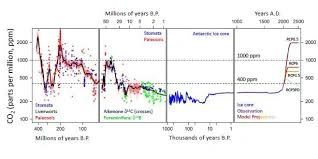
Scientists have shown that the amount of CO2 in the air now is higher than it was roughly 3 million years ago, when it was around 400 parts per million during the mid-Pliocene period. Recent data from monitoring locations throughout the world show that CO2 levels are always above 420 ppm. This is a level that has never been seen before in human history or in deep geological records. People are the main source of this rise. Things like burning fossil fuels, cutting down trees, and industrial activities that release stored carbon into the air are all examples.
It’s not just the numbers that matter; it’s also how quickly they are changing. Changes in nature happen over millions of years, yet in less than 200 years, carbon dioxide levels in the air have risen by more than 50% since the Industrial Revolution. Ice cores, sediment samples, and preserved plant stomata from the past demonstrate that these kinds of highs last happened when sea levels were higher and temperatures were warmer than they are now.
What Made the CO2 Spike
Fossil fuels are still the main threat because they have caused most of the emissions since the 1980s. Coal-fired power plants, gasoline-powered autos, and natural gas production all put billions of tons of CO2 into the air every year. Cutting down trees makes this worse since it removes places where carbon can be stored. For instance, tropical rainforests take in a lot of pollutants from around the world, but they have lost a lot of cover in the previous few decades.
Making cement and other industrial processes are a large part of the problem because they naturally emit CO2. Methane leaks from farms and landfills make things worse since they turn into CO2 when they oxidize. Feedback loops make the rise stronger: when permafrost thaws, it releases ancient carbon, and when oceans get warmer, they take in less CO2.
The main sources of emissions include the energy sector, transportation, and industry, as well as changes in how land is used.
These data indicate how closely pollution and economic growth are linked, especially in developing countries.
Lessons and Comparisons from Paleoclimate
To learn about the ancient atmosphere, scientists look at things like isotopes in ocean sediments and compounds in old algae. During the Pliocene, when CO2 levels were close to what they are now, ice sheets partially melted. This made the sea level rise and flooded coastal areas that are now quite populous. Today’s fast growth is not usual for geology, unlike slow natural cycles.
The last time there was a peak like this was when it was warmer and there were a lot of various kinds of life, but there weren’t any buildings made by modern humans. The demise of rainforests or the release of methane from frozen soils could be tipping moments that happen right now.
Things that are happening right now that affect the whole world
When there is more carbon dioxide in the air, the water becomes more acidic. This hurts coral reefs and the food chains in the ocean. Extreme weather is growing worse. In the last few years, there have been record-breaking heat waves, floods, and storms that are getting stronger because the waters are getting warmer. Farmers are getting less food from their main crops, and animals are having a hard time adapting, which is bad for biodiversity.
It’s harmful for people’s health when more individuals get sick from the heat and spread infections. Unchecked growth is bad for the world’s economy, especially in places that are prone to coastal flooding.
International Efforts and Policy Responses
The goal of global agreements is to keep warming to a minimal and reach net-zero emissions by the middle of the century. But promises often don’t come through. Some places implement carbon pricing, and others move to energy sources that don’t run out. Major economies are trying to find a balance between expansion and the rise of renewable energy. Carbon removal methods are growing more popular since plants store thousands of tons of carbon each year.
Some of the obstacles are political issues and requests for help with the transition from developing countries. Recent meetings have granted money to help with damage caused by climate change.
New tools that help fight CO2
Solar energy is getting cheaper, and more and more people are choosing renewable energy sources for new energy installations. Electric cars make mobility less polluting, and reforestation and other nature-based solutions offer a lot of potential to store carbon. Better batteries, the possibility of fusion power, and government incentives are all making progress happen faster.
There are many good ways to do this, such as planting a lot of trees, using biochar in soils, and speeding up the natural weathering of rocks to soak up CO2.
Voices from Experts and People Who Are Affected
Climate scientists that study important data underscore how little we know about the current rates. There is a chance of overshoot based on paleoclimate indications. People who live on the front lines and campaigners talk about real losses and urge for genuine cuts in emissions instead of making hollow promises.
How to keep going
We need to transition to more renewable energy sources and cut down on pollution soon if we want to reach our climate targets. This is happening because of the choices people make, the promises firms make, and the fact that more money is flowing into clean technology.
Consequences for Additional Individuals
A new geological age starts when there is 2 million years’ worth of carbon dioxide in the air. It’s a good sign that emissions are staying the same in some areas. With new ideas and working together, things can still get better. This will turn risks into chances for long-term success.
The amount of CO2 in the air is at its highest level ever, more than it has been in 2 million years.