The climate situation is becoming worse, which is why this is happening.Global warming is causing difficulties for people and the environment that have never happened before.
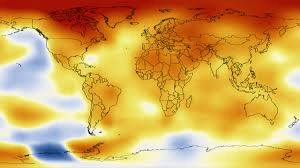
The best climate research groups in the world say that the Earth’s climate system has crossed a very crucial line. The world is currently more than 1.1 degrees Celsius warmer than it was before people lived on it. This terrifying number is more than just a number; it illustrates that the climate problem is becoming worse and is hurting ecosystems, weather patterns, and human civilization on every continent. Because the temperature is rising, it’s even more crucial to act swiftly to cut down on greenhouse gas emissions and get ready for a world that is changing quickly. This is because politicians, scientists, and people all across the world are dealing with the worsening repercussions of climate change.
The temperature rose by 1.1°C between 1850 and 1900, which was the time period used as a baseline. A lot of this has happened in the last hundred years, and since the 1980s, things have been getting even faster. People’s actions, including burning fossil fuels, cutting down forests, and running factories that send out carbon dioxide, methane, and other greenhouse gases into the air, are definitely linked to this trend. The scientific consensus on anthropogenic climate change has attained unparalleled robustness. There is a lot of proof that natural climate change can’t explain the warming patterns we see presently.# Records for temperatures that have never been broken before
There has been a troubling pattern of record-breaking temperatures in the last few years that demonstrate how bad global warming is getting. Some of the hottest years in contemporary meteorological history have occured in the last ten years. The temperature swings are getting stranger and stranger. The World Meteorological Organization claims that the last eight years have been the hottest since the middle of the 1800s, when people started taking regular temperature readings.
Parts of the world haven’t all warmed up at the same rate. The Arctic is rising about twice as quickly as the rest of the world. People call this Arctic amplification. The ice sheets have melted, the permafrost has thawed, and the sea ice has gotten a lot smaller because the temperature has gone up unevenly in the polar regions. These changes have repercussions that are felt all across the world, not only in the Arctic. They change how the oceans travel around the earth, how the jet streams move through the air, and how the weather affects individuals who live thousands of kilometers away.
Land surfaces have generally warmed up faster than ocean areas, although marine heat waves have become more often and linger longer. The temperatures in the ocean have never been higher. This is terrible for coral reefs, marine ecosystems, and fisheries that feed millions of people across the world. The melting of glaciers and ice sheets and the thermal expansion of warmer waters are two of the main reasons why sea levels are increasing. People who live on the shore and in low-lying island nations will not like this.# Environmental Effects that Have a Ripple Effect on Ecosystems
The 1.1°C rise in temperature has set off a chain reaction of changes in the environment that are having a tremendous influence on the balance of the planet’s ecosystems. Weather events that are very bad are happening more and more regularly. They include record-breaking heat waves, devastating floods, droughts that persist a long time, and massive wildfires. These climate change-related disasters have killed thousands of people, forced millions to abandon their homes, and cost hundreds of billions of dollars in damage to the economies of both rich and poor countries.
Biodiversity is at risk because species are having a hard time adjusting to changes in the environment that happen quickly. Animals and plants are going to new places to find better homes, but they often have troubles because people are often moving in and out of those places. Coral bleaching is happening more often and generating greater damage, which is detrimental for the ecosystems of reefs. There are a lot of different kinds of marine life that reside in these habitats, which are highly vital for people who live on the shore. Because ecosystems that depend on ice are breaking down, polar bears, penguins, and many other creatures are losing their homes and their numbers are getting smaller.
Farmers all around the world are having a harder time because of changes in the weather, such less rain, colder temperatures, and shorter growing seasons. As climate zones move closer to the poles and higher up, old farming systems that have worked for thousands of years are becoming less reliable. As crop yields grow less stable and harder to predict, people are more worried about food security. This is especially true in places where there are existing challenges with water shortages and the economy.# Climate change is making life harder and harder for people.
Higher temperatures around the world have consequences on many parts of society, both socially and economically. Because of wildfires and changing weather patterns, the air quality is getting worse. This is putting more and more strain on public health services. Extreme temperatures can be quite dangerous for anyone who are already weak, like the elderly, children, outdoor workers, and communities who don’t have enough supplies.
Water supplies are being more and more stressed as glaciers melt quicker, the snowpack is smaller, and the weather patterns that bring rain and snow become less predictable. The glaciers in the Himalayas are progressively melting and losing their frozen water. This will make it hard for the big rivers that depend on them to stay stable over time. Because communities pump aquifers harder to make up for the shortage of surface water during long dry spells, many areas are losing groundwater quicker.
More than half of the world’s residents live in cities, where the heat island effect is stronger. This signifies that the temperature is greater than usual for the area. Floods can happen when it rains a lot, heat stress can happen when it stays hot for a long time, and harsh weather can destroy buildings and other infrastructure. All of these things can happen in cities. Many of the buildings were made to last through bad weather, so they need a lot of repair to be safe and useful again.# Economic Effects Change the Money World
Going above the 1.1°C warming limit has large and getting negative repercussions on the economy. Climate change has created a lot of disasters that have cost insurance companies a lot of money. This has made things very unpleasant for businesses and caused those who own property in unsafe areas pay extra for insurance. In some places, it’s practically impossible to receive insurance for certain weather-related hazards. This makes it simpler for businesses, homeowners, and governments to lose money.
Energy systems all over the world are being pushed to lower carbon emissions while still providing power that is reliable and satisfying the growing demand. Changing from fossil fuels to renewable energy sources is a big economic challenge and a once-in-a-lifetime chance to invest. Solar, wind, and other renewable energy sources have come a long way in terms of lowering costs and improving performance. But they are still not being used quickly enough to benefit the climate.
Extreme weather, pest outbreaks, and changes in the weather that make it less good for farming have all produced a lot of problems for farming areas and made food prices go up and down a lot. Climate change has generated problems in the supply chain that have spread through global trade, hurting businesses that are far distant from where the disasters happened. As the weather grows worse, tourist sites that depend on snow, coral reefs, or consistent weather patterns will have a lot of trouble with their business models.# The standards aren’t met by international climate action
People all throughout the world know about the climate emergency, yet greenhouse gas emissions haven’t dropped quickly enough to keep temperatures below the limits set by the world. The Paris Agreement said that the temperature of the entire planet should not rise more than 2°C from what it was before the Industrial Revolution. The goal was to keep it at 1.5 degrees Celsius. These targets are far different from what is currently happening with emissions and what countries have promised to do about climate change. If things stay the same, the temperature will probably rise to 2.5°C or higher by the end of the century.
The average temperature on Earth is currently more than 1.1°C higher than it was before mankind started burning fossil fuels.