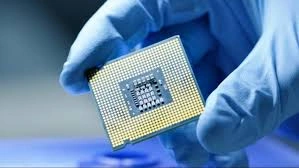
This goal will change Pune from an IT hub to an AI hub. For a long time, Pune has been the greatest place in India for IT. It is going through a lot of changes right now as it moves toward new technologies like semiconductors and AI. The India Semiconductor Mission 2.0 (ISM 2.0) is run by local startups that are coming up with new concepts. New Content Creator Labs at universities in Maharashtra will assist prepare the next generation of tech workers.
How Pune went from creating software to making semiconductors
Pune’s IT scene has had a number of software services for a long time. Infosys and TCS are two huge companies that hire a lot of people. But now, companies in the area are swiftly moving into industries that need a lot of tools, such making semiconductors and circuits for AI. ISM 2.0 wants the electronics industry to be able to support itself. The government wants ISM 2.0 to help with this shift by granting billions of dollars to design centers, research and development institutes, and fab facilities. By 2030, Pune would be one of the most important places in India for making $100 billion worth of semiconductors. The government is giving money to businesses in the area. They are using what they know about software and new technology to design circuits that function best with AI. These circuits can do a lot more than just manufacture cars that drive themselves and make cities smarter.
The city can flourish since it has COEP and IITM (two of the best engineering schools in the world), a burgeoning venture capital company, and is close to Mumbai’s financial center. Startups in Pune are not only getting involved, but they are also leading the way by building their own AI accelerators. This implies they don’t have to buy as many things from the US and Taiwan. Pune needs to change because it is becoming a center for AI, where software and hardware interact together in important ways. It used to be a facility where IT services were done.
A Lot of People Are Talking About the Semiconductor Pioneers in Pune
AIChip Innovations and NanoSemicon Labs, both situated in Pune, are leading the way in this transformation. They are coming up with new ways to fabricate semiconductors in India with ISM 2.0. NanoSemicon Labs manufactures AI processors that are 7nm wide for edge computing. The company was formed by people who went to IIT. They got ₹500 crore from the ISM 2.0 design-linked reward plan. The NS-Edge AI Core, their core semiconductor, uses 40% less power than equivalent CPUs developed in other countries. Because of this, a lot of people in Pune need electric cars right now. AIChip Innovations is also working with local foundries to build test versions of Gallium Nitride (GaN) chips. These are highly critical for networks and systems that use sustainable energy and 5G.
A lot of exciting things have been going on with Pune startups, such as:
- In the last three months of 2025, NanoSemicon Labs will be the first Indian business to make a prototype of a 5nm AI processor.
- AIChip Innovations: They completed a test run with Tata Electronics that will grow to 50,000 units a month.
- MeitY told Pune Quantum Tech that they might establish a separate building for research and development as part of ISM 2.0.
This company is growing because of venues like Pune Tech Park and Venture Center, which assist new firms get off the ground. It’s straightforward to use their IP protection and cleanroom testing methods.
ISM 2.0: What Will Help the Semiconductor Industry in Pune Grow
Content Creator Labs: Making New Tech Accessible to Everyone
More than 50 colleges in Maharashtra are putting up Content Creator Labs (CCLs). Two of them are Fergusson College and Symbiosis in Pune. A lot has changed in the state’s tech industry. The state budget had money for these labs in 2026. They teach students how to use AI to produce things, how to model semiconductors, and how to make computer program prototypes. They mix the arts with the latest technology. CCLs began with ₹100 crore. They want to teach 10,000 youngsters a year how to use open-source EDA tools to look at circuits and make AI that can make things.
The first CCL in the College of Engineering Pune uses the ISM 2.0 curriculum. This allows students make their own ASICs for short films, other things, and multimedia platforms. The program helps with the lack of trained labor by educating individuals how to make silicon and use AI algorithms. Early pilots say that prototype cycles are 30% faster, and local business owners are already employing students to work for them. One way to retain Pune as a center for AI is to add CCLs to schools in Maharashtra.This connects cleanrooms and campuses immediately away.
CCL Features in Colleges in Pune:
High-end GPUs for teaching AI and generating semiconductor models.
With ISM 2.0, you may obtain real-world experience by collaborating with business owners.
The main goal is to have 40% of the students be women, and the main focus is on innovation led by women.
These labs illustrate that Pune is a terrific place for everyone to live and will only get better. They achieve this by mixing math, science, technology, and engineering with the arts.
What it does to the planet and the economy
Pune is making money in innovative ways because to modern technology. Semiconductors should account for around 20% of the city’s GDP by 2030. Right now, they only make up 5%. Real estate in Hinjewadi and Kharadi is doing very well since semiconductor parks have brought in ₹10,000 crore in investments. Some jobs pay well, such VLSI designers who make an average of ₹25 lakh, while others don’t require as much ability, like mid-level fab workers. This is why people don’t move to Bangalore and Hyderabad.
People trust you more when you work with huge tech businesses like TSMC and Applied Materials. According to ISM 2.0’s export rules, Pune is a great place to get a slice of the $1 trillion global semi business. Startups want green fabs that keep all the liquids inside. This is a great fit for Maharashtra’s ambitions for long-term prosperity. CCLs and other programs like it help make access more fair by giving smart people who live in the country money to go to school.
Problems and Smart Ways to Fix Them
Things can look good, but there are still problems. Fabs have high capital expenses, which might be more than ₹50,000 crore. You can’t buy anything with this. But the money for the viability gap in ISM 2.0 is helpful. There are problems all throughout the world, including a trade war between the US and China. This means that supply chains need to be able to change. Pune business owners are achieving this by doing deals with Japan. Not having enough skilled workers is a problem that can be solved by programs that educate individuals new skills. For example, 20,000 engineers will learn in 2025.
The weather in Pune is always changing. For example, businesses join clubs to exchange testing equipment, and schools start teaching kids about semiconductors. ISM 2.0 makes it easier for businesses to get permission to follow environmental rules and other regulations more quickly.
The world around us and how we could not be the same
India’s ISM 2.0 puts Pune in the semifinals against Vietnam and Malaysia since it costs less and has workers that can speak English. Pune is distinct since it is all about AI. Chips that function well with vernacular language models are getting more and more popular in India. Company owners in Pune want to work with Nvidia and Qualcomm since the need for AI is growing around the world and is expected to grow by 30% every year.
In short, ISM 2.0 and new businesses have changed Pune from an IT hub to an AI hotspot. This marks the beginning of a new era for Indian IT. The city is getting ready to be the best place for AI chips. This will help people rely less on others and be beneficial for the economy. Content Creator Labs has already helped people on campus come up with new ideas. Pune is a great example of how growth in one part of the country can help the whole country. The city is getting more money and smart people, which will make the future better and more chip-powered.